Tokyo / Guide
Akihabara: Start in the Building Still Called Radio
Akihabara秋葉原
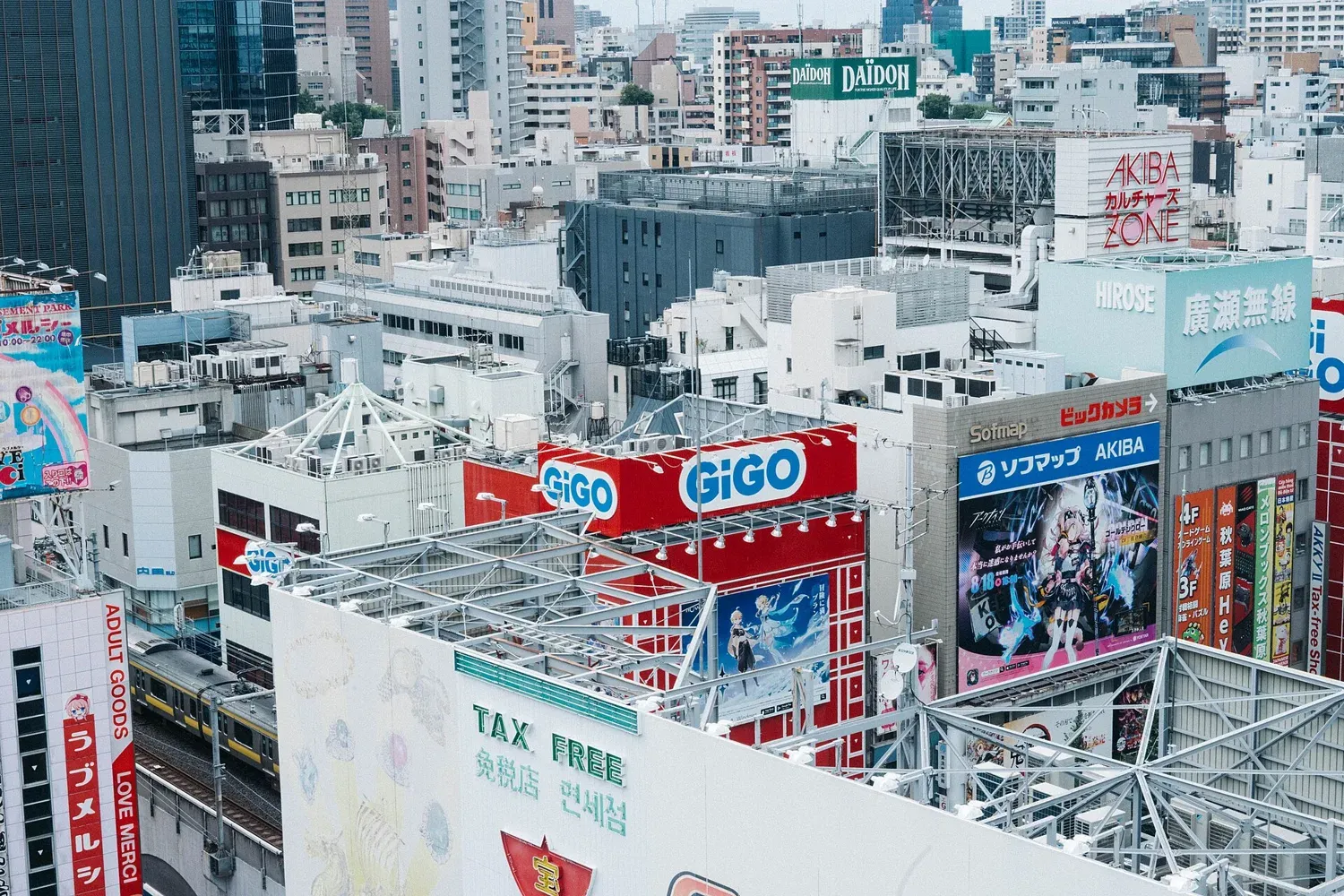
If you came to Akihabara for figures, start in Radio Kaikan, the tall building facing the Electric Town exit. It still carries the word “radio” in its name, and it began in 1950 as a wooden “Radio Hall”. Today dolls, trading cards and model kits share the building with a parts shop selling vacuum tubes and transistors. Before you leave Akihabara, cross to the Tokyo Radio Department Store beside the elevated Sobu Line, where small shops still sell the parts this town was built on.
I like that the figures moved in and nobody changed the name.
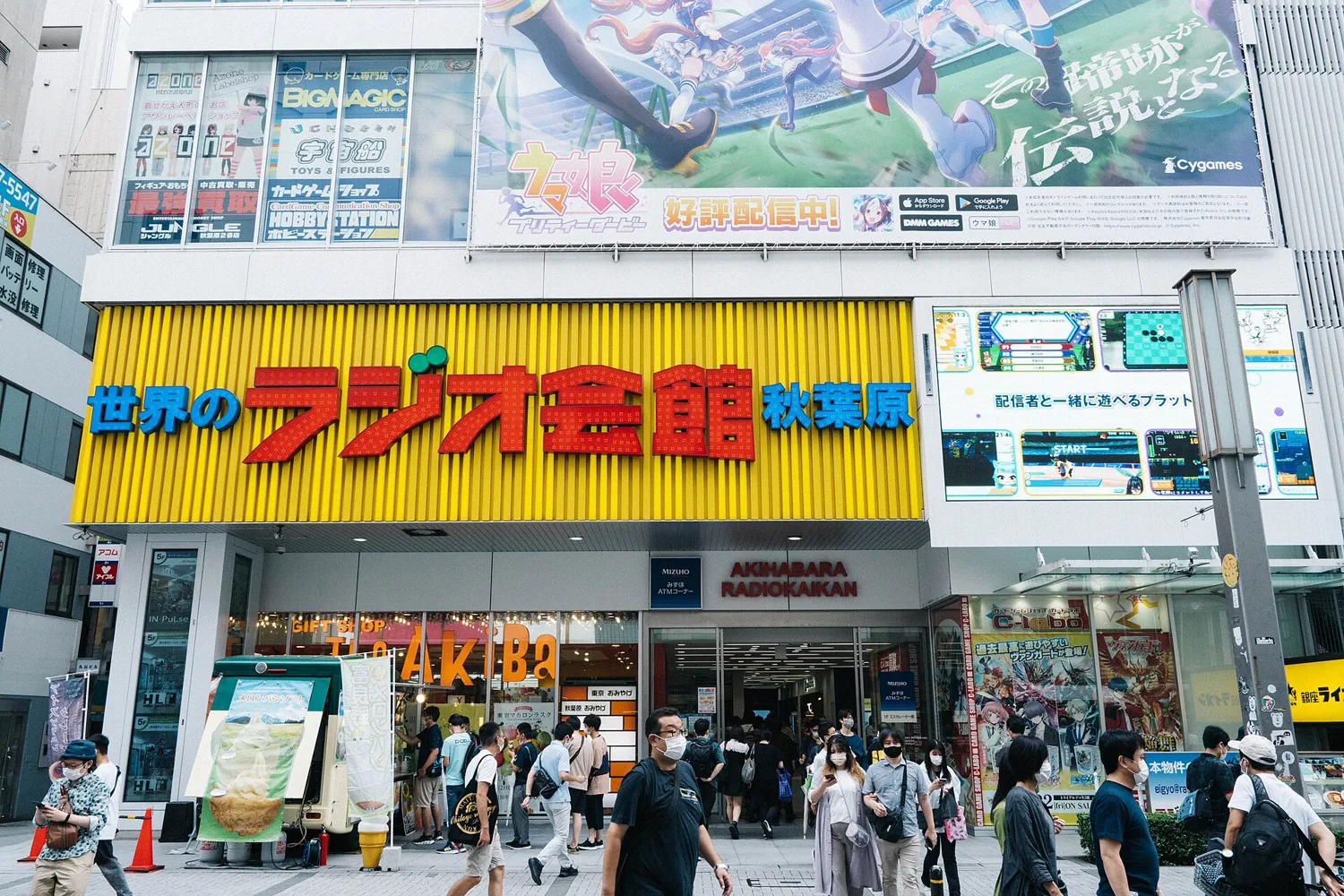
Radio Kaikan: choose your floors
Radio Kaikan’s own history names the arrival of Kaiyodo, Volks and K-BOOKS as the turning point, the start of Akihabara becoming a town of figures. You do not need to see every floor. Pick by what you love, and go from the top down.
- Figures. Go to the fifth floor first. Picture glass cases of sculpted figures at Kaiyodo Hobby Lobby Tokyo, the sculpting company’s own shop, with products from its Revoltech and Capsule Q lines; Uchusen on the same floor sells die-cast robots, hero figures, military figures and imported toys.
- Dolls. Compare three shops. Volks has Dollfie Dream dolls on what it describes as one of the world’s largest DD floors. Downstairs, DOLK lines a small shop with glass cases holding about 150 dolls, and Azone’s own shop runs from tiny dolls up to large ones.
- Cards. If you play, bring your deck. BIG MAGIC has a duel space, so the shop is a place to play as well as to buy, and Trading Card Park offers a duel space anyone can use free.
- Model kits. Volks’s hobby shop, on the same floor as its dolls, has planes, warships, tanks, model trains, and a space to test-fire the airsoft guns it sells. Yellow Submarine, a self-styled “palace of hobbies”, adds figures, board games and cards.
- Anime goods and doujinshi. Browse AmiAmi, then K-BOOKS, where character goods, voice-actor merchandise and doujinshi share one floor.
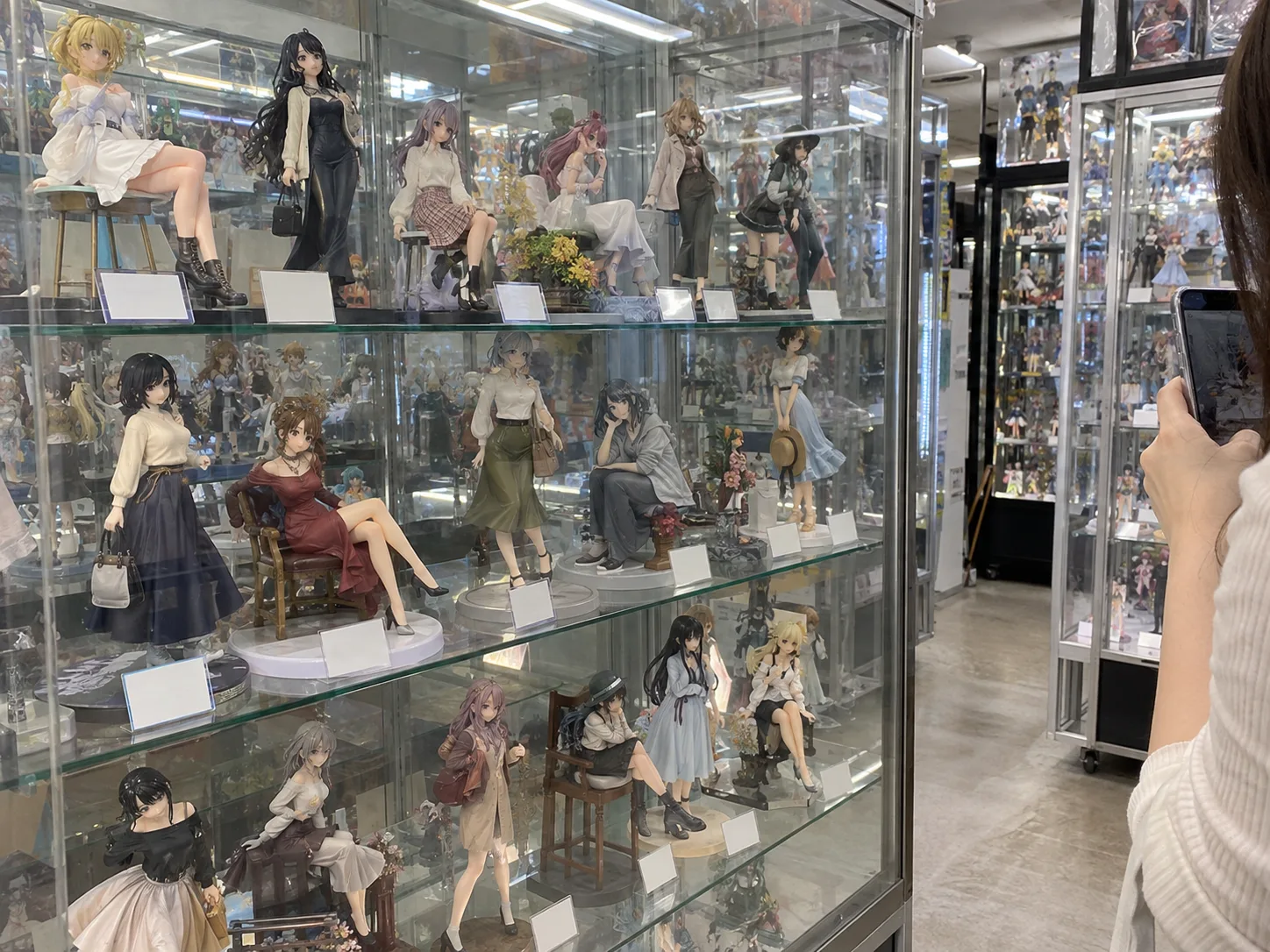
Whatever you pick, pass through the fifth floor. On the same level as Kaiyodo’s figures is Wakamatsu Tsusho, an electronic-parts shop with transistors, resistors, capacitors and vacuum tubes. That floor is the reason I would start here.
Capsule toys, retro games and arcades
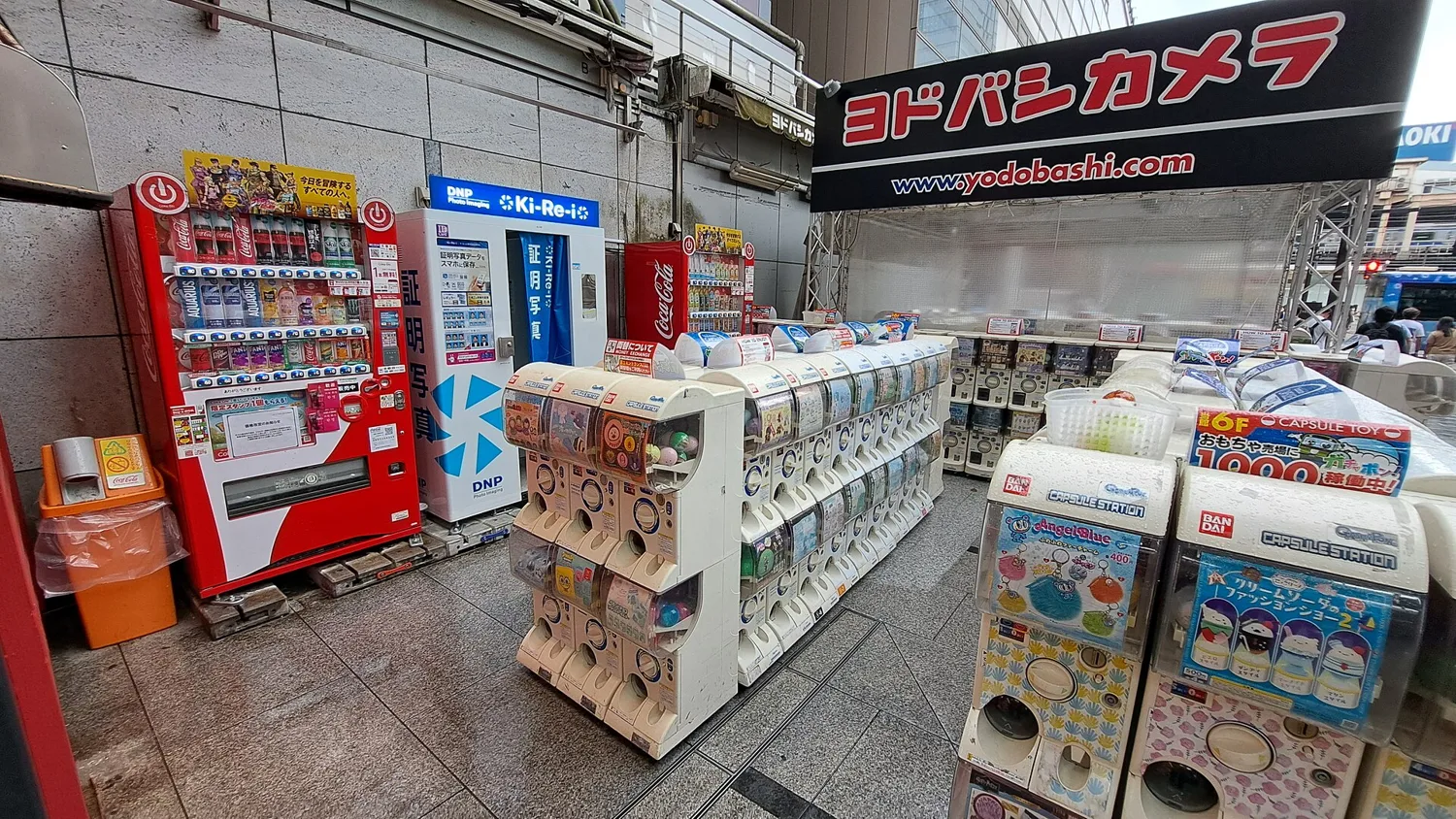
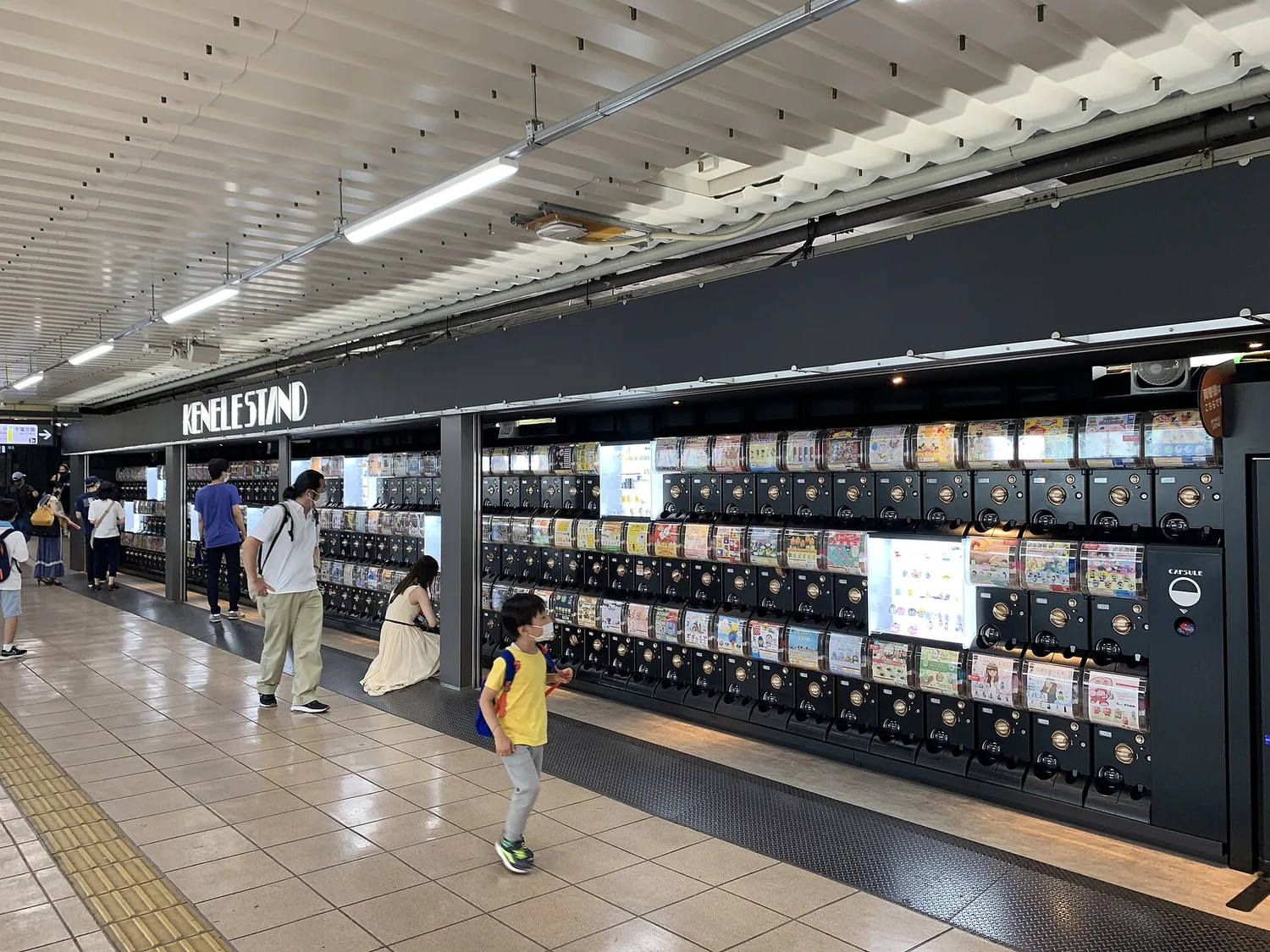
Akihabara Gachapon Kaikan posts a monthly list of the capsule toys it has coming in, and the list is worth reading before you go. One recent month brought a coin purse from the picture book Kobito Dukan, a JR East train-themed pass holder, character stickers from Chiikawa, an assortment from The Apothecary Diaries, and a tiny portable CD player that really records and plays back. If you want more machines, Animate Akihabara has given the lowest floors of its annex over to capsule toys, and its first building is character goods from bottom to top.
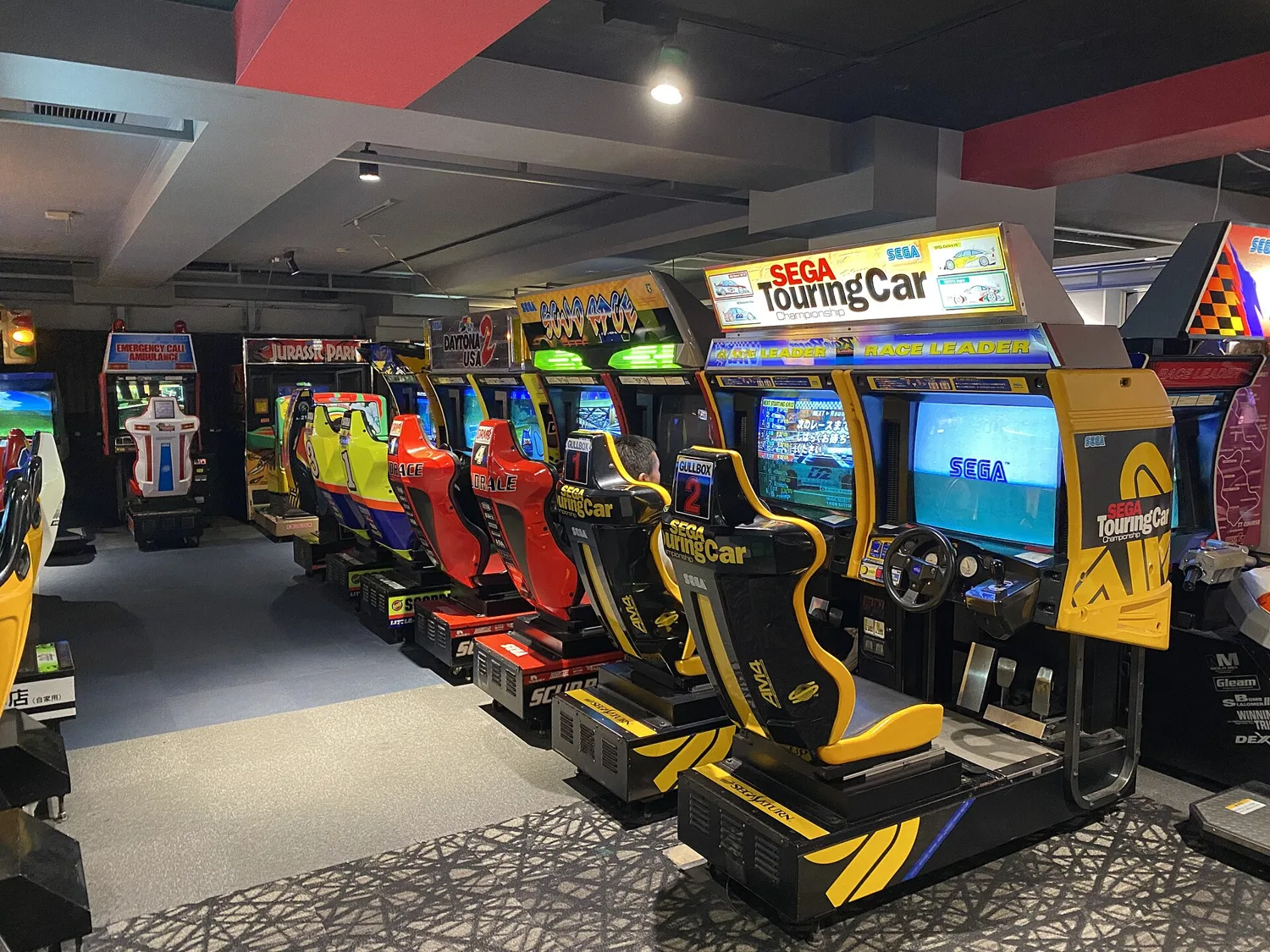
Super Potato calls itself the shop with Japan’s largest retro game stock. Expect Famicom and Mega Drive games, and oddities aimed at collectors, such as the Pyuta and LSI games, along with old-style Japanese sweets and character goods. On its fifth floor is an arcade of old cabinets, and the shop says you are welcome to come up just to rest.
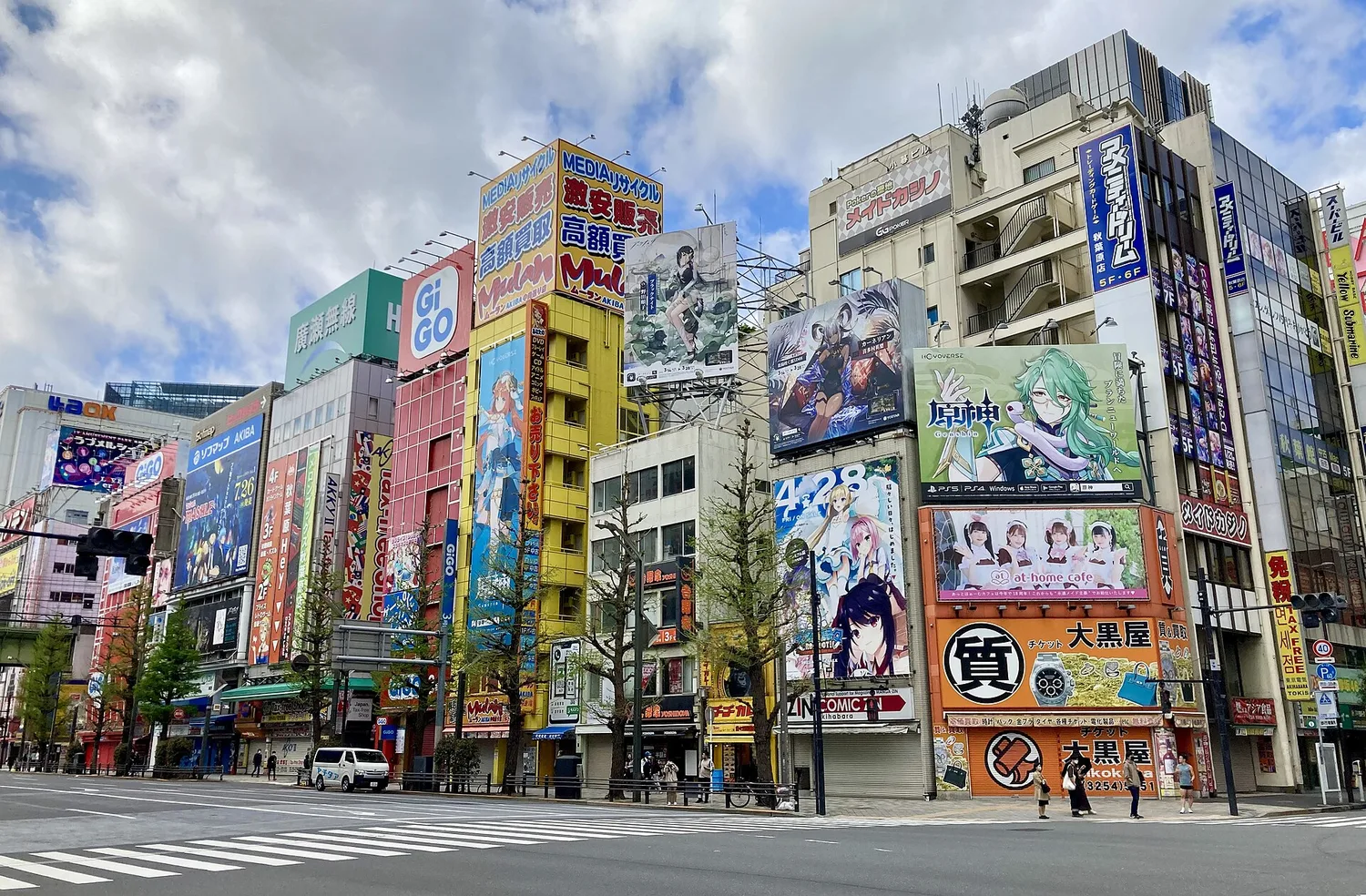
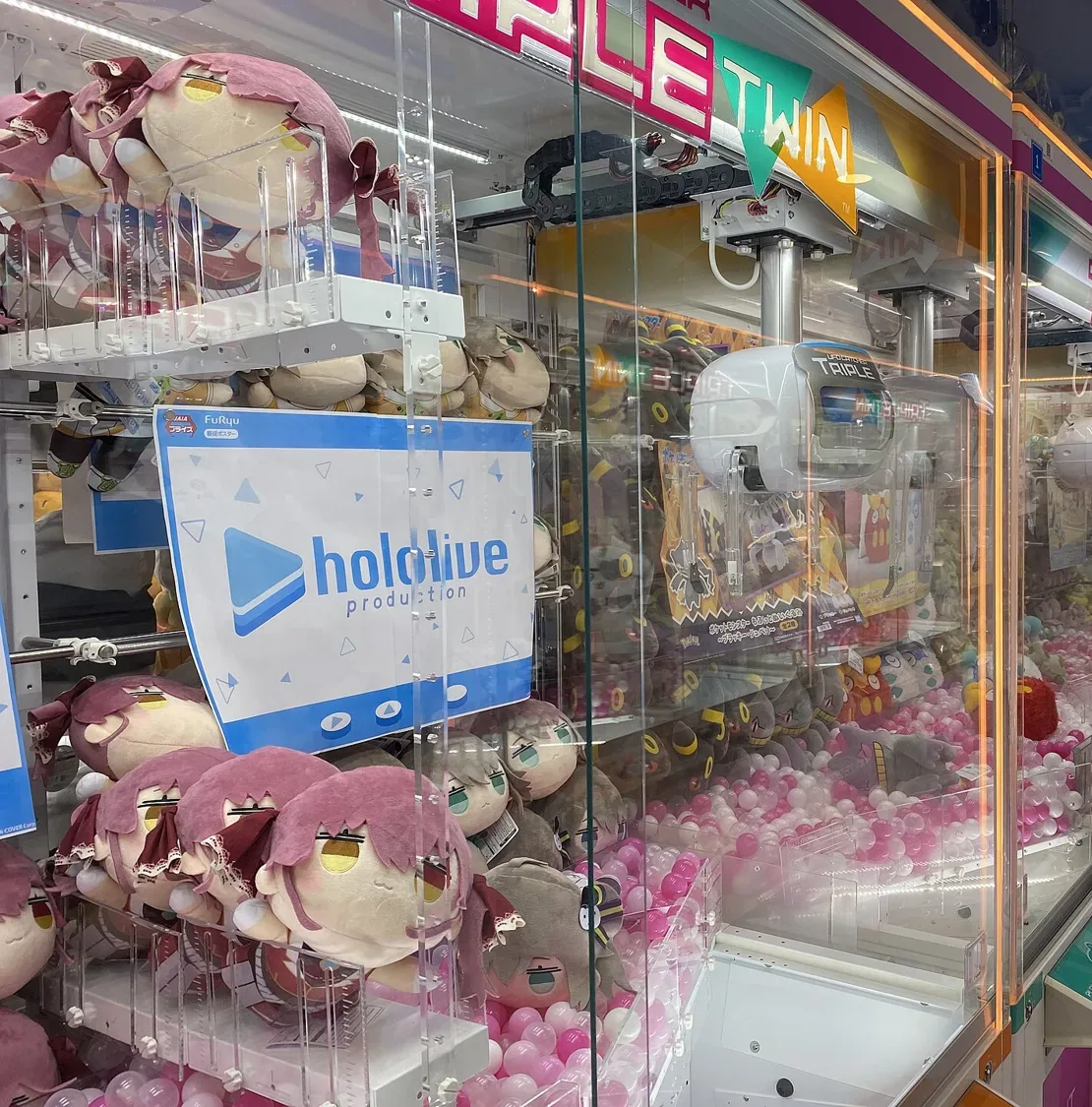
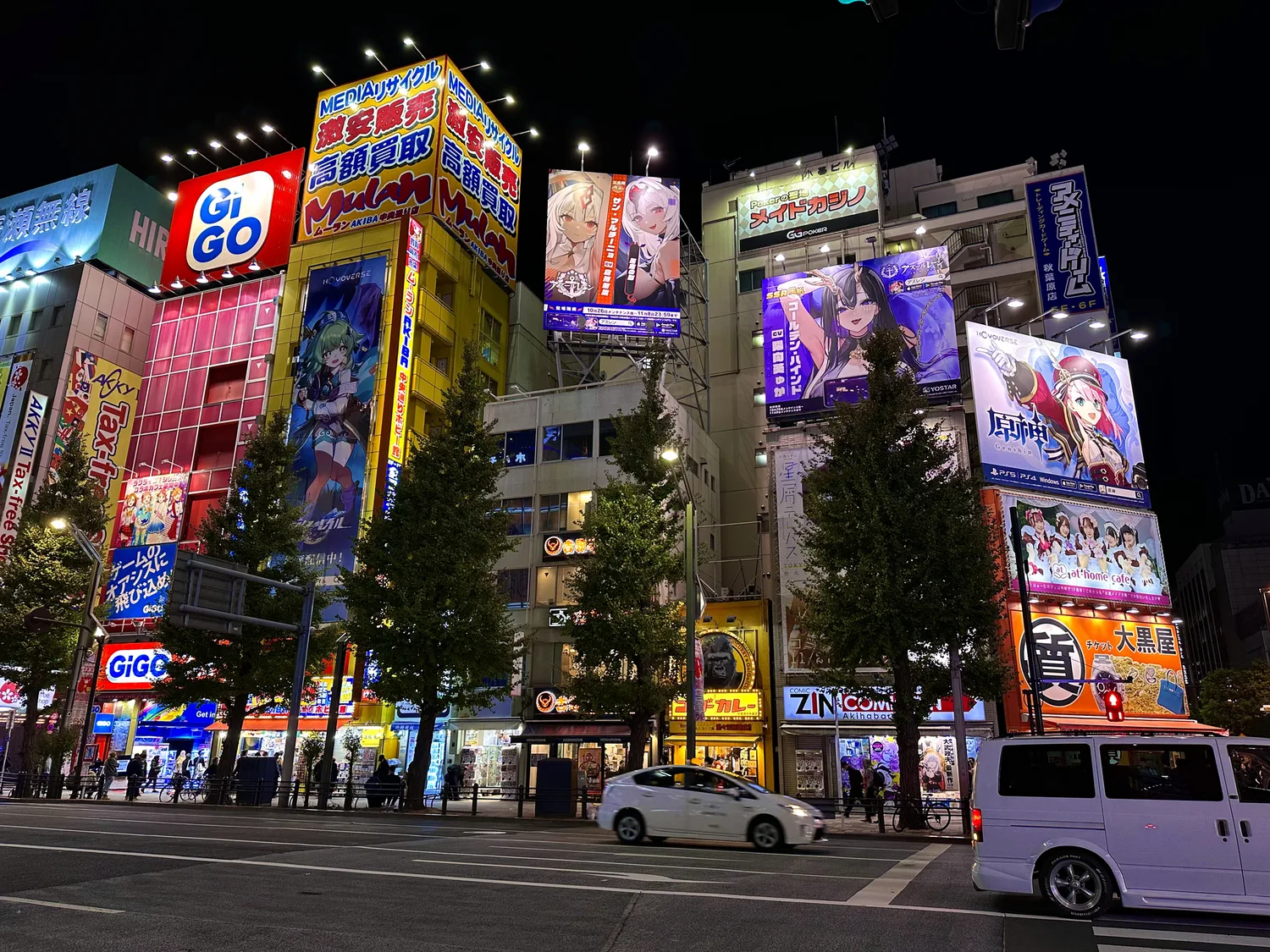
GiGO runs three game centers in Akihabara. The one on Chuo-dori, the main street, lists crane games, photo-sticker booths, driving, gun and music games, card games and capsule machines, plus a café.
Maid cafés
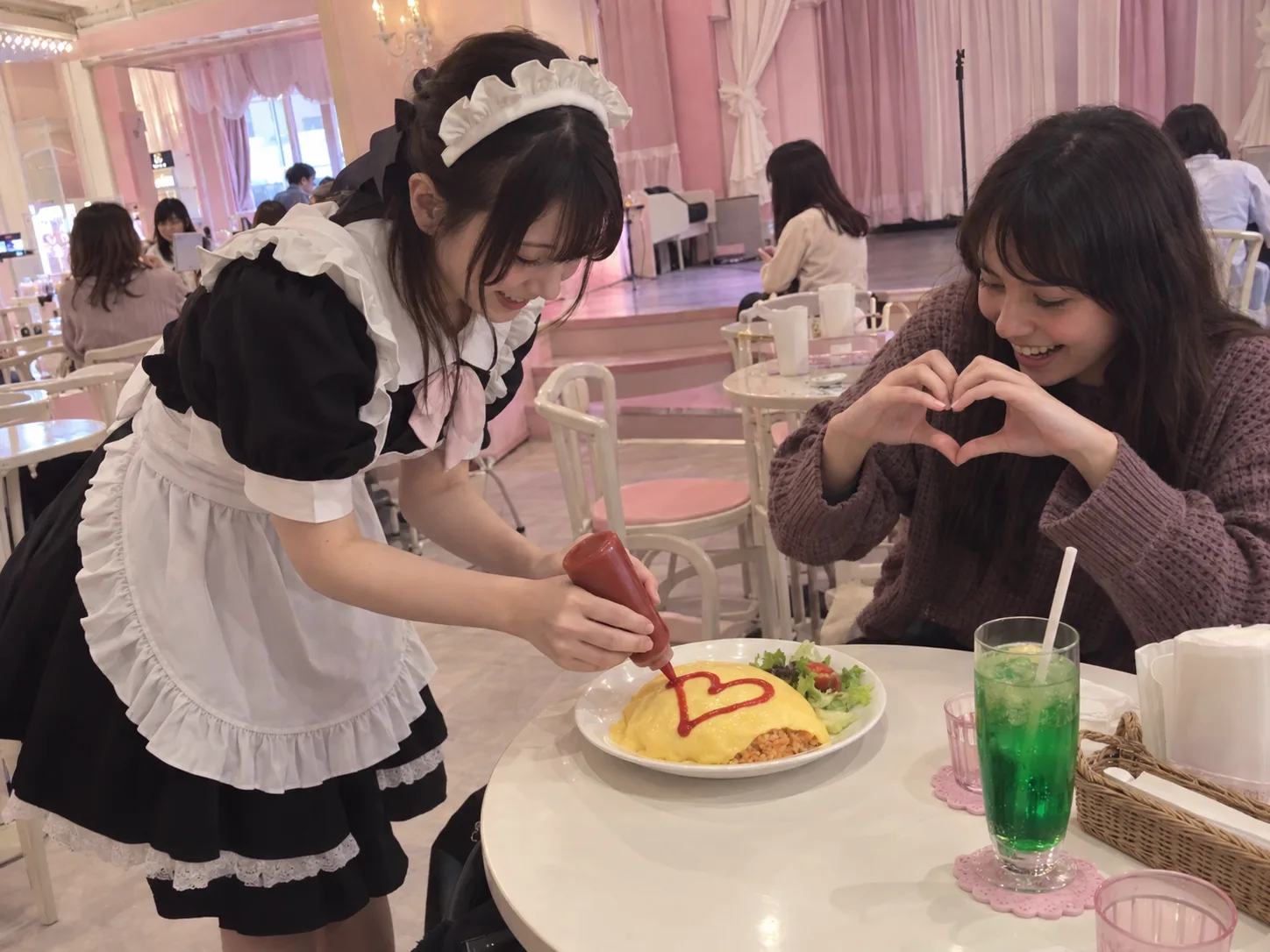
At maidreamin you do not simply walk in; you “enter the country” through “the door to the land of dreams”. First-timers are given a “maidreamin passport”, a handbook to how it all works, and the maids greet you with okaerinasaimase, “welcome home”, as master or young lady. Order an omelet rice and a maid decorates it, then leads the spell that makes it taste better: “moe moe kyun”, with your hands making a heart. If you are shy, the shop says, you can just watch.
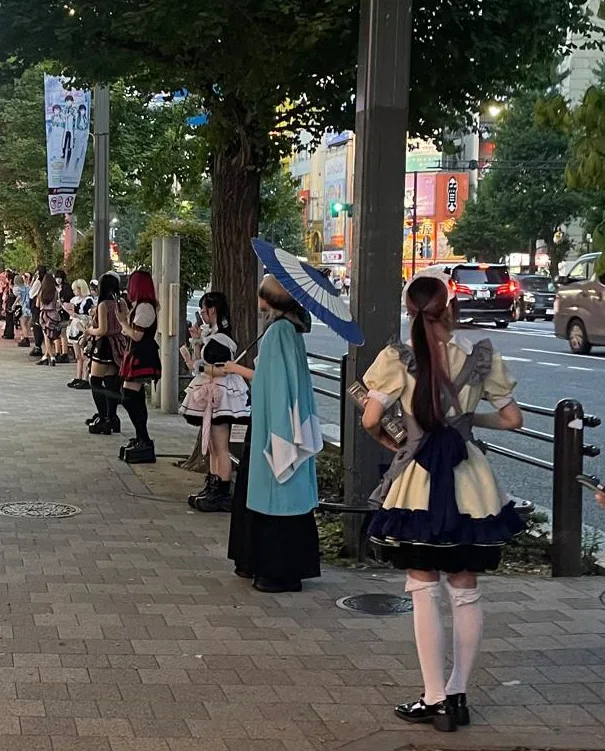
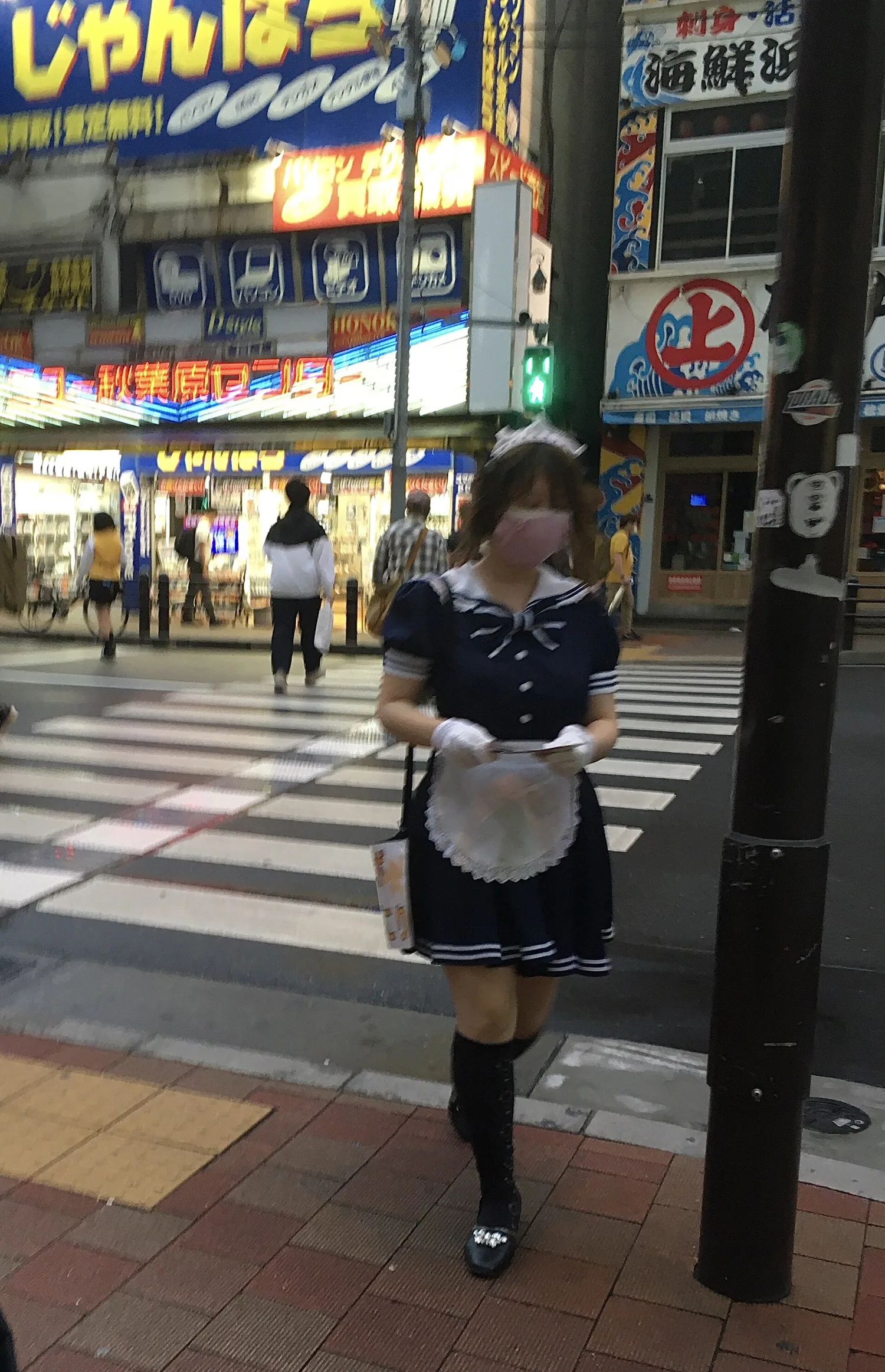
Inside, everyday things get new names. In maidreamin’s own glossary the toilet is the “flower garden”, drinking water is “moe water” and the elevator is the “dream jet”.
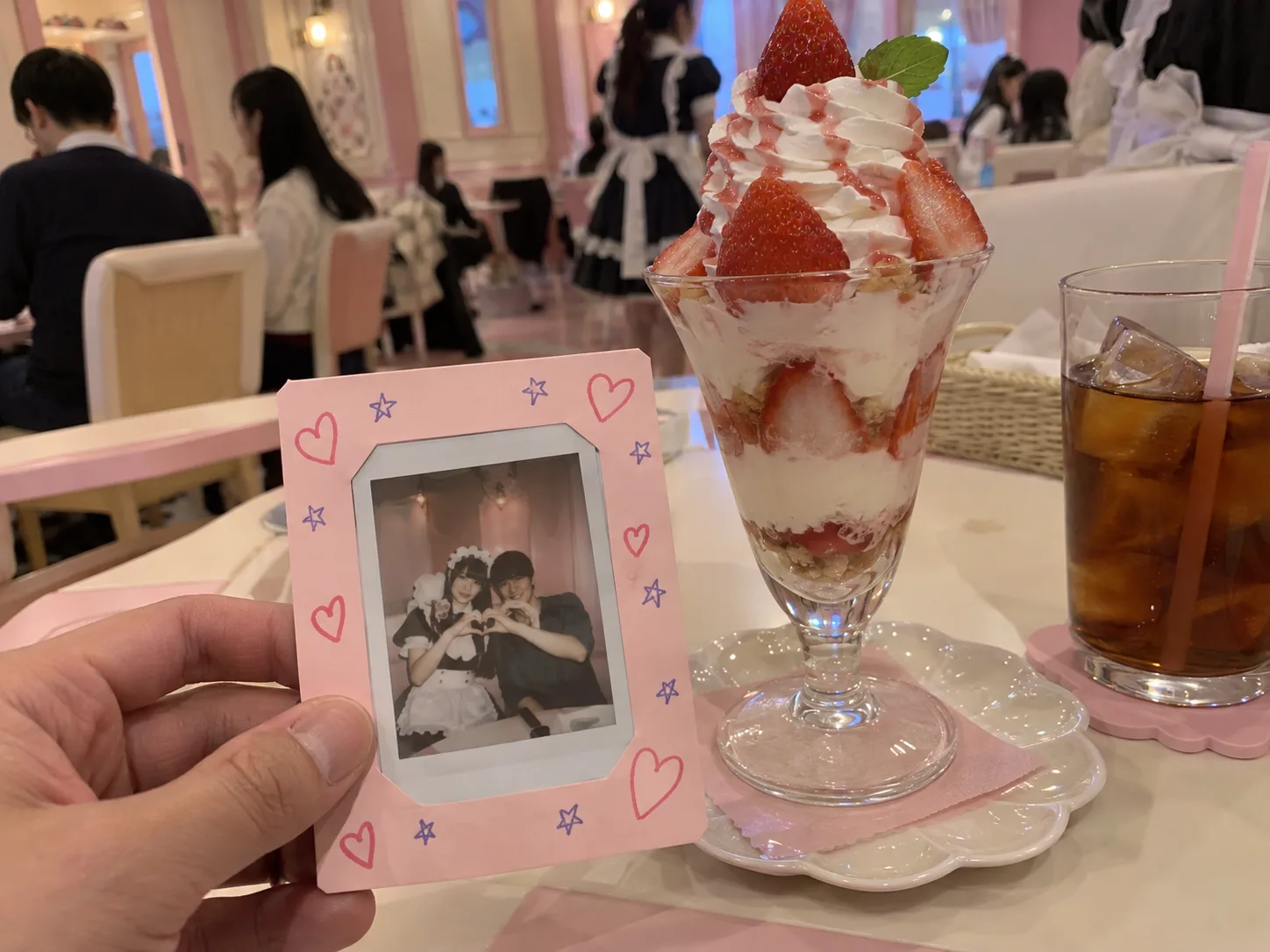
What you take home is a cheki, an instant photo with a maid, which maidreamin hands you in its own photo mount for 900 yen. Every maidreamin shop has a stage where the maids put on live shows. The money side is simple: an entry charge per person for each hour, plus food and drinks. Photos and video are fine as long as no maids, kitchen staff or other guests are in them, and you cannot touch the maids; the shop’s own FAQ says they would melt. Rules differ from café to café, so read each shop’s house rules before you take out your phone.
At @home cafe, every guest comes home as a “master” or “young lady”, and the tourism association describes it as a café that puts entertainment first. If it is your birthday, or the day before or after, the maids will celebrate it without a booking if you bring ID showing the date. One of its veteran maids has served as Akihabara’s official tourism goodwill ambassador.
For the quiet version, go to Cure Maid Café, which calls itself Japan’s first maid café. Its staff serve tea in classic maid uniforms, and it has appeared as a model location in anime such as Love Live!
Cosplay, idols and doujinshi
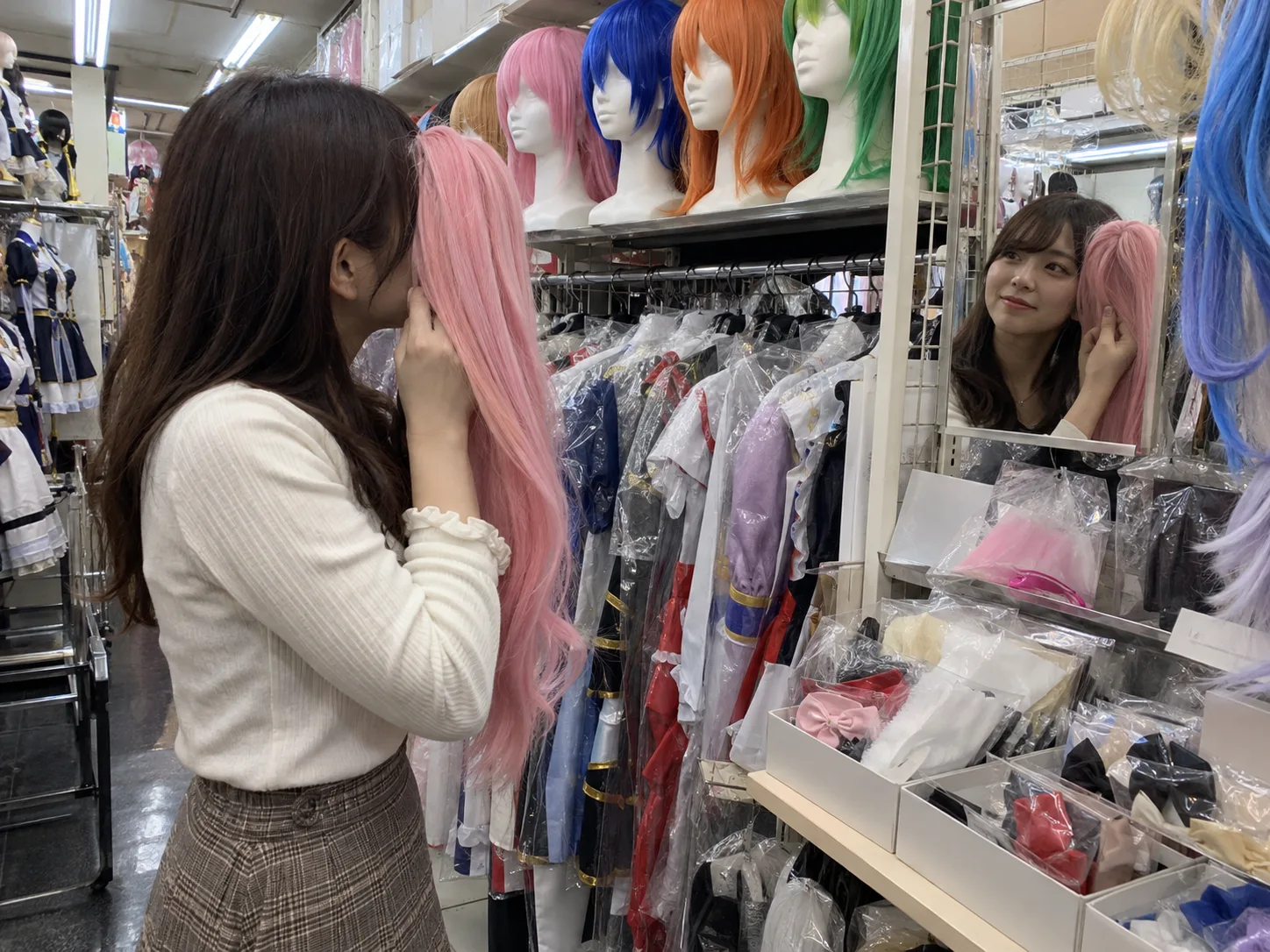
In the same building as Cure Maid Café is Cospatio, the shop of Cospa, which was founded as what it calls Japan’s first cosplay costume maker. The tourism association describes racks of anime, game and manga character costumes, wigs and accessories, and you can order a costume made to measure.
Mandarake Complex is a whole building of Akihabara’s collecting culture. Doujinshi, the self-published comics and art books that fans make about the series they love, fill one floor and spill onto the next. Above them the toy floors climb from model kits and prize figures, the kind made to be won in crane games, past tokusatsu heroes from Japan’s live-action special-effects shows and die-cast robots, to bishojo (pretty-girl) and robot figures at the top.
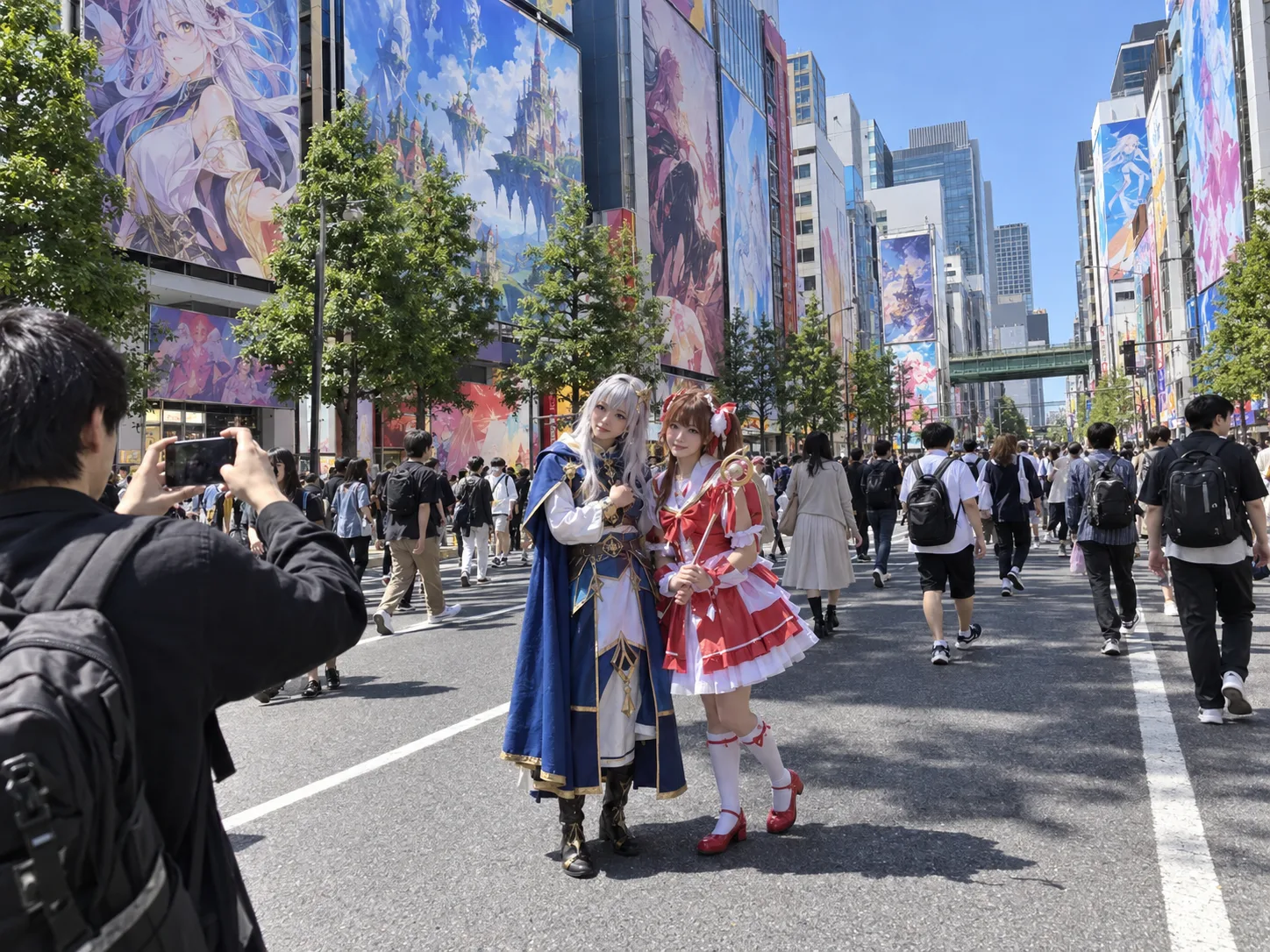
Underground in the AKIBA Cultures Zone building is the AKIBA Cultures Theater, which the tourism association calls one of the largest idol theaters in the area, with idol shows every day of the year. Tickets are booked online and drawn by lottery, with same-day tickets on sale if a show has not filled up, and you bring photo ID to get in; a passport works. You watch from your seat, or from a standing area at the back, and the theater’s own rules ask you to mind your penlight under the low ceiling and to skip the moshing and diving. Above it, the same building is packed with shops for cosplay, figures and anime goods, and collaboration cafés.
A detour: a shrine for your laptop
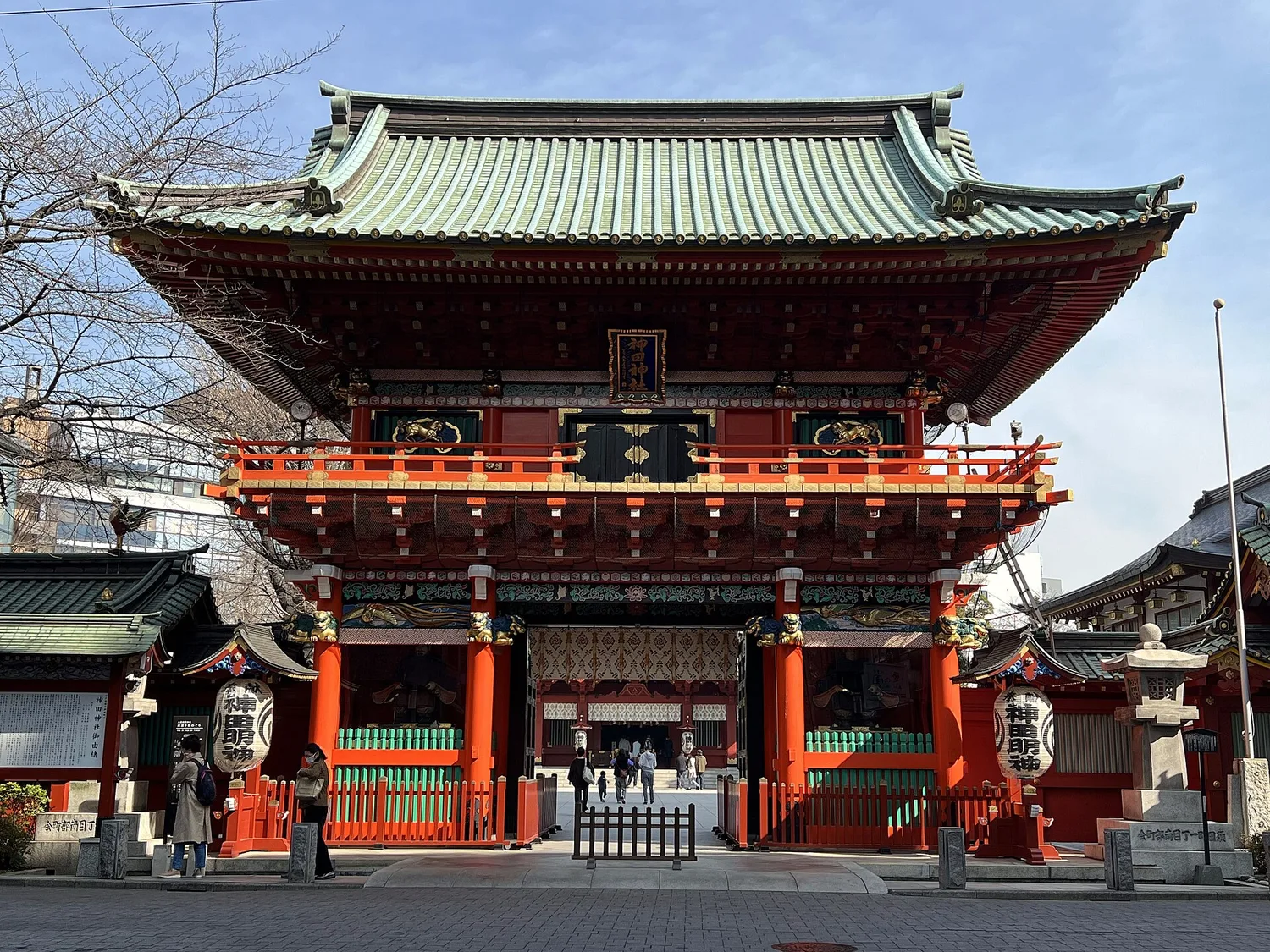
Before you cross to the parts shops, consider a short walk to Kanda Myojin, the guardian shrine of Akihabara and much of central Tokyo. It offers an “IT” protection amulet whose stated purpose is the safe functioning of computers, and its museum has held special exhibitions with manga and anime such as Initial D, The Apothecary Diaries and Oshi no Ko.
Across the street: the Radio Department Store
After the war, radio-parts stalls were moved to space under the tracks at Akihabara, and the Tokyo Radio Department Store was founded in 1950, right beside the elevated line, calling itself Japan’s first department store for electronic parts. Come out of the Electric Town exit, look for the Sobu Line overpass above the big road, and cross under it at the crosswalk.
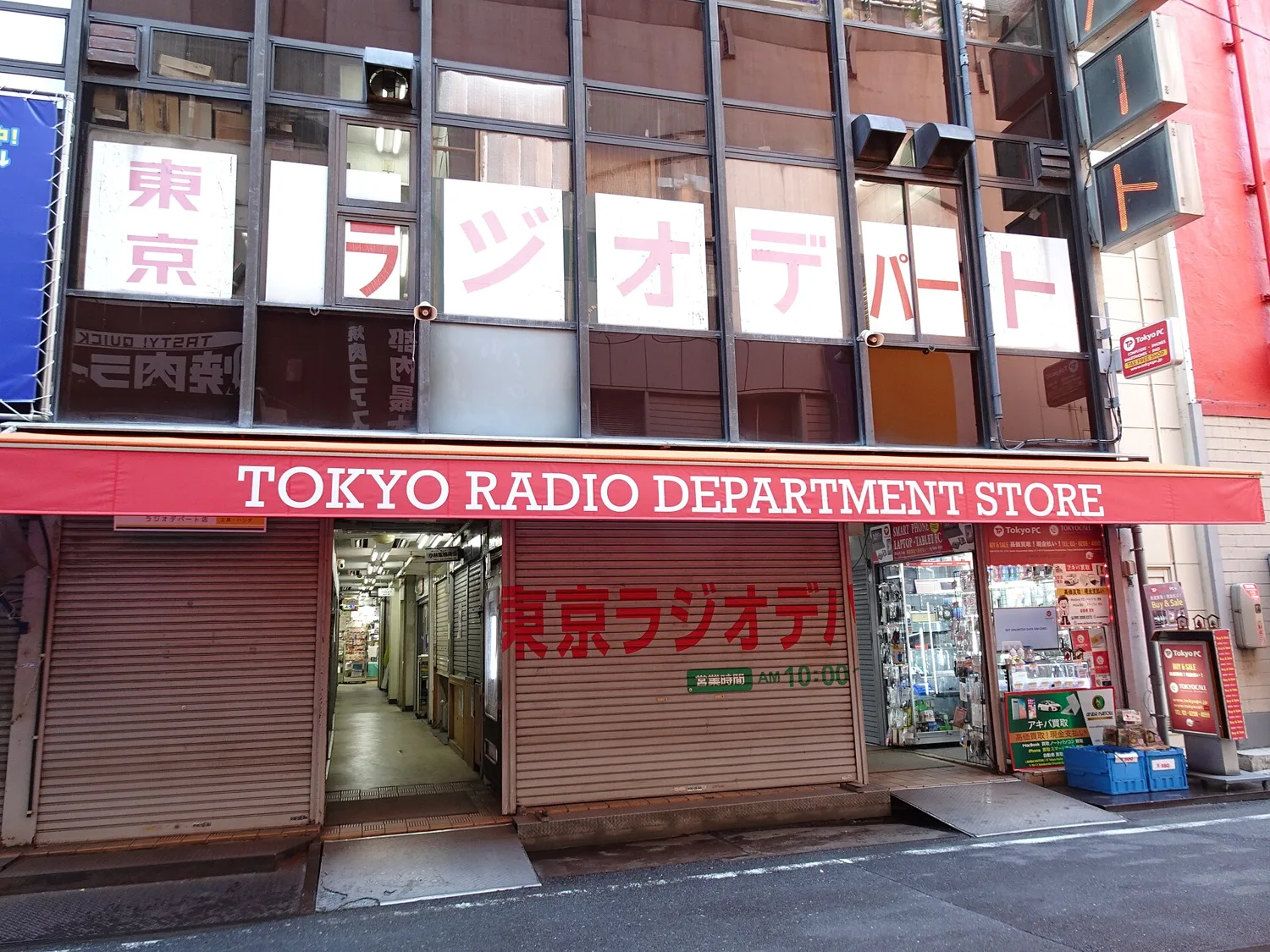
Inside, about 36 small shops are packed into the lower floors, some of them specializing in vacuum tubes. In the basement is General Transformer Sales, which the building calls the “transformer shop in the depachika”, the word Japanese use for a department store’s basement food floor. Upstairs is Maywa Denki, an art unit that builds and sells “nonsense machines”.
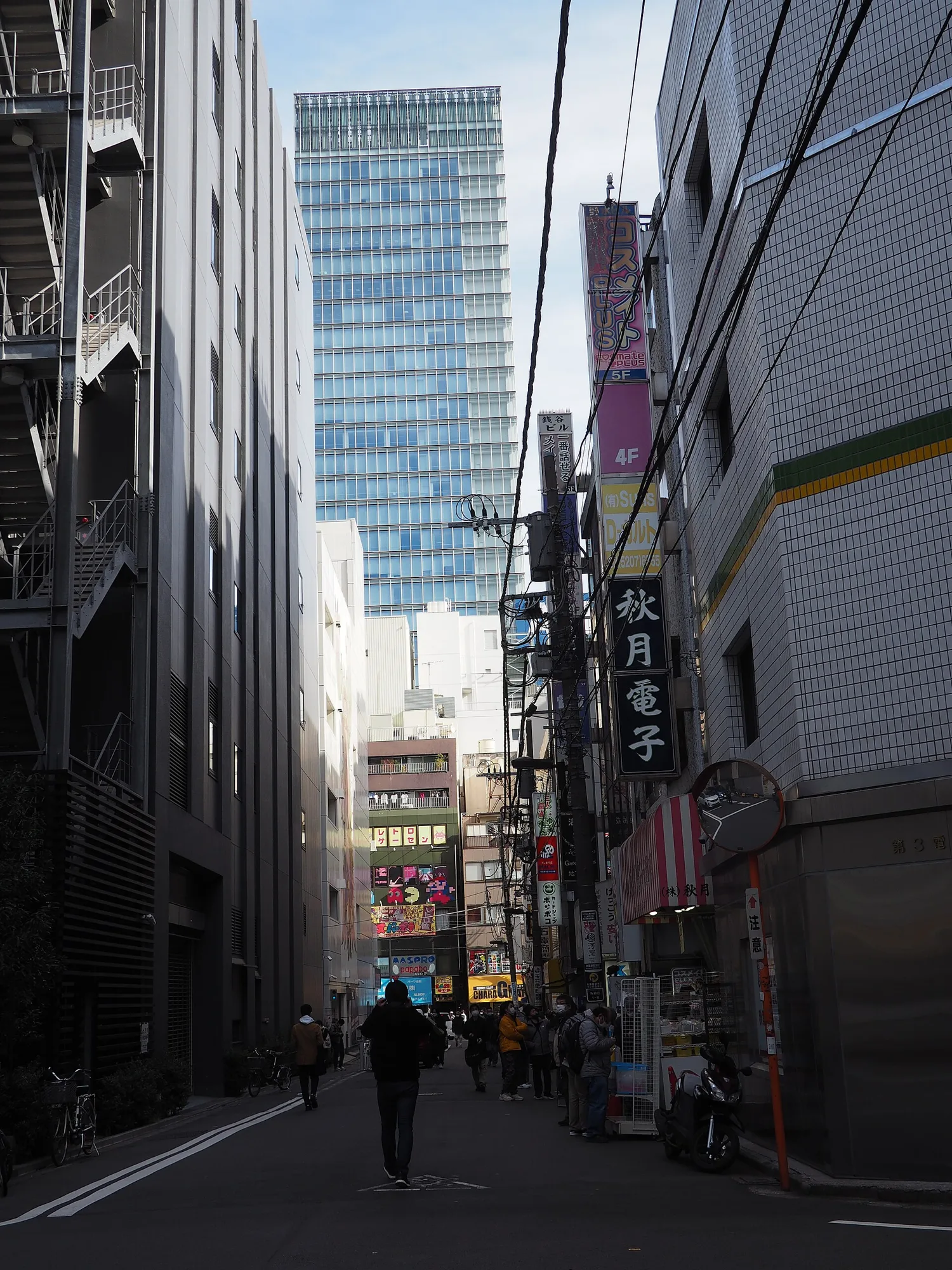
Then look for 無線, musen, “wireless”, in the shop names; the town’s merchants’ association says so many keep “radio” or “wireless” because they were named in those postwar years. Even one of GiGO’s arcades sits in a building with musen in its name.
Weekday or Sunday
If the parts shops are what you came for, go on a weekday. Some small parts shops close on Sundays and public holidays, and several close in the early evening.
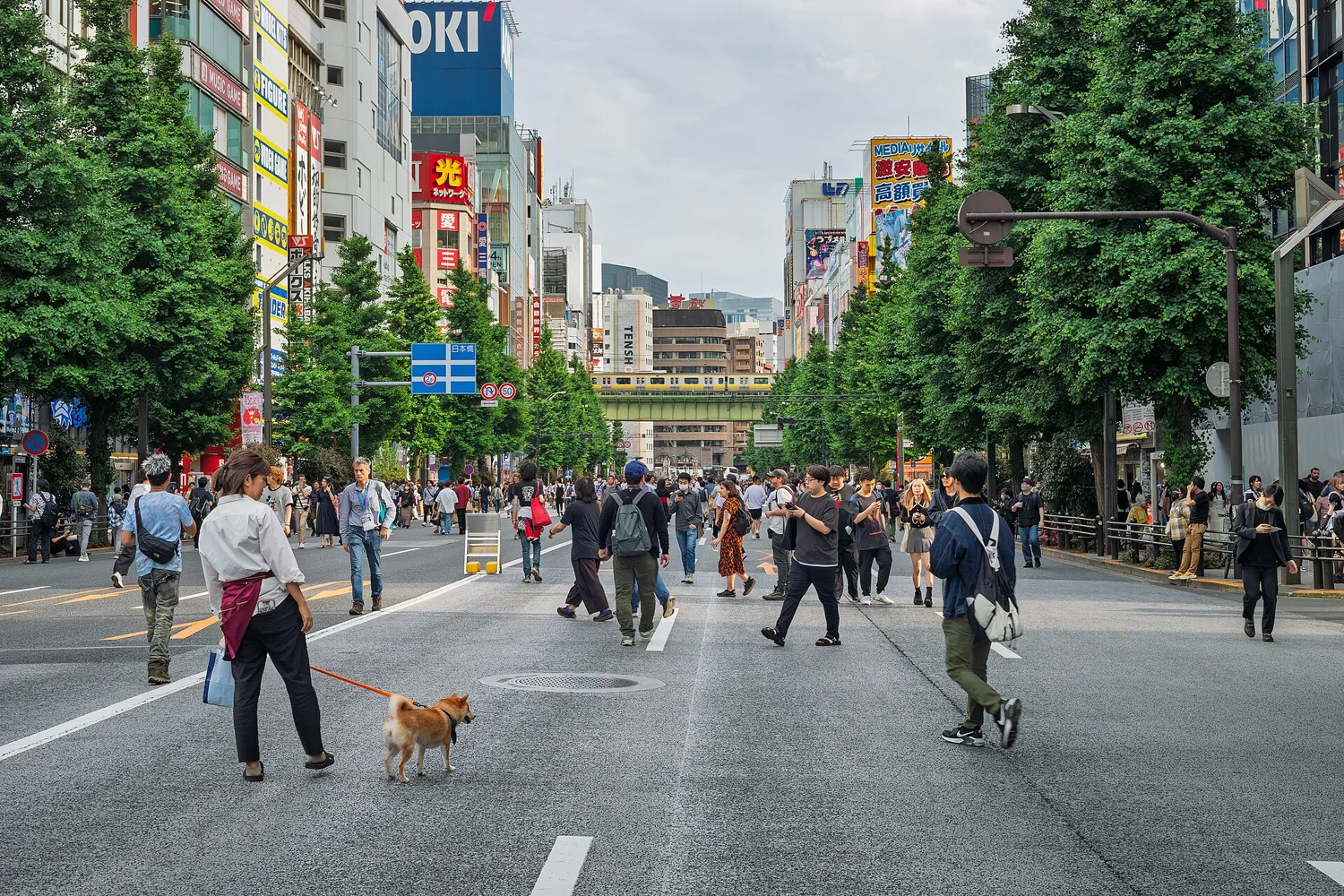
If you want the street itself, come on a Sunday afternoon, when Chuo-dori closes to cars and becomes a walking street, though its rules do not allow performances or selling. It can be called off at short notice for bad weather. The car-free stretch ends at Mansei-bashi, where the platform of a closed station is now a glass-walled deck with Chuo Line trains passing on both sides.
Before you go
| Radio Kaikan | Open 10:00–20:00 as a building (the basement restaurant keeps its own hours); shops on each floor open and close at different times, some from 11:00 or 12:00. Right by the Electric Town exit of JR Akihabara Station. Address: 1-15-16 Sotokanda, Chiyoda City, Tokyo (東京都千代田区外神田1-15-16). Official website: akihabara-radiokaikan.co.jp |
| Tokyo Radio Department Store | 10:00–19:00, but each shop sets its own hours and days off. About 2 minutes from the Electric Town exit, along the elevated tracks. Address: 1-10-11 Sotokanda, Chiyoda City, Tokyo (東京都千代田区外神田1-10-11). Official website: tokyoradiodepart.co.jp |
| Akihabara Gachapon Kaikan | Weekdays 11:00–20:00, Sundays and holidays 11:00–19:00; the shop says to check its X account for the latest hours. About 7 minutes from the Electric Town exit. Address: 3-15-5 Sotokanda, Chiyoda City, Tokyo (東京都千代田区外神田3-15-5), MN Building 1F. Official website: akibagacha.com |
| Animate Akihabara | Buildings 1 and 2: 10:00–21:00 daily; the annex with the capsule-toy floors: 10:00–21:00 on weekdays and 10:00–20:00 on weekends and holidays. Address: 4-3-1 Sotokanda, Chiyoda City, Tokyo (東京都千代田区外神田4-3-1). Official website: animate.co.jp |
| Super Potato (retro games) | 11:00–20:00, open every day. Address: 1-11-2 Sotokanda, Chiyoda City, Tokyo (東京都千代田区外神田1-11-2), 3rd–5th floors. Official website: superpotato.com |
| GiGO Akihabara 3 | 10:00–23:30 daily. On Chuo-dori, about 3 minutes from the Electric Town exit. Address: 1-11-11 Sotokanda, Chiyoda City, Tokyo (東京都千代田区外神田1-11-11). Official website: gigo.co.jp |
| @home cafe | Several shops in Akihabara, including the main shop at 1-11-4 Sotokanda, Chiyoda City, Tokyo (東京都千代田区外神田1-11-4). Official website: cafe-athome.com |
| maidreamin | Standard café entry charge 880 yen per adult per hour, plus food and drinks; late entry and special periods may cost more. A cheki photo with a maid 900 yen. Akihabara main shop: 3-16-17 Sotokanda, Chiyoda City, Tokyo (東京都千代田区外神田3-16-17), Sumiyoshi Building 6F. Official website: maidreamin.com |
| Cure Maid Café | 11:00–20:00 (last food orders 19:00). Address: 1-2-7 Sotokanda, Chiyoda City, Tokyo (東京都千代田区外神田1-2-7), Onoden Building 4F, inside Gee! Store Akiba. Official website: curemaid.jp |
| Cospatio (cosplay costumes) | 10:00–20:00. Same building as Cure Maid Café: 1-2-7 Sotokanda, Chiyoda City, Tokyo (東京都千代田区外神田1-2-7), Onoden Building 4F. Official website: cospa.com |
| Mandarake Complex | 12:00–20:00, open every day. About 4 minutes from the Electric Town exit. Address: 3-11-12 Sotokanda, Chiyoda City, Tokyo (東京都千代田区外神田3-11-12). Official website: mandarake.co.jp |
| AKIBA Cultures Theater (idols) | Shows every day; prices differ by show. Tickets by online lottery, plus same-day tickets if a show has not filled up; bring photo ID such as a passport. Address: 1-7-6 Sotokanda, Chiyoda City, Tokyo (東京都千代田区外神田1-7-6), AKIBA Cultures Zone B1. Official website: akibalive.jp |
| Kanda Myojin | IT protection amulet 1,000 yen. About 7 minutes from the Electric Town exit. Address: 2-16-2 Sotokanda, Chiyoda City, Tokyo (東京都千代田区外神田2-16-2). Official website: kandamyoujin.or.jp |
| Sunday car-free street | Chuo-dori, about 570 m between Sotokanda 5-chome and Mansei-bashi crossings. Sundays 13:00–17:00 (October–March), 13:00–18:00 (April–September). May be called off for bad weather and over the New Year |
| mAAch ecute Kanda Manseibashi | The old Manseibashi Station platform. Platform open 11:00–22:00 (Sundays and holidays until 20:30); closed on a few days a year, listed on the website. About 4 minutes from the Electric Town exit. Address: 1-25-4 Kanda Sudacho, Chiyoda City, Tokyo (東京都千代田区神田須田町1-25-4). Official website: ecute.jp/maach |
| Tax-free shopping | Until 31 October 2026, tax-free shops take the tax off at the till. For purchases from 1 November 2026, you pay the tax-inclusive price and get the tax refunded after customs at the airport confirms the goods as you leave Japan. At least 5,000 yen (before tax) per shop per day; get the customs confirmation within 90 days of purchase and before checking in your bags |
What I would do
On a weekday afternoon, I would go from the Electric Town exit straight into Radio Kaikan, pick the floors for what I love, and make sure to pass through the fifth, where Kaiyodo’s figures and Wakamatsu’s transistors share a floor. Then I would pick one show, a “moe moe kyun” over an omelet rice at maidreamin or an idol stage if the schedule fits, and finish at the Radio Department Store before its shops close, looking for 無線 in the shop names. That is the radio town all those figures grew out of, and it still sells parts.
We have visited every place in this guide. The practical information was checked against the official sources below on 23 and 24 October 2026.
- Akihabara Radio Kaikan (Japanese) — the history of the building, the floor guide and shop pages, opening hours and address: akihabara-radiokaikan.co.jp
- Tokyo Radio Department Store (Japanese) — its founding, the floor map and shops, hours, directions and address: tokyoradiodepart.co.jp
- Akihabara Electric Town Association (Japanese) — the postwar history of the electric town and the shop names, the car-free street: akiba.or.jp/archives/, /pedestrianzone/
- Tokyo Metropolitan Police Department (Japanese) — the car-free street days and hours: keishicho.metro.tokyo.lg.jp
- Maywa Denki (Japanese) — its shop in the Radio Department Store: maywadenki.com
- Akihabara Gachapon Kaikan, Animate, Super Potato, GiGO, @home cafe, maidreamin (Japanese) — shop descriptions, arrival lists, hours, addresses, charges, the passport, glossary, cheki and photo rules: akibagacha.com, animate.co.jp, superpotato.com, gigo.co.jp, cafe-athome.com, maidreamin.com
- Chiyoda City Tourism Association (Japanese) — @home cafe, its tourism-ambassador maid, Cospatio and the AKIBA Cultures Theater: visit-chiyoda.tokyo
- Cure Maid Café, Cospa, Mandarake, AKIBA Cultures Theater (Japanese) — their own descriptions, hours and addresses: curemaid.jp, cospa.com, mandarake.co.jp, akibalive.jp
- Kanda Myojin (Japanese) — the IT amulet, the museum’s exhibitions and access: kandamyoujin.or.jp
- mAAch ecute Kanda Manseibashi (Japanese) — the old station platform, hours and closing days: ecute.jp/maach
- Japan Tourism Agency (Japanese) — the tax-free system and its change: mlit.go.jp/kankocho/tax-free/
- Photographs: the lead image over Akihabara’s rooftops and the Radio Kaikan sign by Dick Thomas Johnson, August 2022 (CC BY 2.0); capsule-toy machines by PanierAvide (CC BY 4.0); the Tokyo Radio Department Store by RuinDig/Yuki Uchida (CC BY 4.0); Chuo-dori on a Sunday by Ximonic (Simo Räsänen) (CC BY-SA 4.0); the crane games (cropped) and the racing cabinets by BWard 1997 (CC BY 4.0); the parts street by nakashi (CC BY-SA 2.0); Akihabara at night by Benlisquare (CC BY-SA 4.0); the Chuo-dori billboards by Dudva (CC BY-SA 4.0); the station capsule toys by nakashi (CC BY-SA 2.0); café staff in maid costumes by Nadelschwein (CC BY-SA 4.0); Kanda Myojin’s gate by Asanagi (CC0); the electric town at night by Phineyes (CC0); the maid at a crossing by Nesnad (CC BY 4.0). The images of figures, the omelet rice, the cheki, the wig shop and the cosplayers on the street are AI-generated photo illustrations, not photographs of the places named in this guide
Explore other areas
- Hokkaido — Sapporo
- Kanto — Hakone
- Hokuriku — Kanazawa
- Koshin-Tokai — Fuji Five Lakes
- Kansai — Nara
- Chugoku — Hiroshima
- Kyushu — Fukuoka
- Okinawa — Naha
