Hiroshima travel guide
Hiroshima: what to see and when to go
The A-Bomb Dome and Hiroshima Castle are about 18 minutes apart on foot. Itsukushima Shrine is on Miyajima, about 10 minutes by ferry from Miyajimaguchi, and there the tide table matters as much as the clock.
We have not visited these places in person. Everything here comes from official and tourism-association pages, and each card says when we checked them.
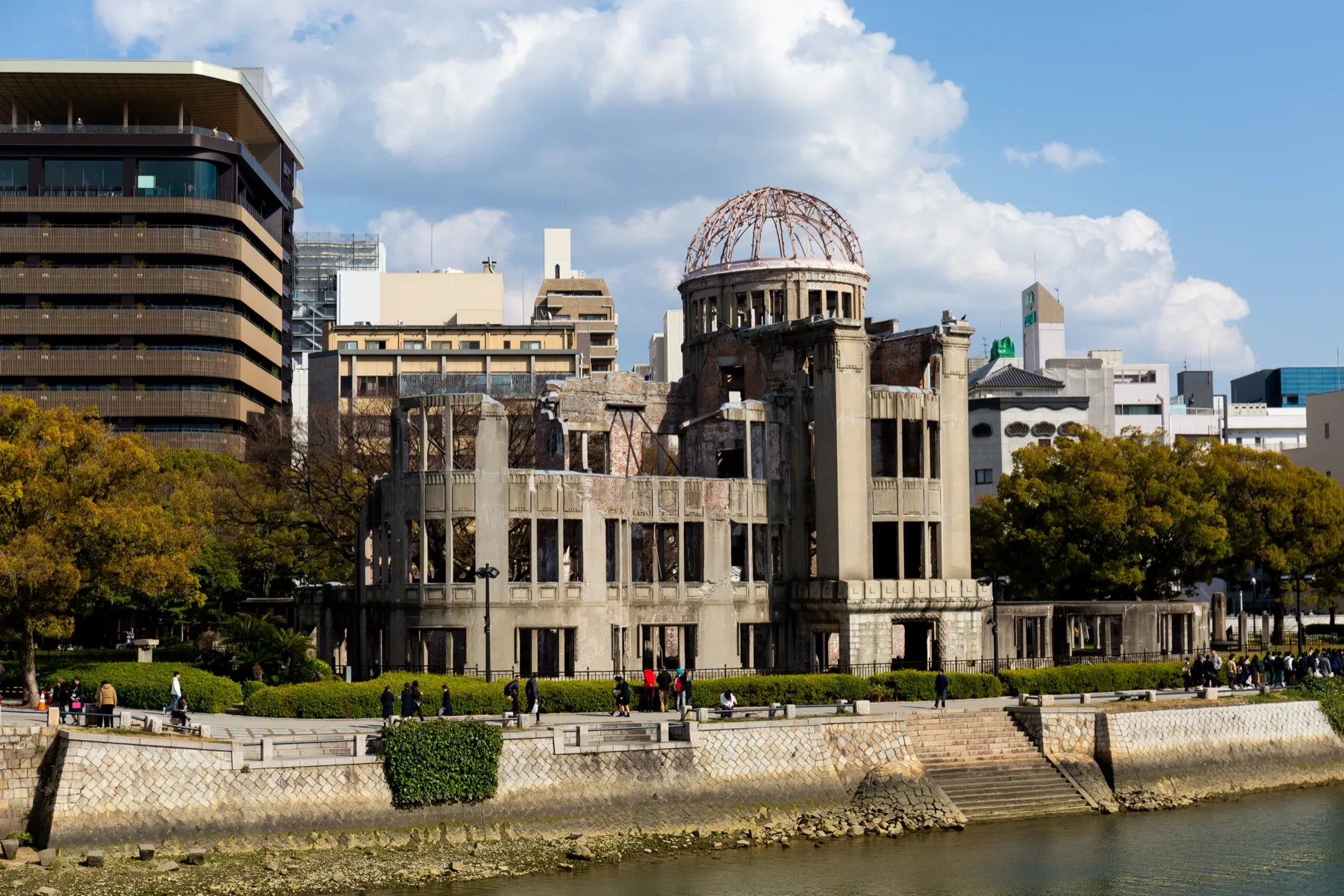 Photo: Balon Greyjoy / CC0 (Wikimedia Commons), cropped

What to see in Hiroshima
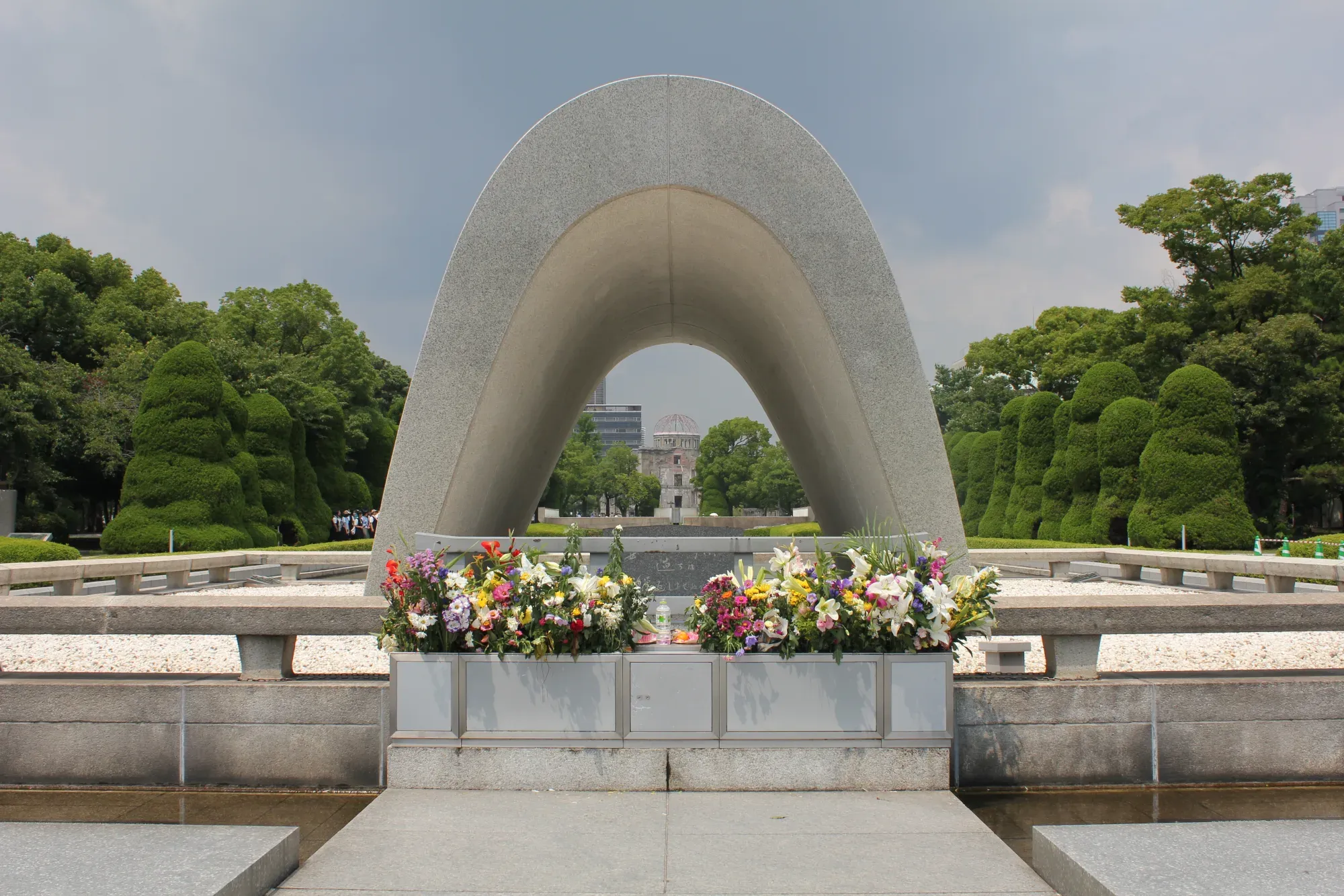
Peace Memorial Park平和記念公園
For the A-Bomb Dome, seen down the line the park was laid out on
OpensMuseum hours not confirmed; check the museum’s own website. The A-Bomb Dome is seen from outside only.CostsMuseum regular admission ¥200.Checked 24 September 2026
Read the guide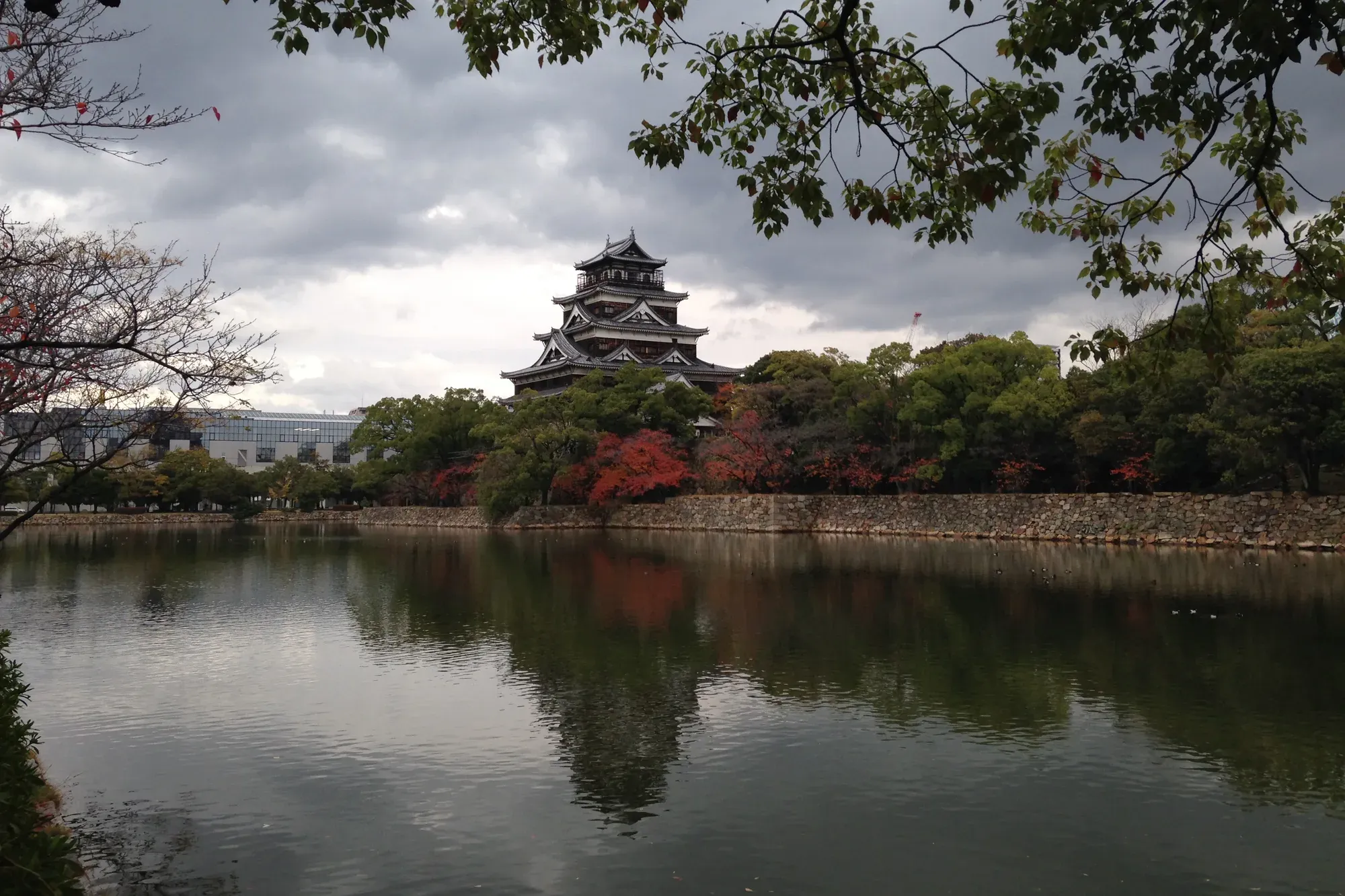
Hiroshima Castle広島城
For the free, wooden Ninomaru and three trees that survived the atomic bomb
OpensNinomaru 9:00–17:30 (Apr–Sep), 9:00–16:30 (Oct–Mar). The keep is closed and seen from outside only.CostsNinomaru free.ClosedNinomaru closed 8 December and 29–31 December.Checked 24 September 2026
Read the guide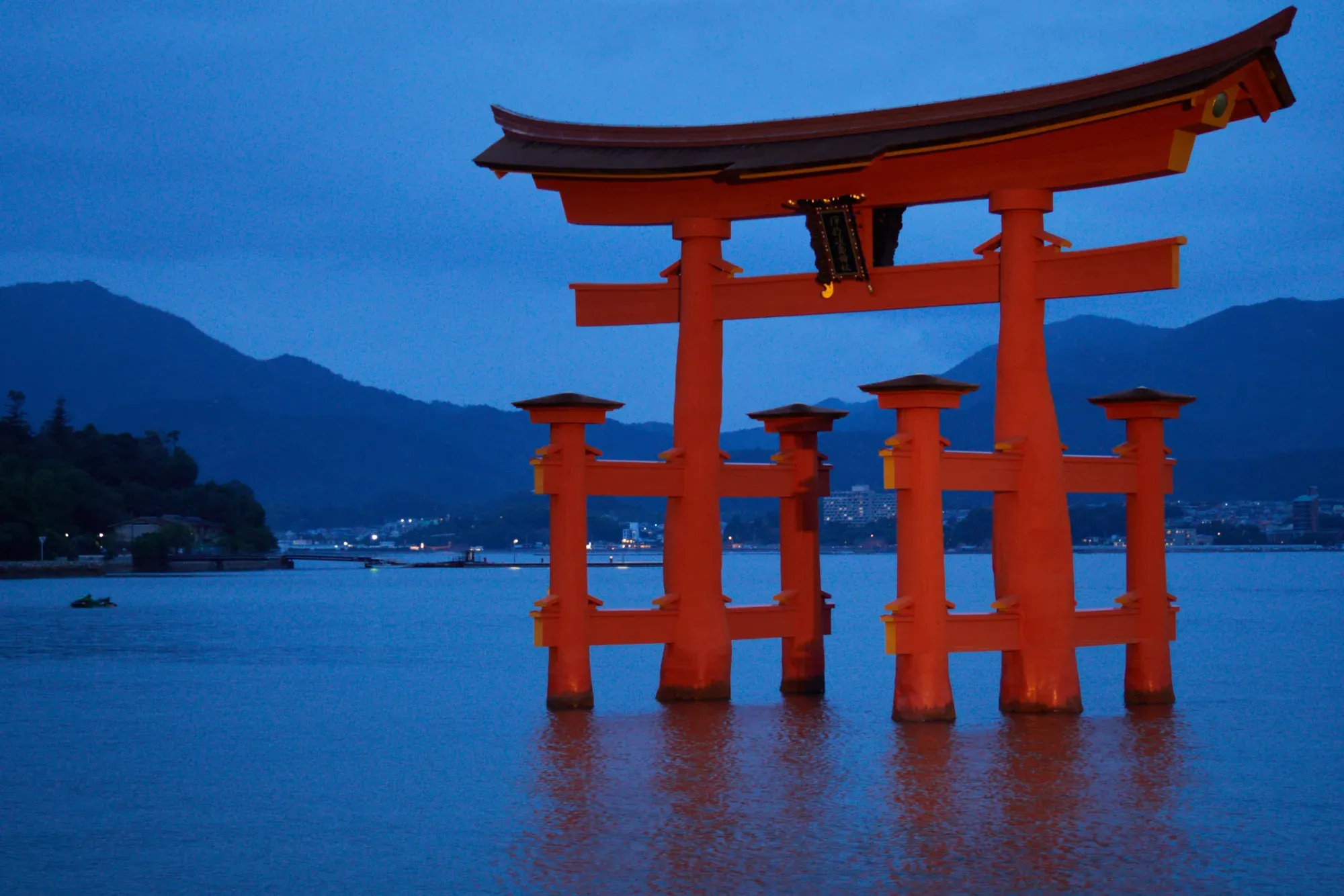
Itsukushima Shrine嚴島神社
For the great torii in the sea, and the walk out to it when the tide allows
OpensEvery day from 6:30. Closes 18:00 (1 Mar–14 Oct), 17:00–17:30 the rest of the year (1–3 Jan differ).CostsAdults ¥300.Checked 23 September 2026
Read the guide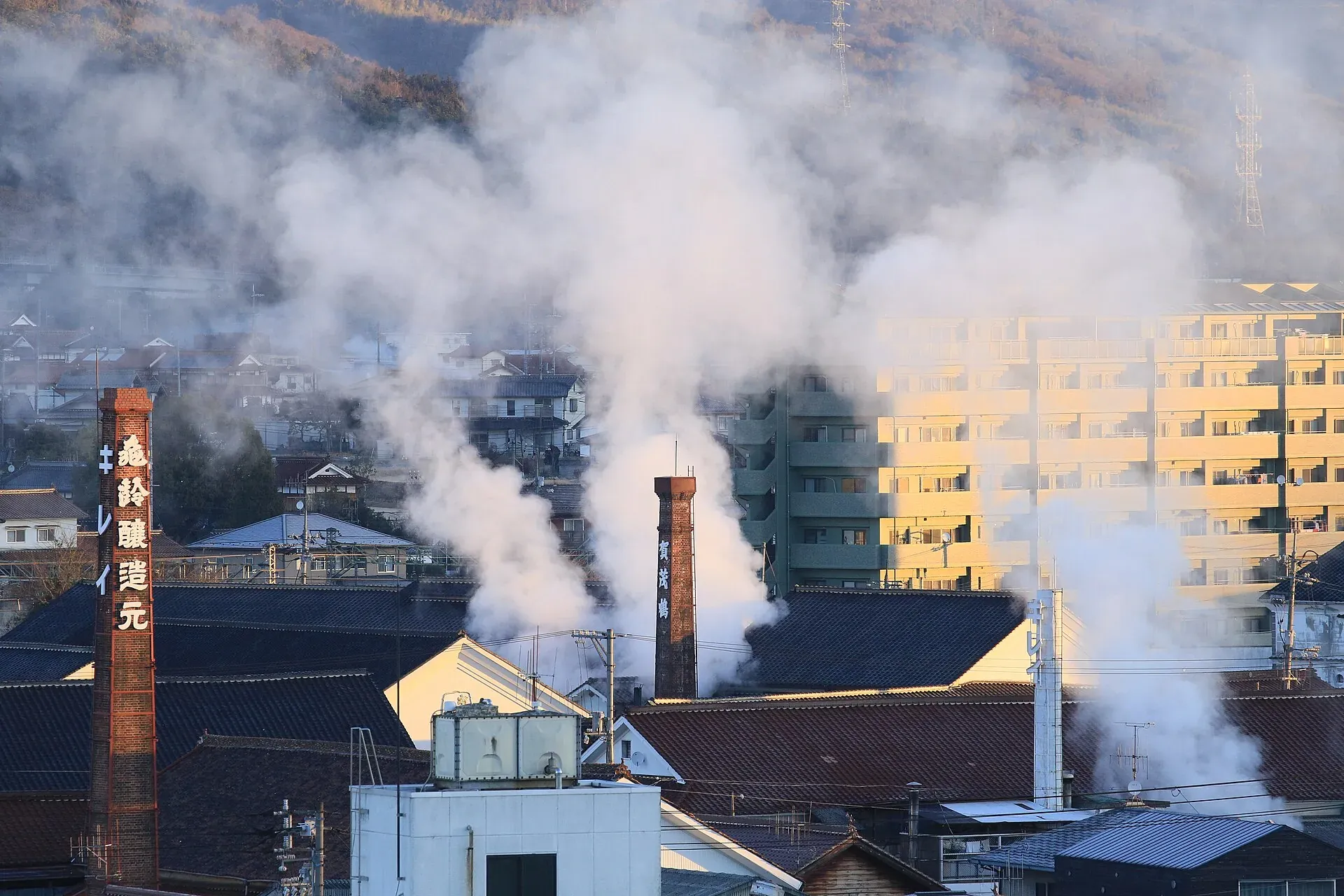
Saijo Station Street西条駅前商店街(岡町)
For brick-chimneyed breweries by day, and the station street's izakaya from five
OpensKappo Shinsuke 11:00–14:00 and 17:00–21:00. The izakaya in the guide from 17:00.CostsNo admission. Bishonabe set meals need booking two days ahead.ClosedShinsuke, Dondon and the Sanyotsuru shop close on Sundays.Checked 26 September 2026
Read the guide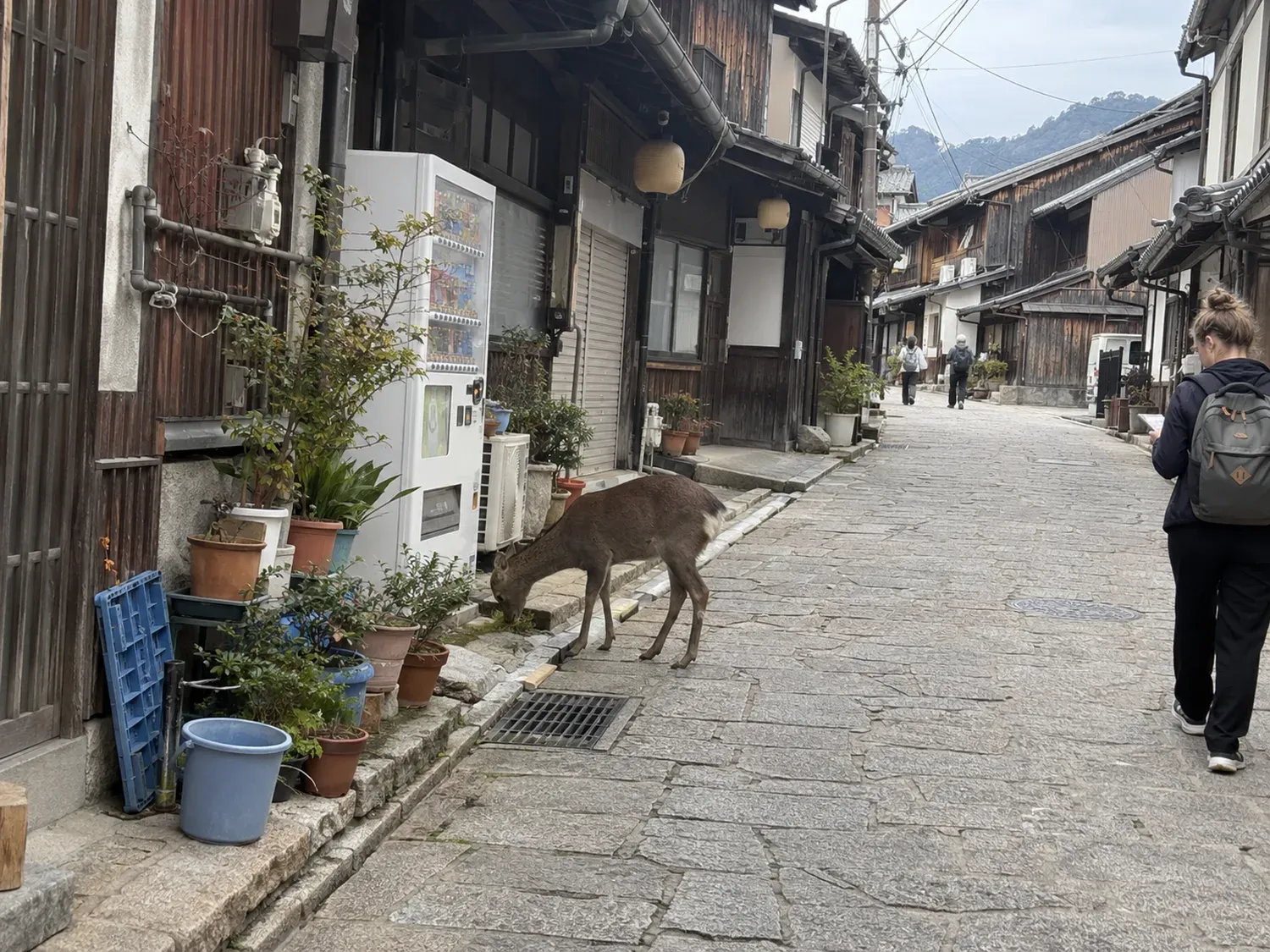
Where to Stay広島の宿
For choosing where to sleep: Miyajima after dark and at dawn, the Peace Park, or the station
OpensCheck-in 15:00. The shrine's lights come on 30 minutes after sunset.CostsNo room rates listed; they change by the night.ClosedYou cannot enter the shrine while it is lit.Checked 6 October 2026
Read the guide
One thing that could change your plan
Pick your Miyajima day from the tide table, not the calendar
You can walk out to the great torii of Itsukushima Shrine only when the tide drops below 100 centimetres. In daylight that happens on about one day in three, and on three or four days a month in December and January. If your dates are fixed, time your visit to high tide instead: above 250 centimetres the shrine stands over the sea, and in daylight the water gets there on more than four days in five.
Read the Itsukushima Shrine guideHow the day changes
Miyajima runs on the tide table as well as the clock, so fix that day first and fit the city around it. Times change with the season; the guides give the full tables.
Itsukushima Shrine opens at 6:30
The shrine opens at 6:30, every day of the year. Whether you can walk out to the great torii depends on the tide, not the hour: the water has to be below 100 centimetres. In the city, the Hiroshima Tourism Association says the Peace Memorial Museum is generally less crowded early in the morning and in the evening.
The castle’s Ninomaru opens
Hiroshima Castle’s Ninomaru opens at 9:00 and is free; shoes come off inside. The keep beside it can no longer be entered.
Last entry at the castle, closing at the shrine
The Ninomaru takes its last visitors at 17:00 from April to September, 16:00 from October to March. Itsukushima Shrine closes at 18:00 from 1 March to 14 October, and at 17:00 or 17:30 the rest of the year (1–3 January differ).
The torii is lit, and the shrine is closed
The great torii and the shrine buildings are lit on most evenings from 30 minutes after sunset until 23:00. While the lights are on, the shrine cannot be entered, so walk its corridors in daylight.
Before you go
- Open the tide table before you book the ferry. The Miyajima Tourist Association publishes the tides month by month, with the height beside each time. Low tide alone is not enough: you can walk out only below 100 centimetres, and in December and January that happens in daylight on three or four days a month.
- The castle keep is closed. Hiroshima Castle’s keep can no longer be entered; it is seen from outside only. The free Ninomaru, wooden inside, is the part you can go into.
- Check the museum’s hours yourself. The Peace Memorial Museum’s regular admission is ¥200, but we could not check its hours or closing days. Look at the museum’s own website before you go.
- On 6 August, come early and by public transport. The Peace Memorial Ceremony is held in the park from 8:00 to 8:50. Anyone may attend, but the city says the general seats are usually full soon after 7:00, and traffic restrictions apply on the roads around the park.
Each card shows the date its official pages were checked.