Hakone travel guide
Hakone: what to see and when to go
The Hakone Ropeway crosses the steam of Owakudani and ends at Tōgendai on Lake Ashi, where the pirate ships leave. Hakone Shrine is a 10-minute walk from Moto-Hakone port, and on the 13th of each month its own boat crosses the lake.
We have not visited these places in person. Everything here comes from official and tourism-association pages, and each card says when we checked them.
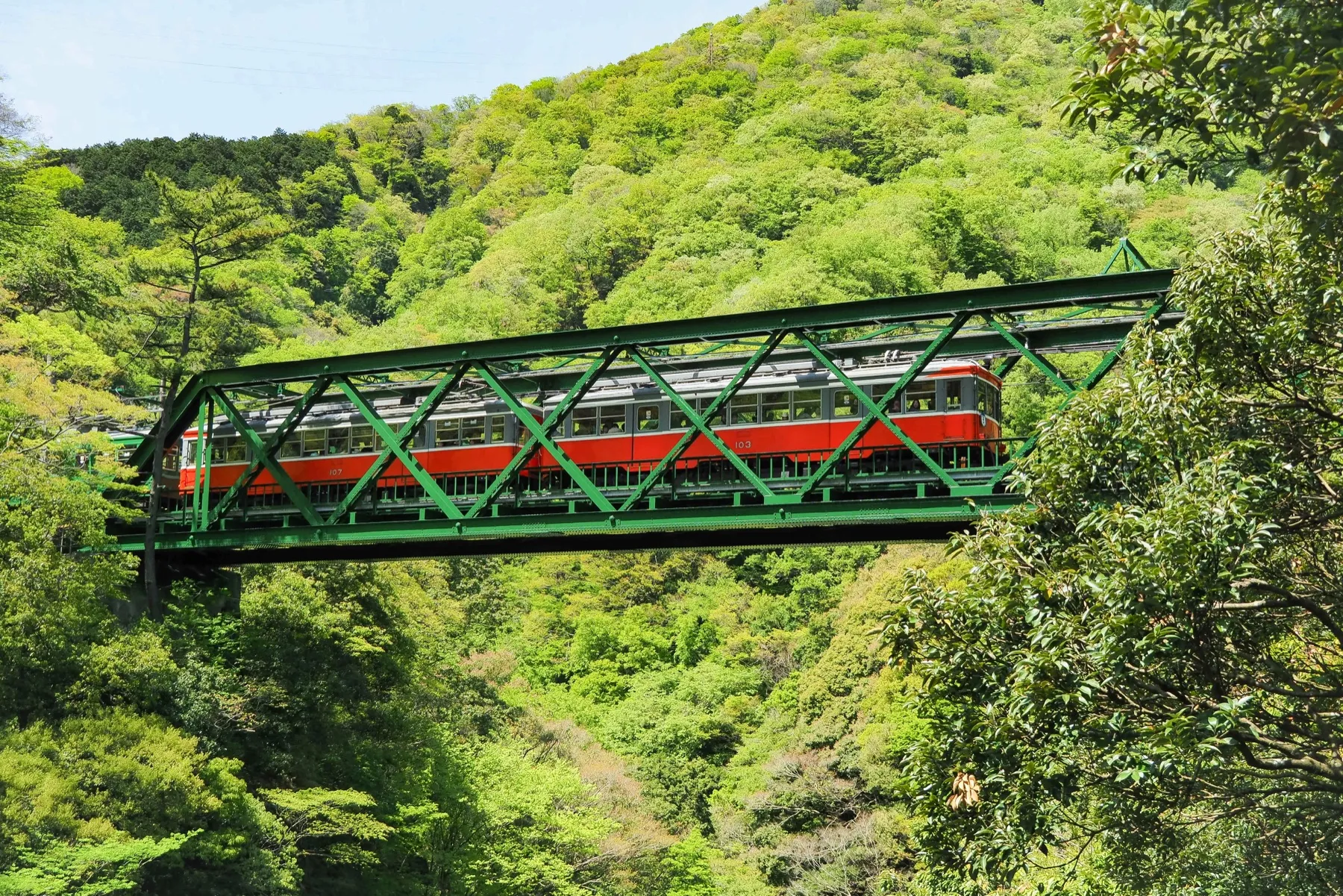

What to see in Hakone
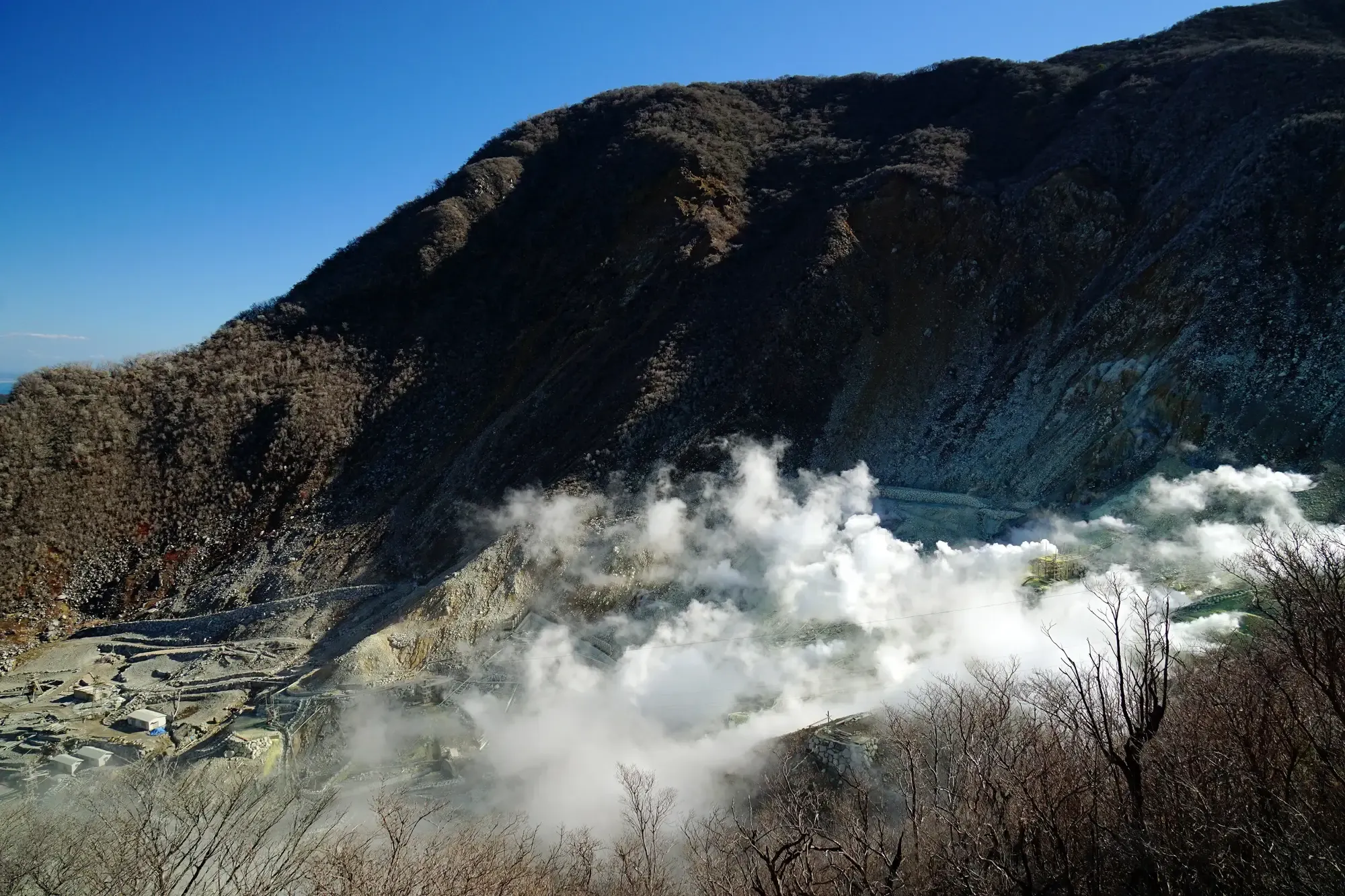
Owakudani大涌谷
For the steaming ground itself, on one of four guided walks a day
OpensGuided walks 10:00, 11:30, 13:00, 14:30. Ropeway 9:00–17:00 (Feb–Nov), 9:00–16:15 (Dec–Jan).CostsGuided walk ¥800, cashless only.ClosedThe ropeway and paths can stop for volcanic gas or bad weather.Checked 25 September 2026
Read the guide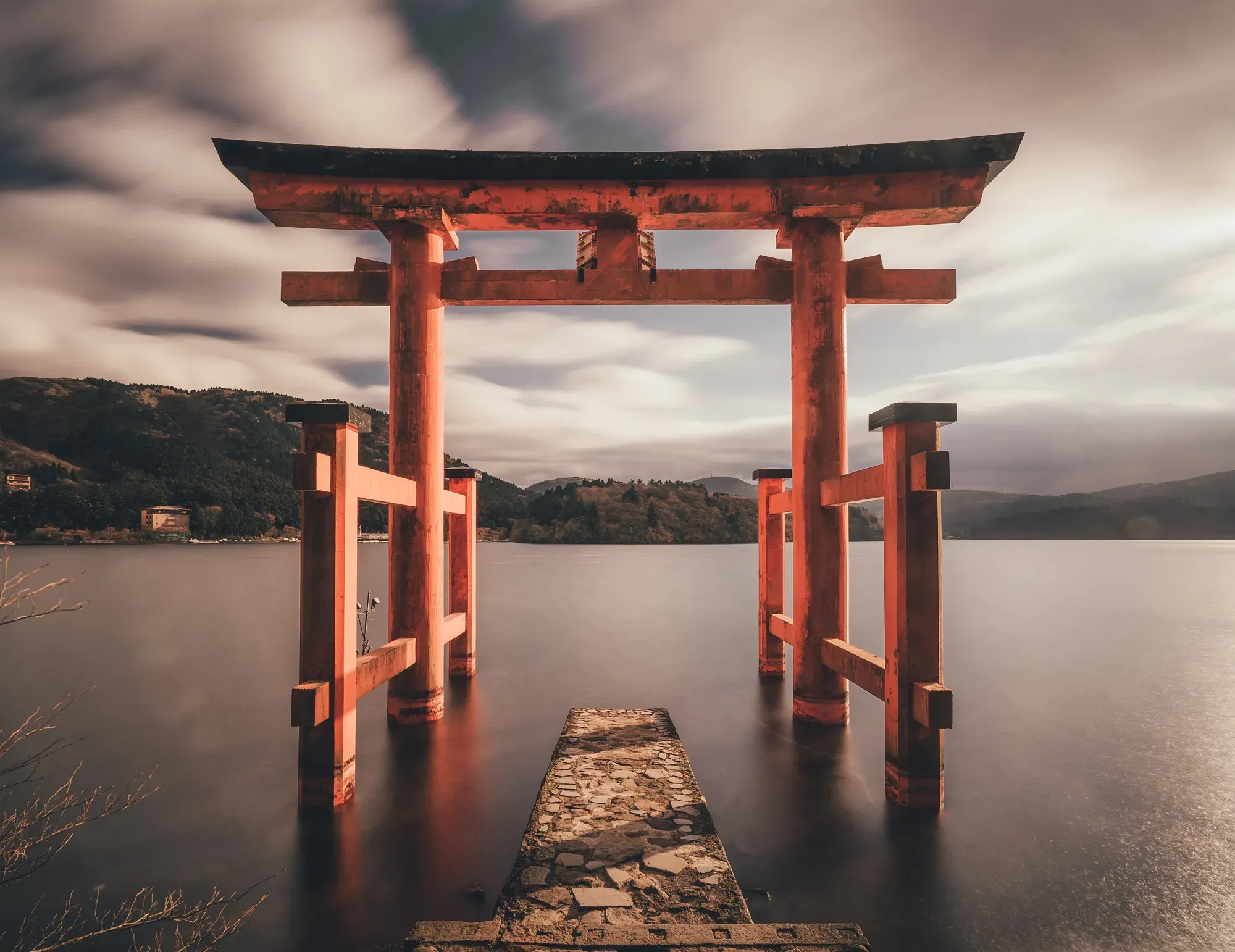
Hakone Shrine箱根神社
For the dragon shrine across the water, reached by the shrine’s boat on the 13th
OpensTreasure house 9:00–16:30. Kuzuryu forest 9:00–17:00, last entry 16:30.CostsKuzuryu forest ¥600; treasure house adults ¥500.Checked 26 September 2026
Read the guide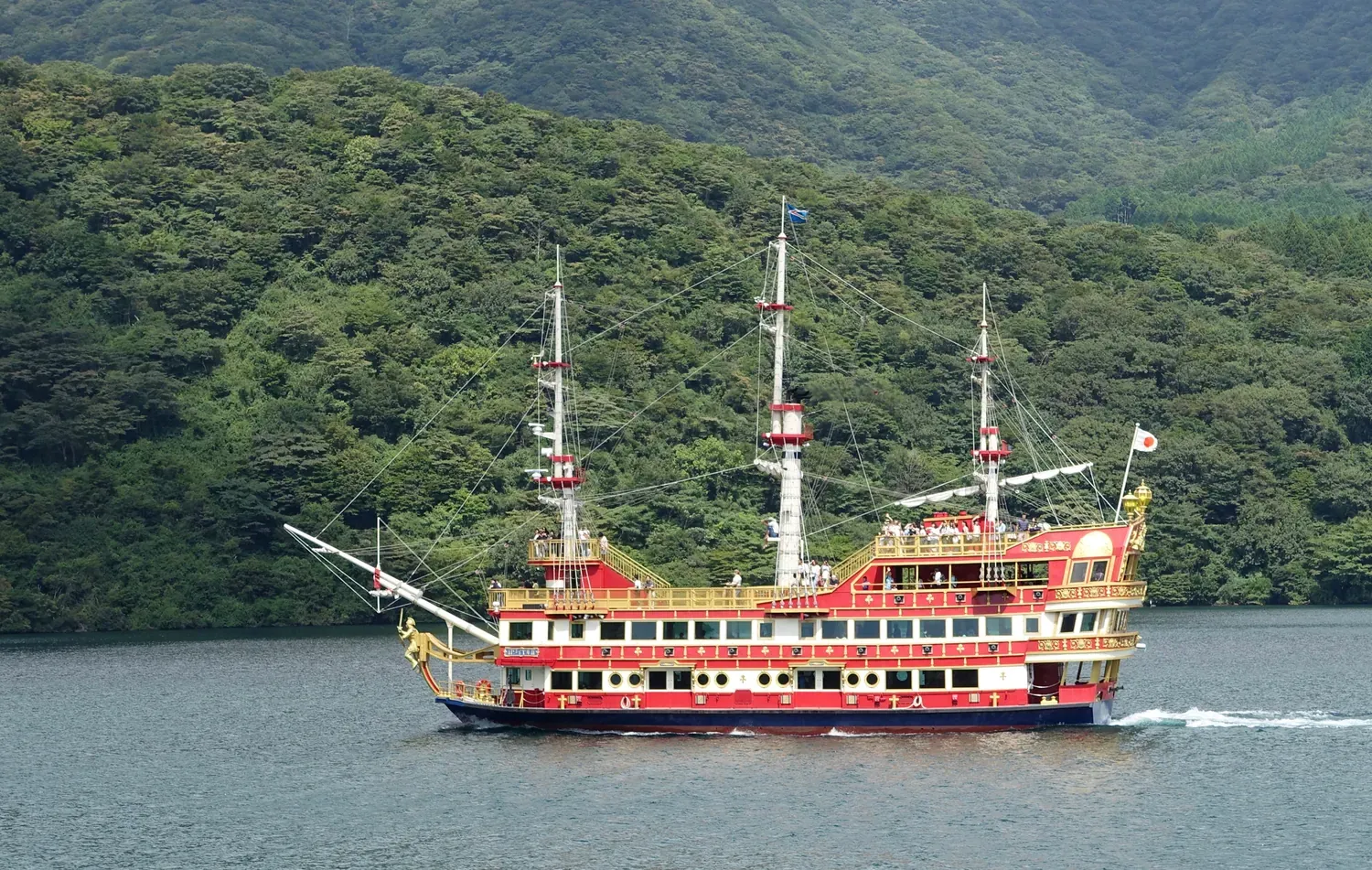
Lake Ashi芦ノ湖
For a one-way crossing between a caldera wall and old lava, and a walk under the cedars
OpensHakone Sekisho 9:00–17:00 (Mar–Nov), 9:00–16:30 (Dec–Feb).CostsPirate ship one way ¥1,700; Hakone Sekisho adults ¥500.ClosedBoats can change or stop in fog or strong wind.Checked 26 September 2026
Read the guide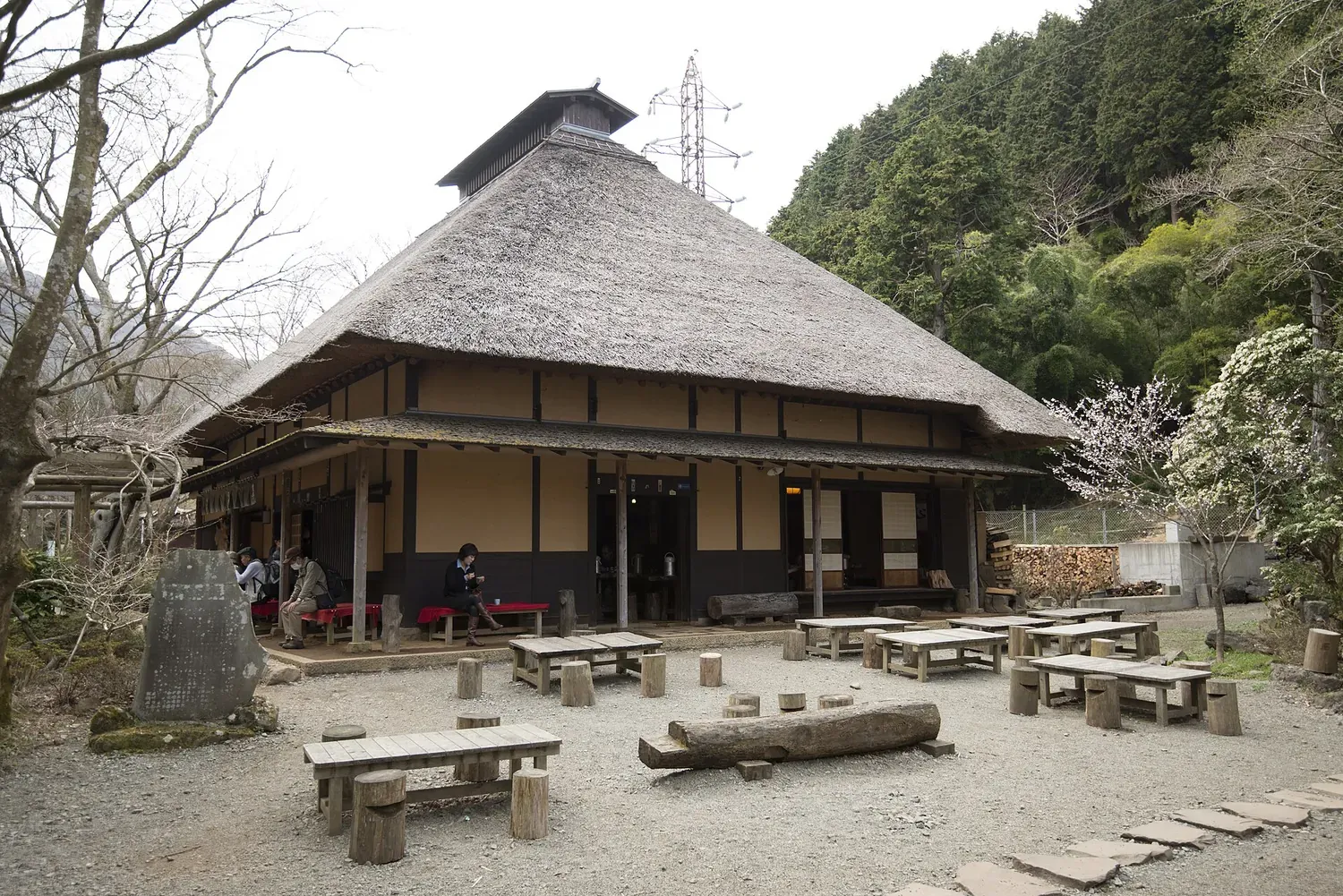
Amazake-chaya甘酒茶屋
For a walk on the Edo stone road and a cup of sugar-free amazake at a thatched teahouse
Opens7:00–17:30 (last order 17:00), every day.CostsAmazake ¥500; chikara-mochi ¥600.Checked 26 September 2026
Read the guide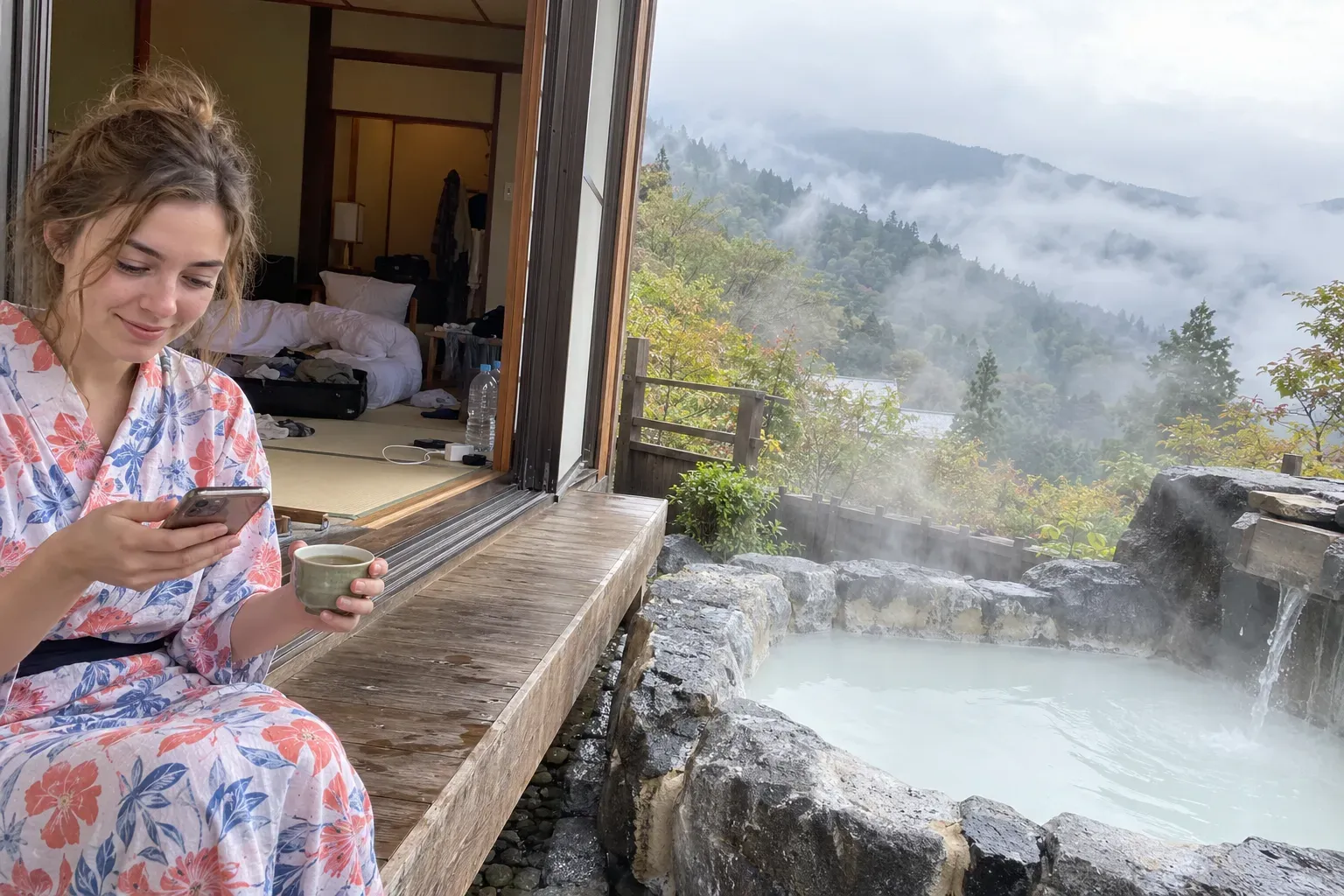
Where to Stay箱根の宿
For choosing where to sleep by the water you end the day in: Gora, Sengokuhara, Lake Ashi or Miyanoshita
OpensFrom Hakone-Yumoto: Gora about 35–40 minutes by train, Sengokuhara about 30 by bus.CostsNo room rates listed; they change by the night.ClosedCheck each inn's bath page for the kind of water it uses.Checked 8 October 2026
Read the guide
One thing that could change your plan
If Fuji hides over Lake Ashi, read the two shores instead
Lake Ashi formed about 3,000 years ago, when Kamiyama collapsed and blocked the Hayakawa River. Its west shore is the steep inner wall of the caldera, its east shore lava from the younger mountains. And except at times such as heavy rain, none of its water flows into the Hayakawa: it leaves west through a 1,280-metre tunnel dug by hand between 1666 and 1670.
Read the Lake Ashi guideHow the day changes
Owakudani and Lake Ashi both answer to the weather: volcanic gas can stop the ropeway, and fog or strong wind can change a boat. Check Hakone Navi’s live status that morning.
The teahouse on the old road opens
Amazake-chaya opens at 7:00 every day of the year. The K line bus from Hakone-Yumoto stops at its door in about 23 minutes, and runs on to Moto-Hakone, so you can walk the stone road from the lake and ride from the teahouse.
The ropeway starts
The Hakone Ropeway runs from 9:00, until 17:00 from February to November and 16:15 in December and January. From Sōunzan it climbs over Owakudani and comes down to Tōgendai on Lake Ashi, where the pirate ships leave.
The shrine’s boat to the Honmiya
On the 13th of each month a boat leaves Moto-Hakone at 9:20 for the 10:00 rite at Kuzuryu Shrine Honmiya. Register between 8:00 and 9:05 outside the Moto-Hakone office of the Lake Ashi sightseeing boats. A prayer is not required.
Owakudani’s guided walks
Walks start at 10:00, 11:30, 13:00 and 14:30, 30 people each. Check in at least 20 minutes before; each walk is confirmed only 30 minutes before it starts.
Last entries
Hakone Shrine’s treasure house takes visitors until 16:00, and the Kuzuryu forest until 16:30. Hakone Sekisho takes its last visitors 30 minutes before closing: 16:30 from March to November, 16:00 from December to February.
Before you go
- Book the Owakudani walk before anything else. It is the only way onto the steaming ground: four walks a day, 30 people each, booked online, 800 yen and cashless only. Plan the ropeway around the slot you get.
- With asthma or a heart condition, start from Lake Ashi. The ropeway operator says people with asthma, lung or heart disease, a pacemaker, or who feel unwell cannot ride between Sōunzan and Ubako, the section over the valley.
- Buy the pirate ship one way. A one-way ticket from Tōgendai does not let you get off at a port in between. With the Hakone Freepass you can get on and off as you like.
- Plan around the 13th if you can. That morning Hakone Shrine’s boat crosses to the Kuzuryu Honmiya, and the forest gate is free for worshippers.
- Walk only part of the old road. The stone route from Yumoto to the lake is 9.5 km, but the K line bus stops at Amazake-chaya and Hatajuku, so you can walk a stretch and ride the rest.
Each card shows the date its official pages were checked.