Japan travel guides
Discover the Japan you haven’t seen yet.
From iconic places to details worth knowing before you go. Independent travel guides checked against official Japanese and English sources.
Japan travel guides
From iconic places to details worth knowing before you go. Independent travel guides checked against official Japanese and English sources.
We cover a few places properly before moving on to the next.
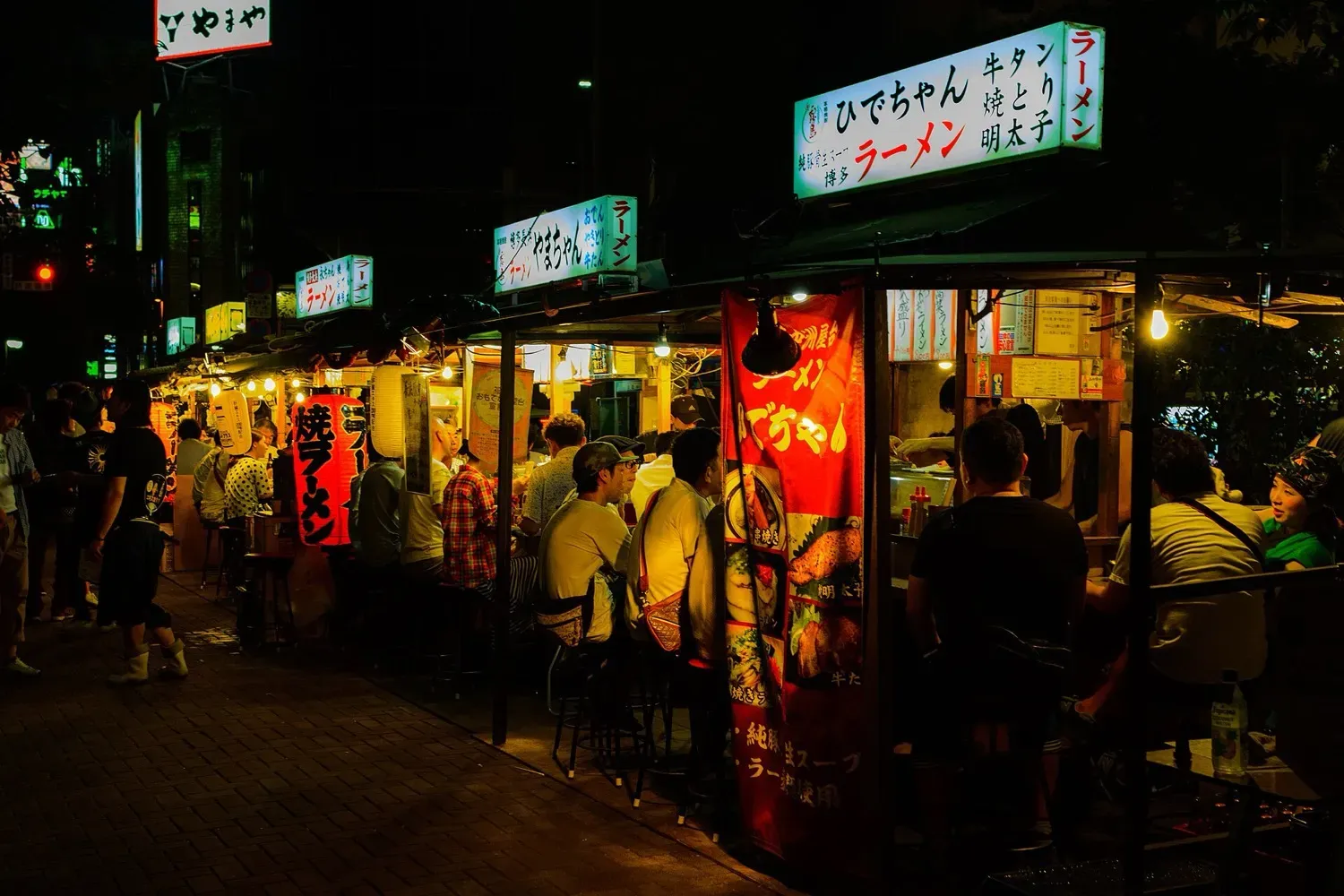
Five places in and around Fukuoka, each with a catch worth knowing first: yatai stalls that most often take Sunday off, a festival float that stays up everywhere except in June, a shrine hall that visitors can pray in front of again after about three and a half years, canal boats run by seven companies from different landings, and a town where the bowl said to have started tonkotsu ramen is a lunch and almost every yakitori place a dinner.
5 place guides →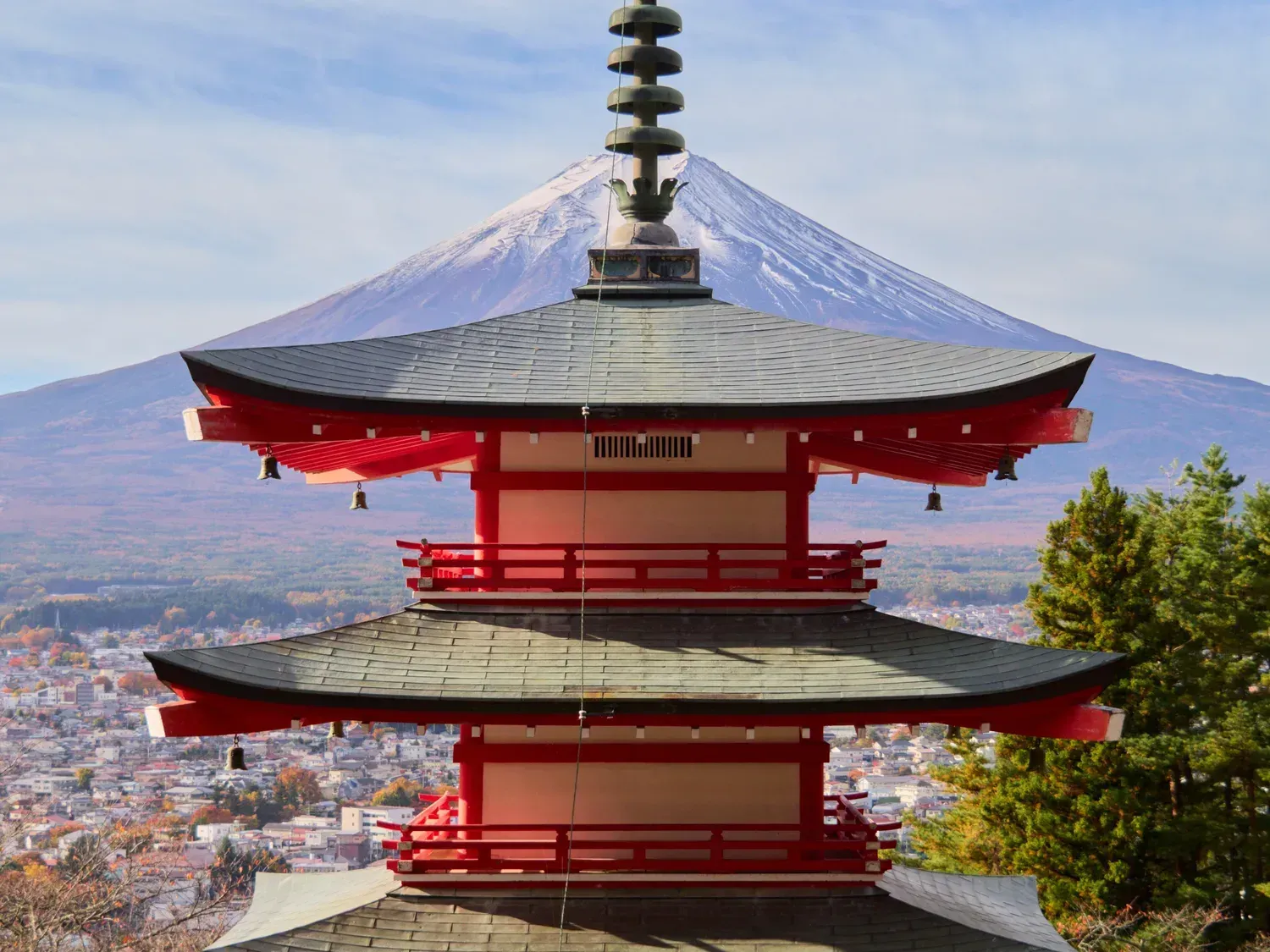
Four places around Mount Fuji, each asking something of the visitor: a vermilion pagoda that is the city’s memorial to its war dead, eight spring ponds where you are asked to keep your coins, a lakeside park where the town once hung a black screen in front of a convenience store, and udon shops that mostly close in the early afternoon.
5 place guides →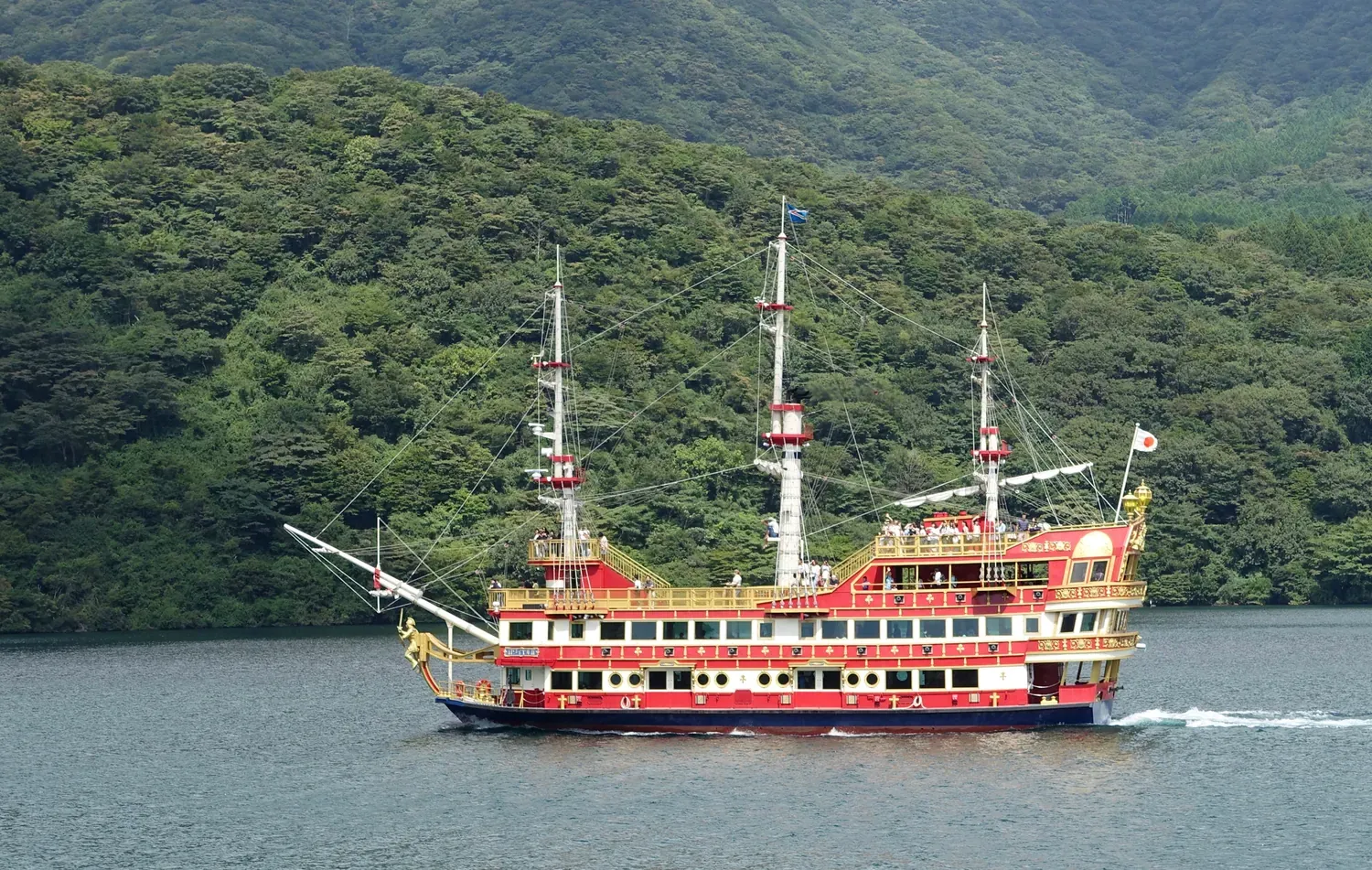
A steaming valley you can walk into only four times a day, a dragon shrine reached by boat on the 13th, a lake made by a falling mountain, and a thatched teahouse on the old stone road that opens at 7:00 every day.
5 place guides →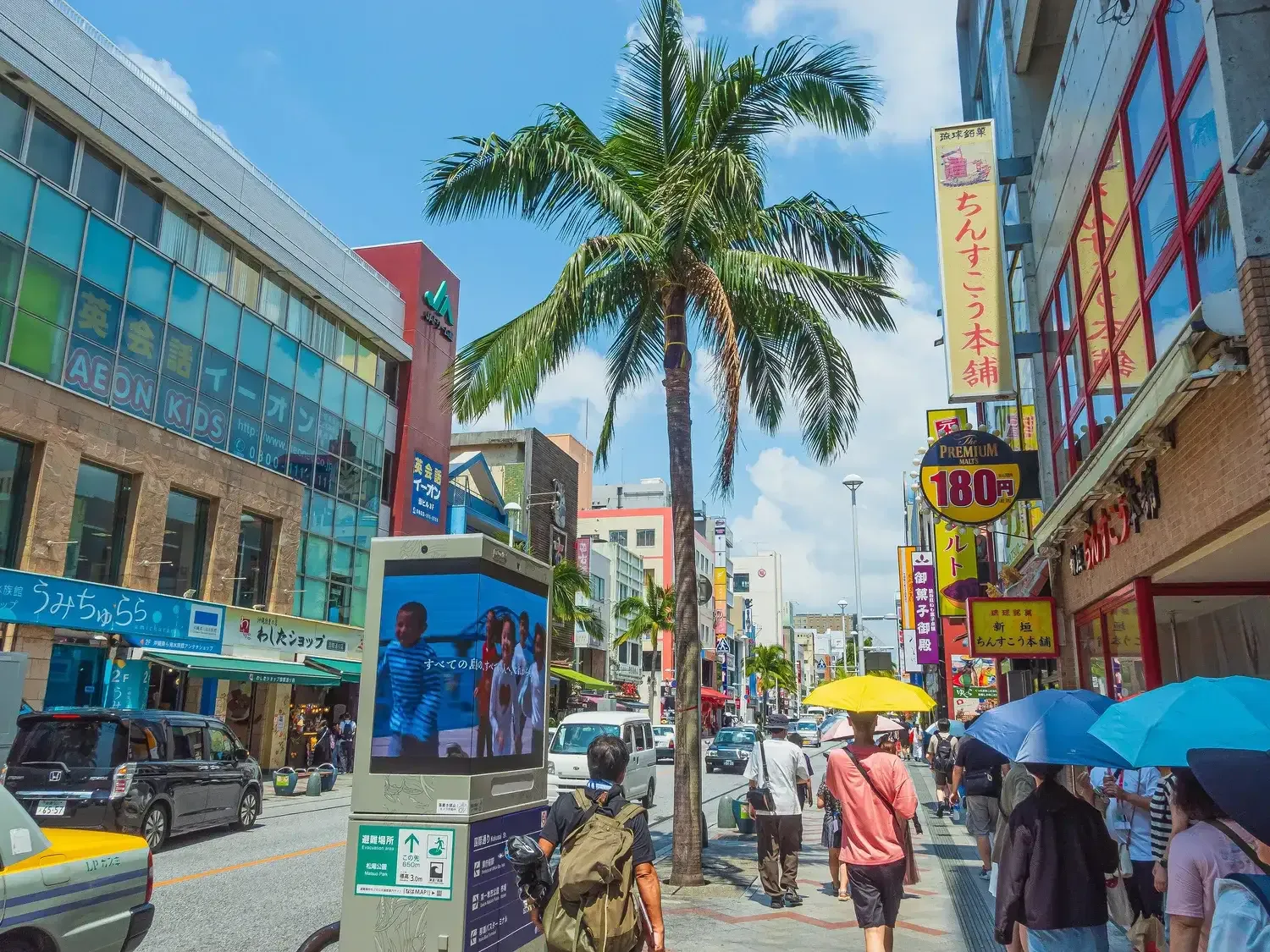
Three places on three different clocks: a market where you buy the fish downstairs and a diner cooks it upstairs, a castle whose paid area costs 400 yen until 21 November 2026 and 1,000 yen from 23 November, and a potter’s house that opens only on Friday-to-Sunday and holiday afternoons.
5 place guides →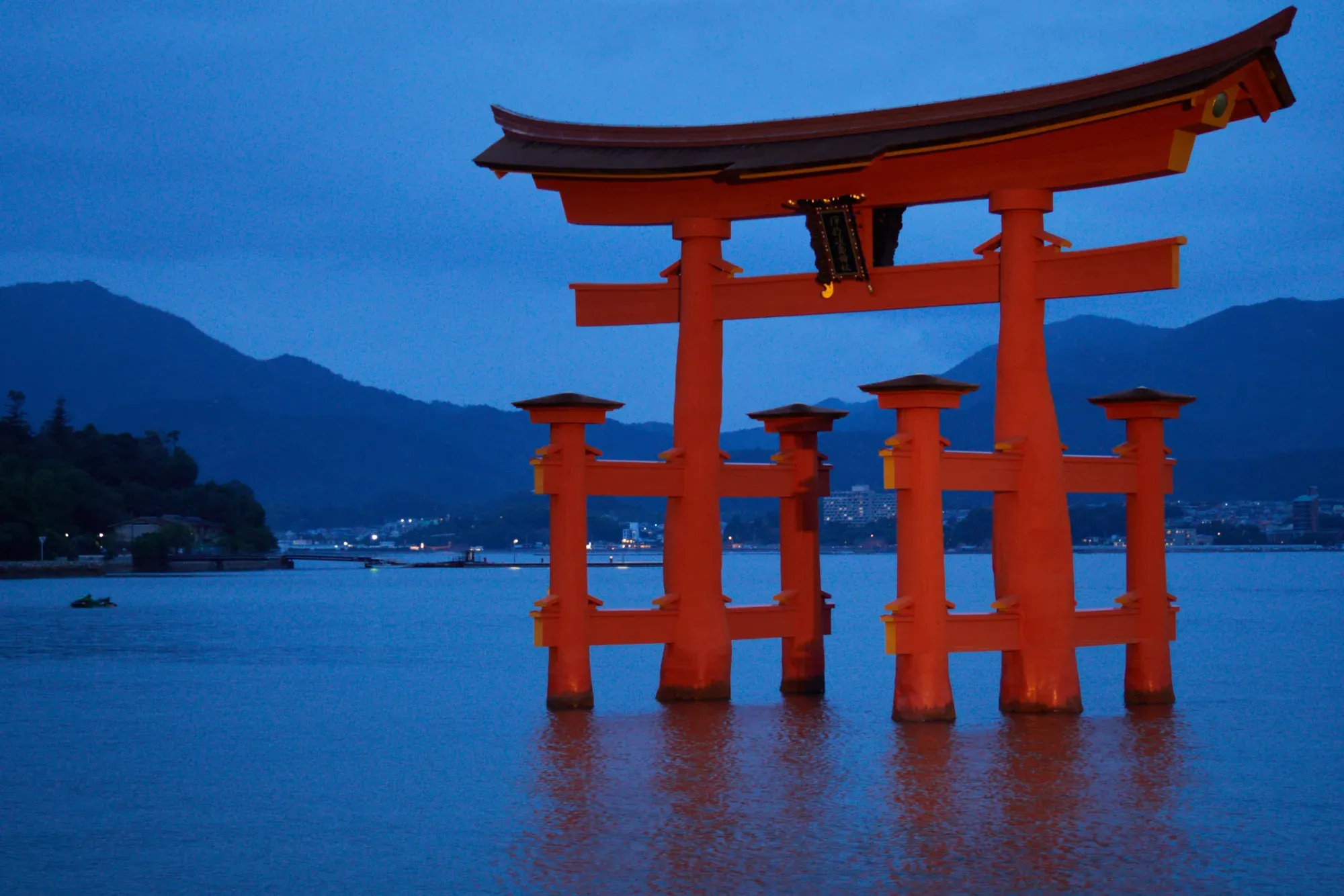
The A-Bomb Dome and Hiroshima Castle, about 18 minutes apart on foot, and an island shrine where the tide table, not the calendar, decides the day — and, by JR Saijo Station, a sake town whose station street opens at five.
5 place guides →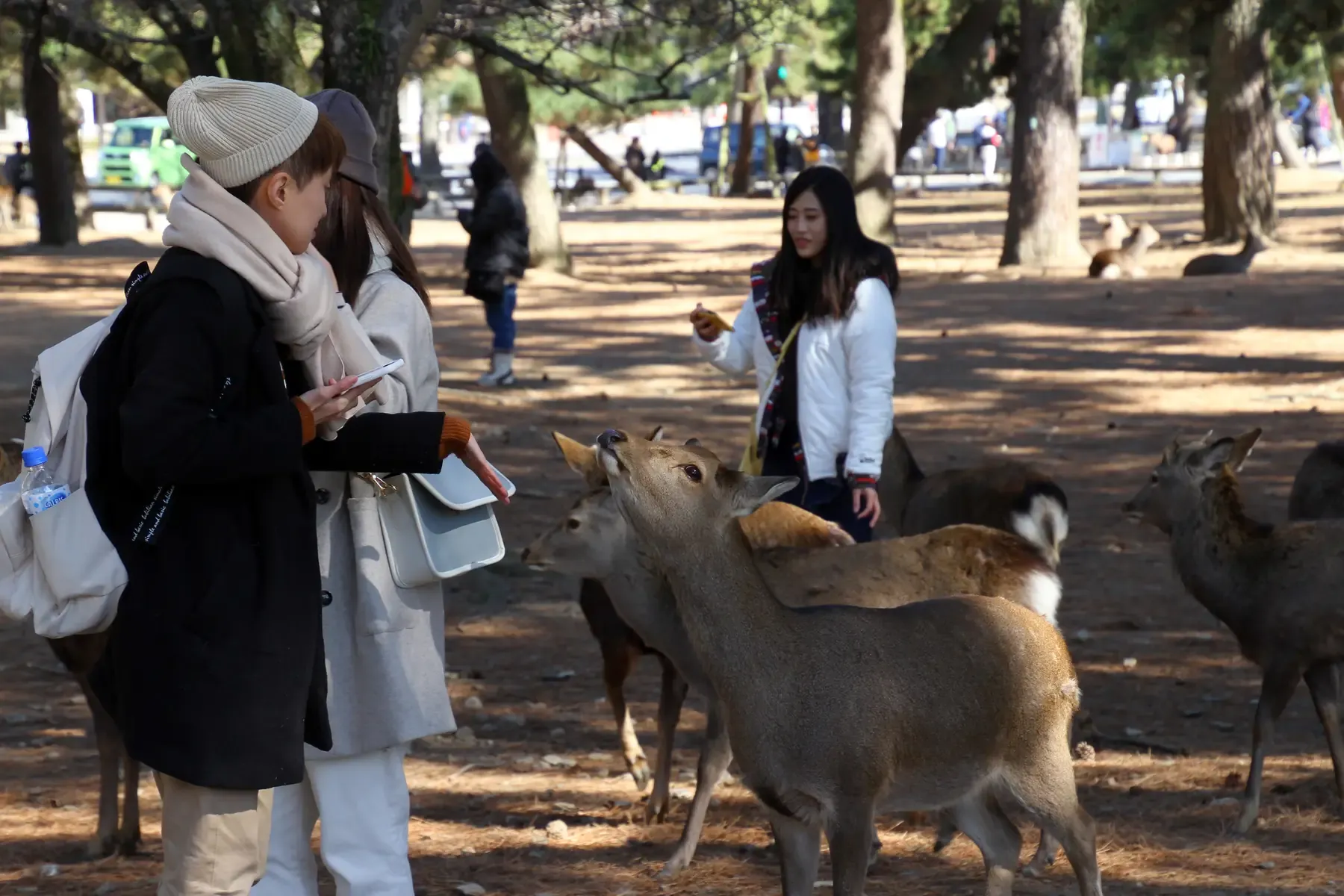
Three places within a walk of each other, where the earliest gate opens at 6:30 and charges nothing, and the park in the middle publishes no hours at all — and, by Kintetsu Koriyama Station, a goldfish shopping street whose sake brewery serves no food.
5 place guides →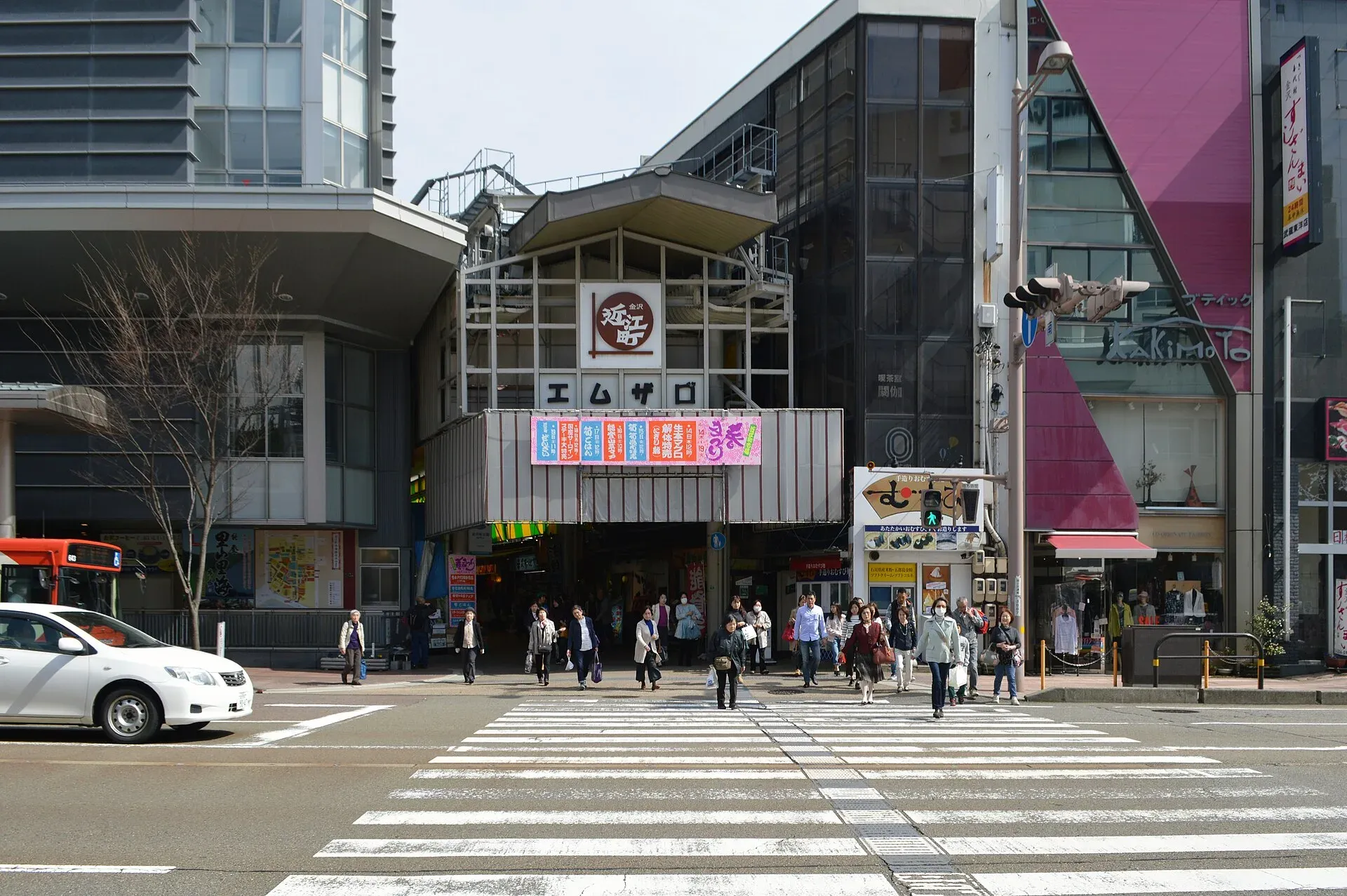
Three places within minutes of each other, and a morning decided by opening hours rather than distance — and, in Komatsu on the same Shinkansen line, an udon counter under the station tracks that closes at three.
6 place guides →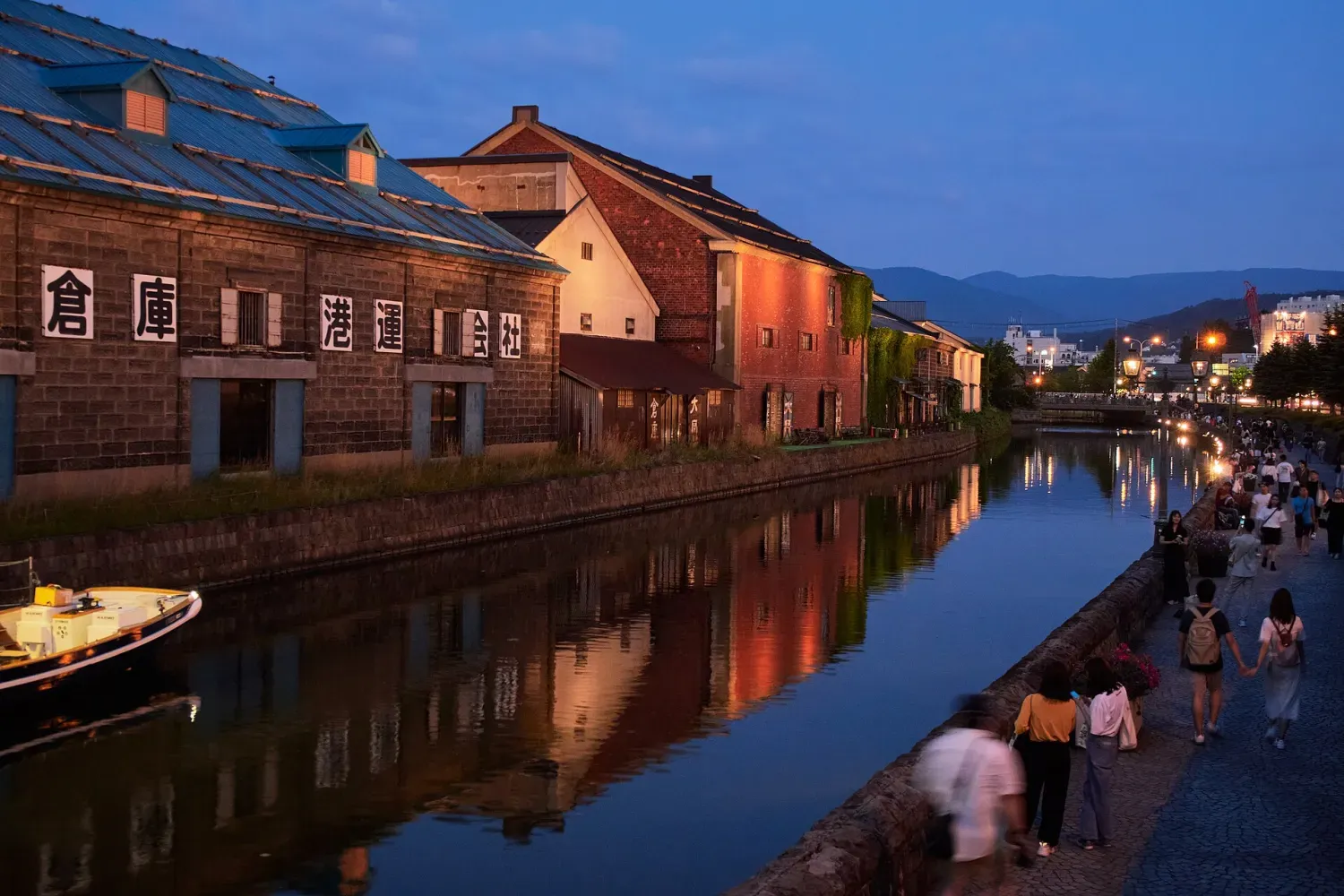
A canal that turns royal blue just after sunset, a red-brick museum you can walk in English from the top floor down, and a hot-spring town where a kappa's hand bath never closes.
6 place guides →Choose an area to see its cities and the places we've written guides for.
Useful things to know before you go.
Of the yatai on the city tourism site that keep a fixed weekly day off, about two in three take Sunday. Of the 63 the site marks as open on a Sunday, 35 are in Tenjin and 20 in Nakasu, so if your night falls on a Sunday, Tenjin gives you more curtains to try. Stalls can also close without notice for rain or strong wind, and three listings give conflicting days.
Read the guide →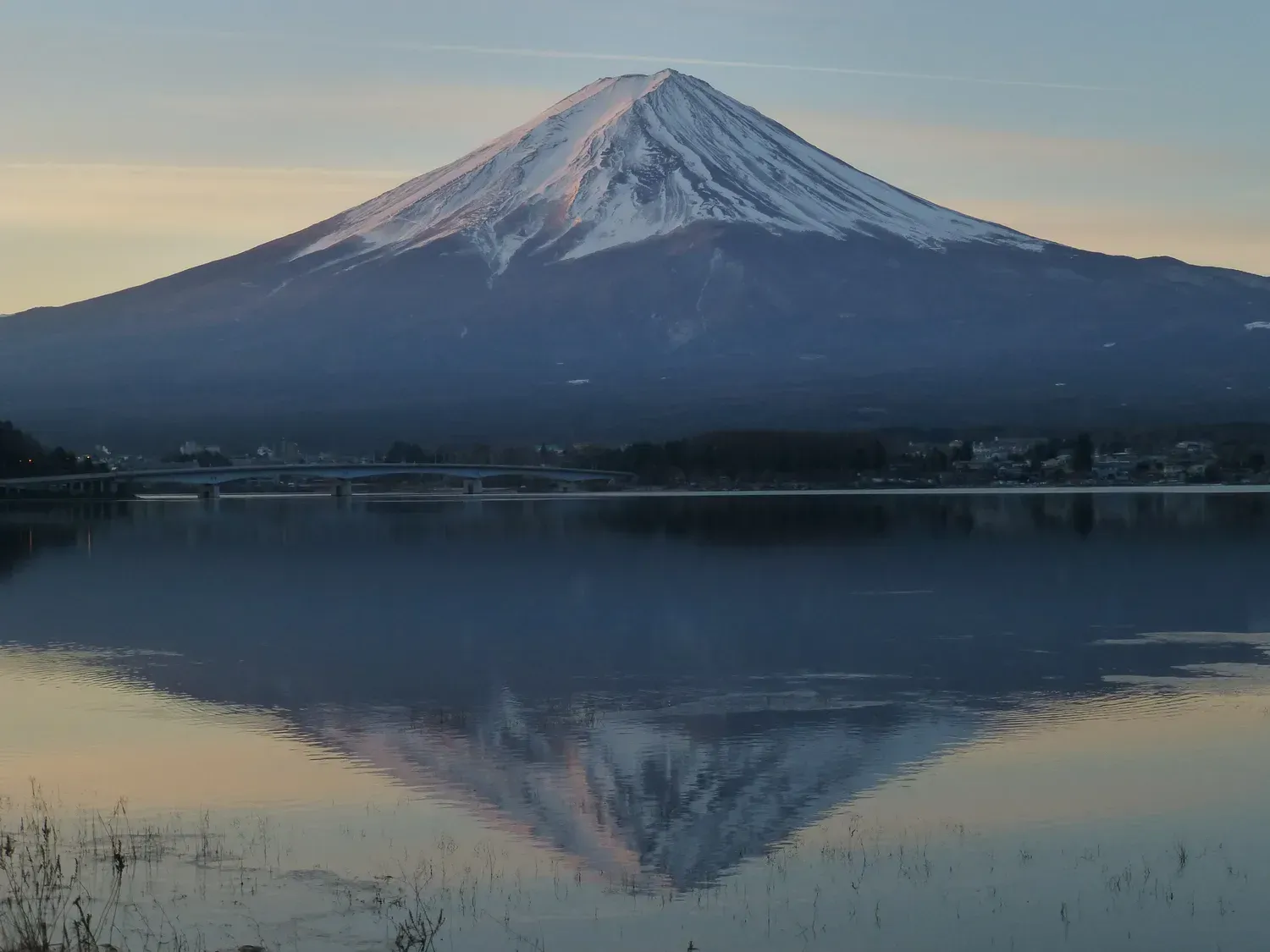
The Mount Fuji picture above a convenience store near Kawaguchiko Station drew so many people onto the pavement and road that, in 2024, the town hung a black screen in front of the shop. Oishi Park on the north shore is the place to go instead: it is free, open at all times, and Fuji stands across the water. The local tourism federation says people start to gather from around ten, so an early bus gives you a good chance of having the park before the busiest part of the day.
Read the guide →Lake Ashi formed about 3,000 years ago, when Kamiyama collapsed and blocked the Hayakawa River. Its west shore is the steep inner wall of the caldera, its east shore lava from the younger mountains. And except at times such as heavy rain, none of its water flows into the Hayakawa: it leaves west through a 1,280-metre tunnel dug by hand between 1666 and 1670.
Read the guide →In-depth guides to help you decide what to see, when to go and what to know before you arrive.
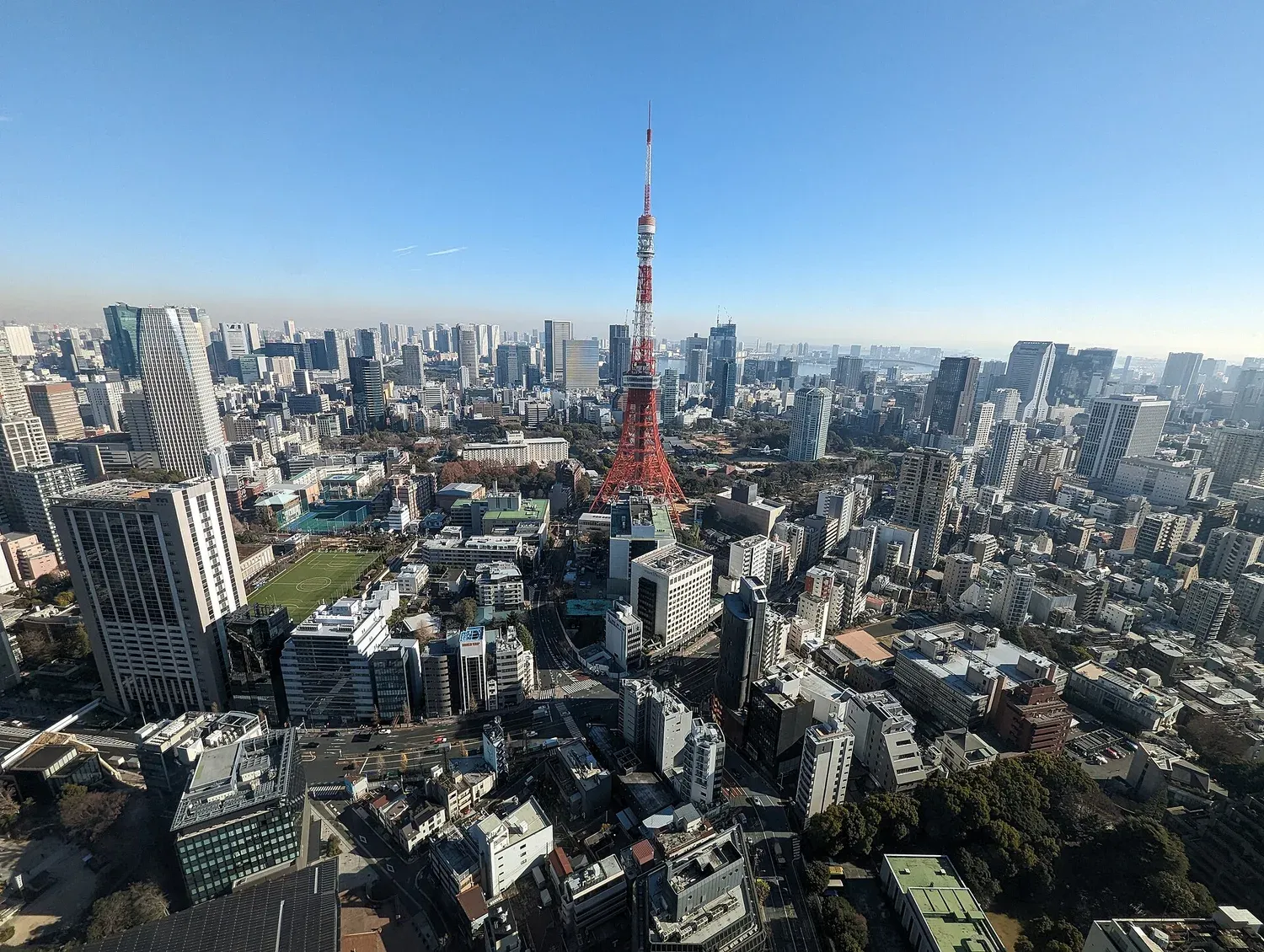
Use Skytree to look out over Tokyo and Tokyo Tower to look at the tower itself: see it from Zojoji, then climb its outdoor stairs on a weekend.
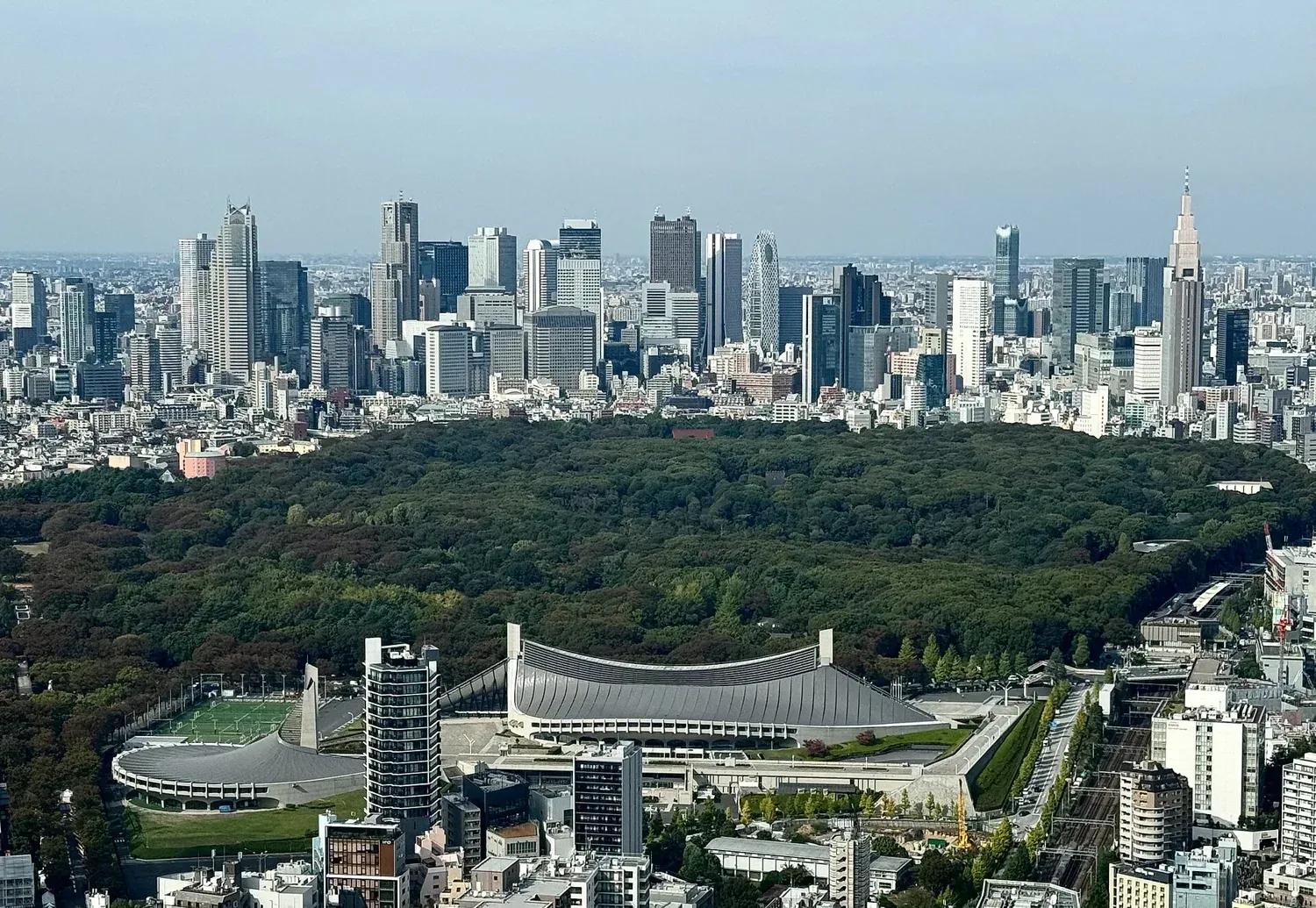
Meiji Shrine's forest was planted by hand, and the prime minister wanted cedar.
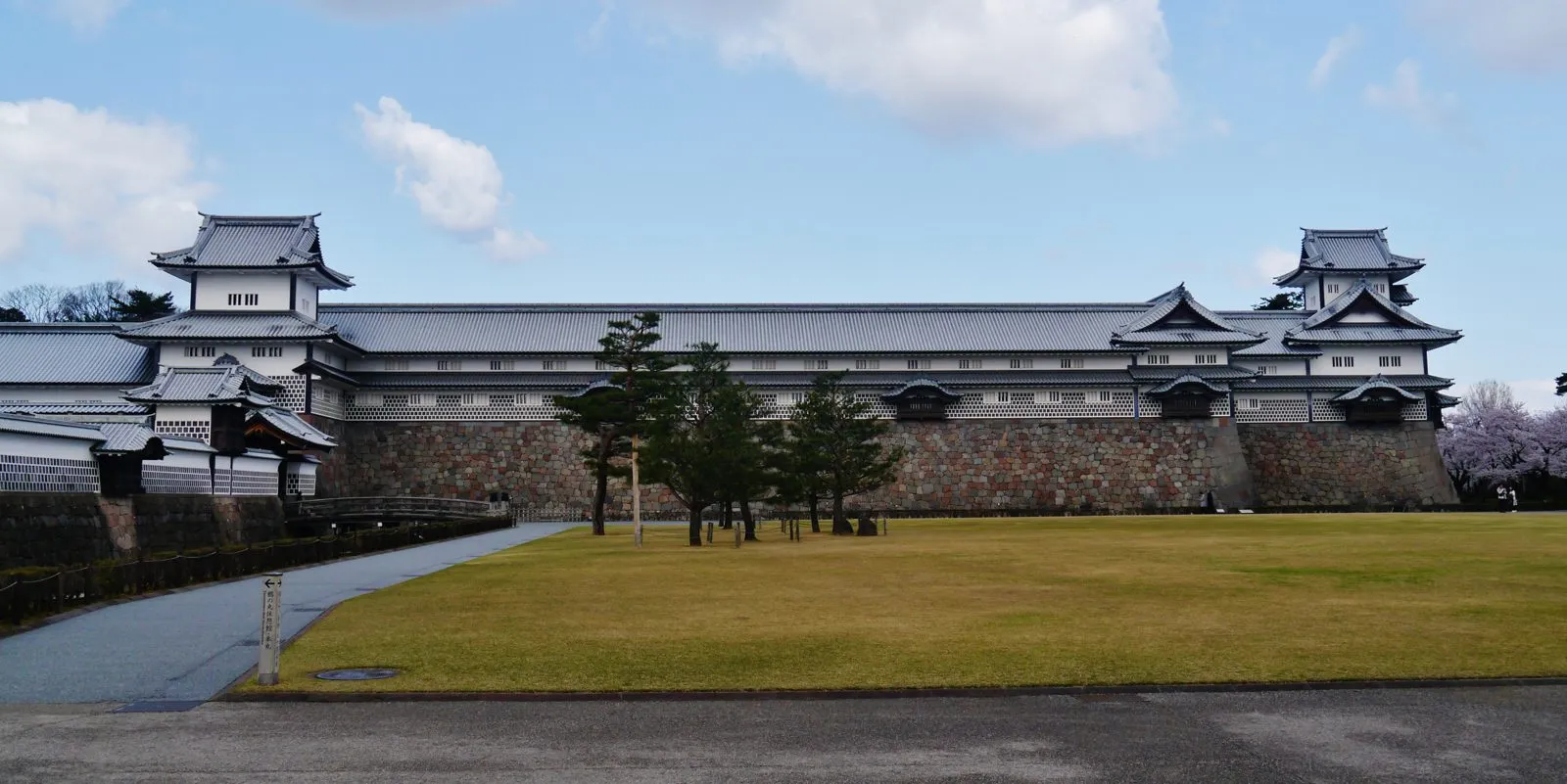
Stones recovered from Kanazawa Castle's walls after the 2024 earthquake are washed, measured and stored in the Imori moat garden, to go back, as a rule, to their own places.
Practical details are checked against official Japanese and English pages.
Opening hours, closures and other time-sensitive details show when we last verified them.
If we haven't visited a place ourselves, we say so. No press trips, free stays or gifted tickets.