Tokyo / Stay
Where to Stay in Tokyo: Choose What You Want to See After Dinner
Where to Stay東京の宿
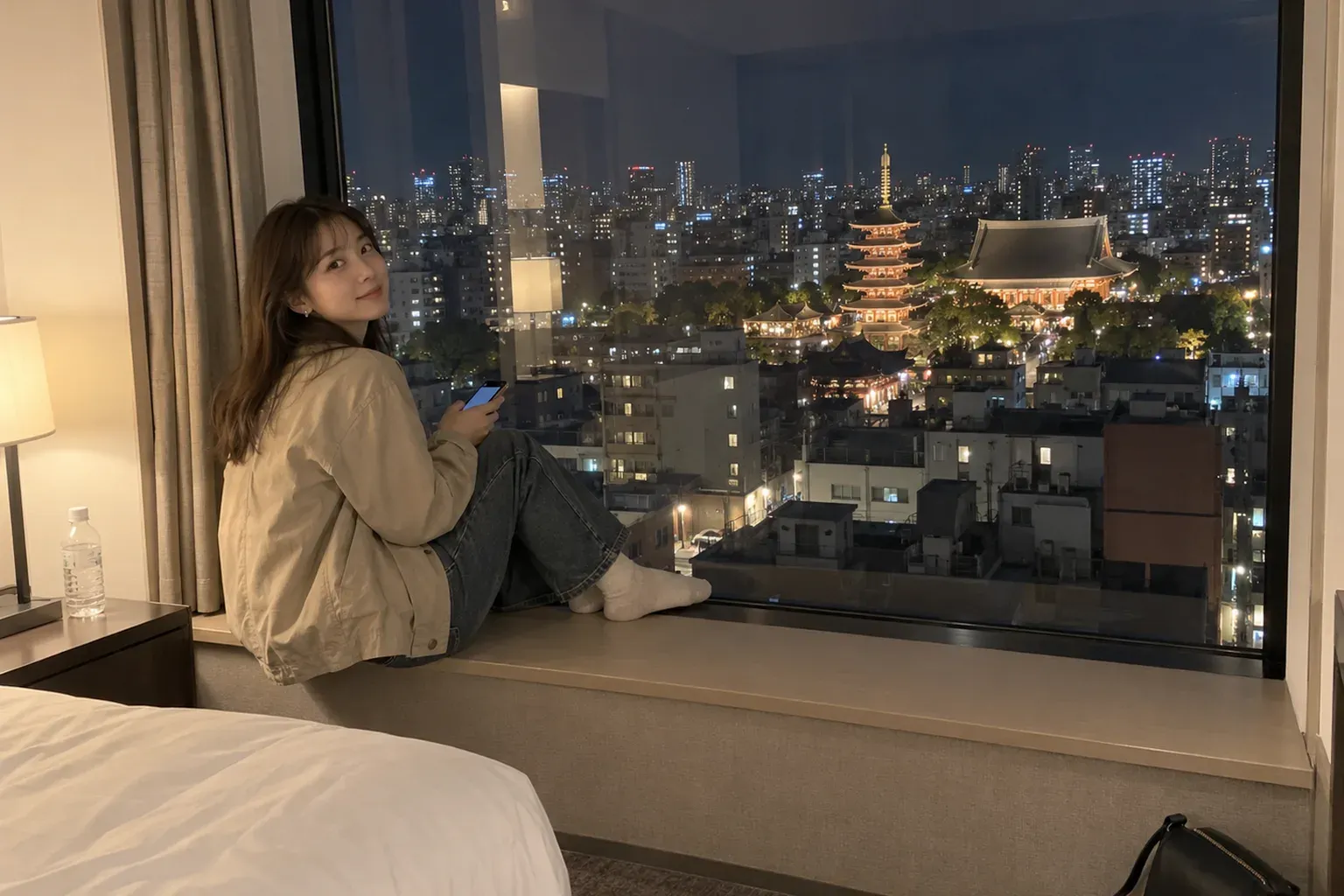
If you want Senso-ji’s gates and five-storey pagoda lit up after dinner, and its main hall early the next morning, sleep in Asakusa instead of across the city. What I like about it is simple: the temple becomes a short walk from your room, not a train ride home.
The rest of Tokyo works the same way. Where you sleep decides what is outside after dinner and before breakfast: a lit gate, a crossing under your window, Tokyo Tower over the trees, a palace moat, or a fish market waking up.
So choose the view first, then the hotel, then the room. Below are nine neighbourhoods, each with a short list of places to stay picked for different reasons, so you can find the evening and the morning you want:
- Asakusa — the temple lit after dark, a bell at six
- Ueno — a park open late, bells and a lotus pond
- Tokyo Station — a hotel inside the station, the palace gardens before breakfast
- Ginza and Tsukiji — city lights at night, a late breakfast at the outer market
- Shiba Park — Tokyo Tower from your bed
- Roppongi and Akasaka — the view from the top, a shrine and a garden at six
- Shibuya — the crossing below, Meiji Shrine at sunrise
- Shinjuku — towers at night, a garden from the breakfast table
- Odaiba and Toyosu — the bay at night, the tuna auction at dawn
If you want the temple after dark, sleep in Asakusa
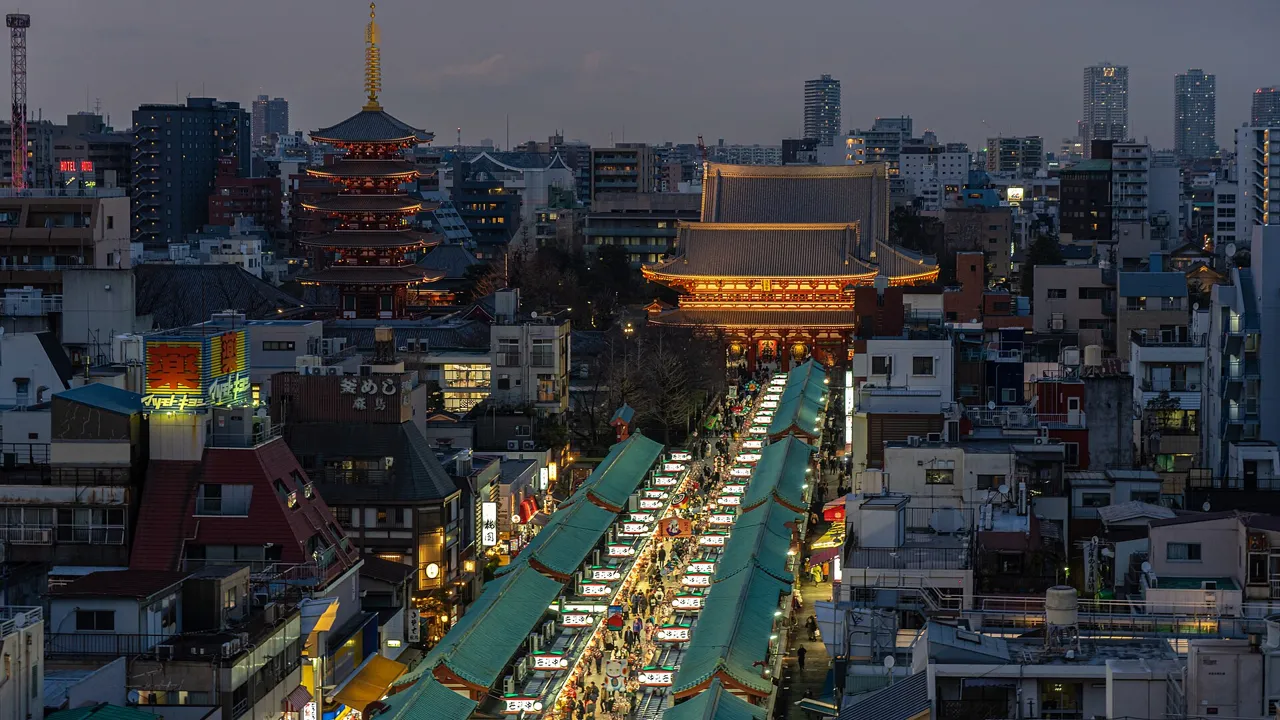
Senso-ji closes its main hall in the late afternoon, but it does not switch off. Every evening from sunset, the temple lights the main hall, the five-storey pagoda, Hozomon and Kaminarimon, and keeps them lit late into the evening.
The lights were the idea of the shopkeepers around the temple, part of the 400th anniversary of the founding of Edo, and the temple’s invitation is short: stop by the brightly lit temple at night. I like that the lights began with the neighbours.
The morning starts with a bell. At six, a monk strikes the bell on Bentenyama, one of the bells that told the hours to the city of Edo, and the main hall opens early in the morning. The bell was recast on a shogun’s orders, and it still wakes the same streets. If you want to walk the temple properly, here is Senso-ji from gate to hall.
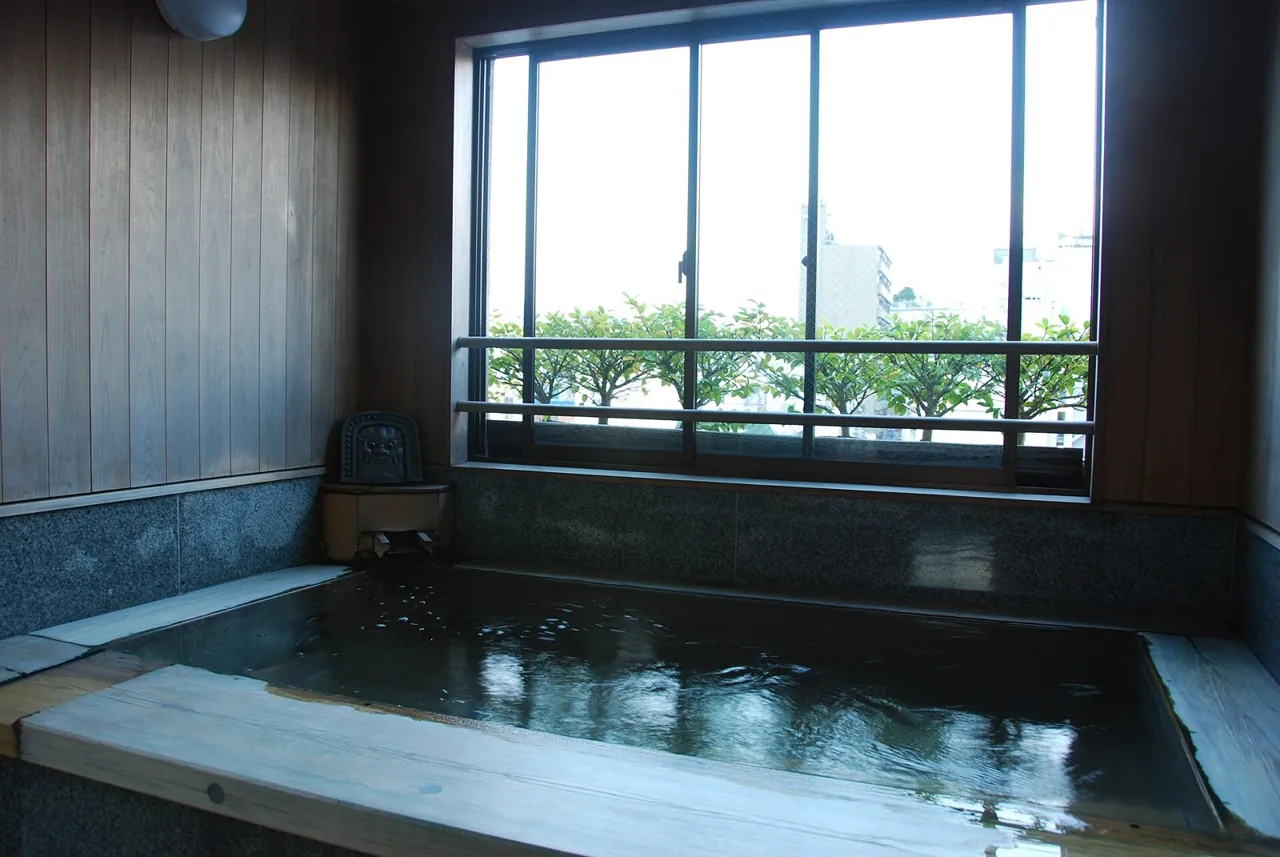
Ryokan Asakusa Shigetsu — for a bath with the pagoda. Shigetsu is a few steps off Nakamise, and it says that although it has grown taller, its welcome is still that of a small two-storey wooden inn. Its hinoki-wood bath is on the top floor. In the evening, the inn writes, you can watch the pagoda turn into a silhouette as the sky darkens, and in the morning Tokyo Skytree stands close at hand. Its Japanese suite has a balcony with the temple straight ahead and Skytree to the right. Of all the ways to see the pagoda after dark on this page, this is the one that tempts me most: from hot water, with nothing to do next. Before you book for that view, check the bath’s opening dates and the current outlook with the inn; see the notes below.
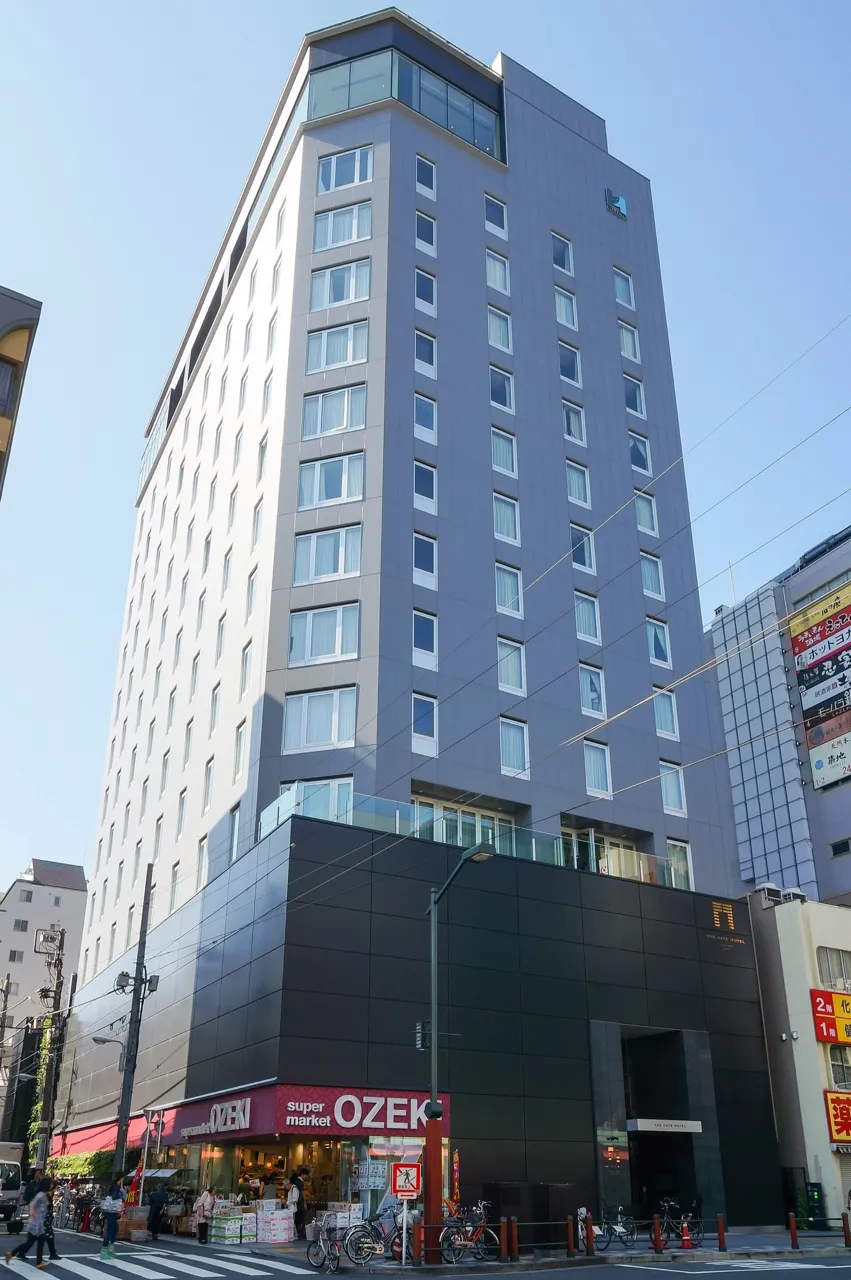
The Gate Hotel Kaminarimon by Hulic — for the rooftop and the design. The Gate sits a short walk from Asakusa Station, with its lobby high up on the 13th floor and a rooftop terrace and bar above it for guests only. From up there, the hotel says, you can watch the lights of the main hall and the pagoda at night, and on a clear day see Skytree reaching into the sky. Inside, the design is by Uchida Design Institute, and even the logo, by Taku Satoh, is drawn from the shape of a gate. Morning sun streams into the breakfast room; the dish the hotel names after the neighbourhood is the Asakusa tartine, on bread from Pelican, a local bakery. Its own line for mornings here is “The early bird gets the best of the three,” and it is the one line that would make me set an alarm.
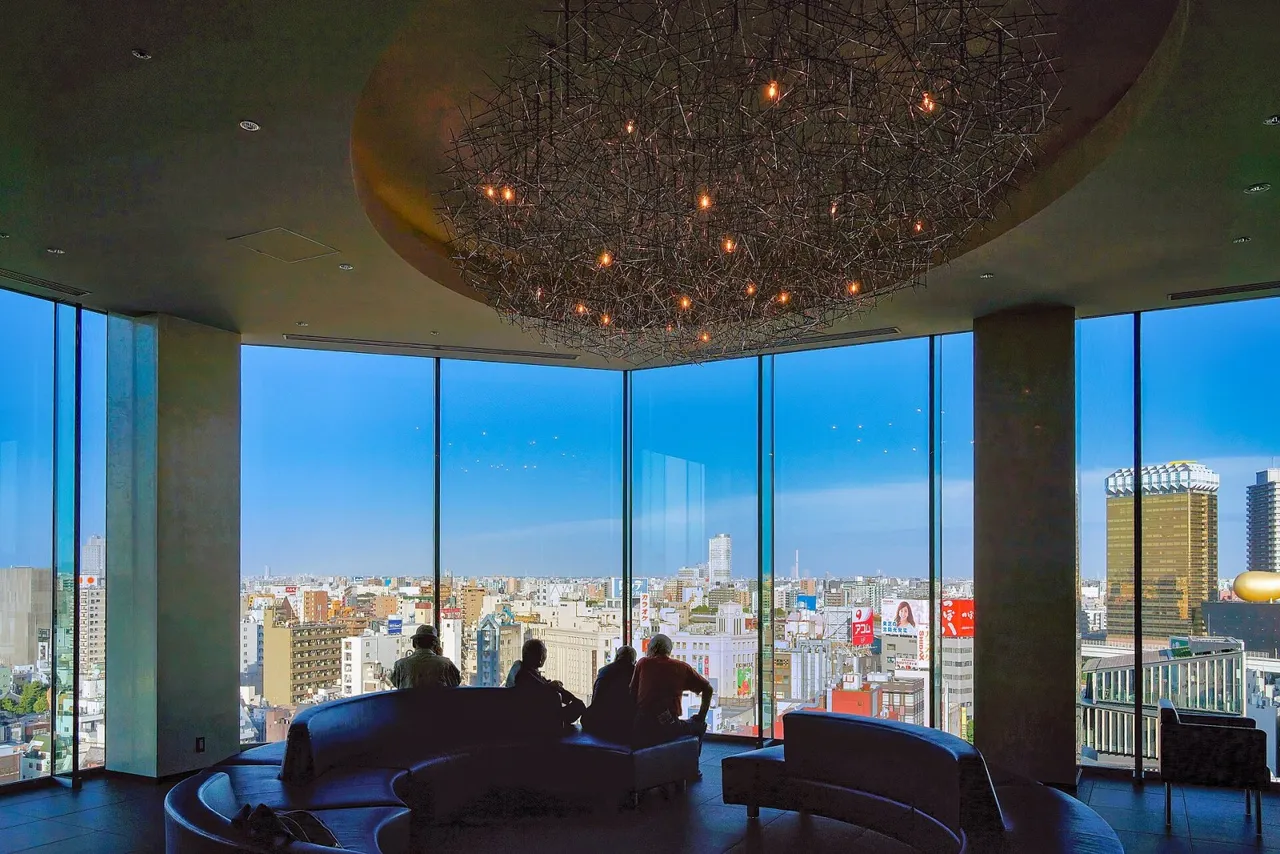
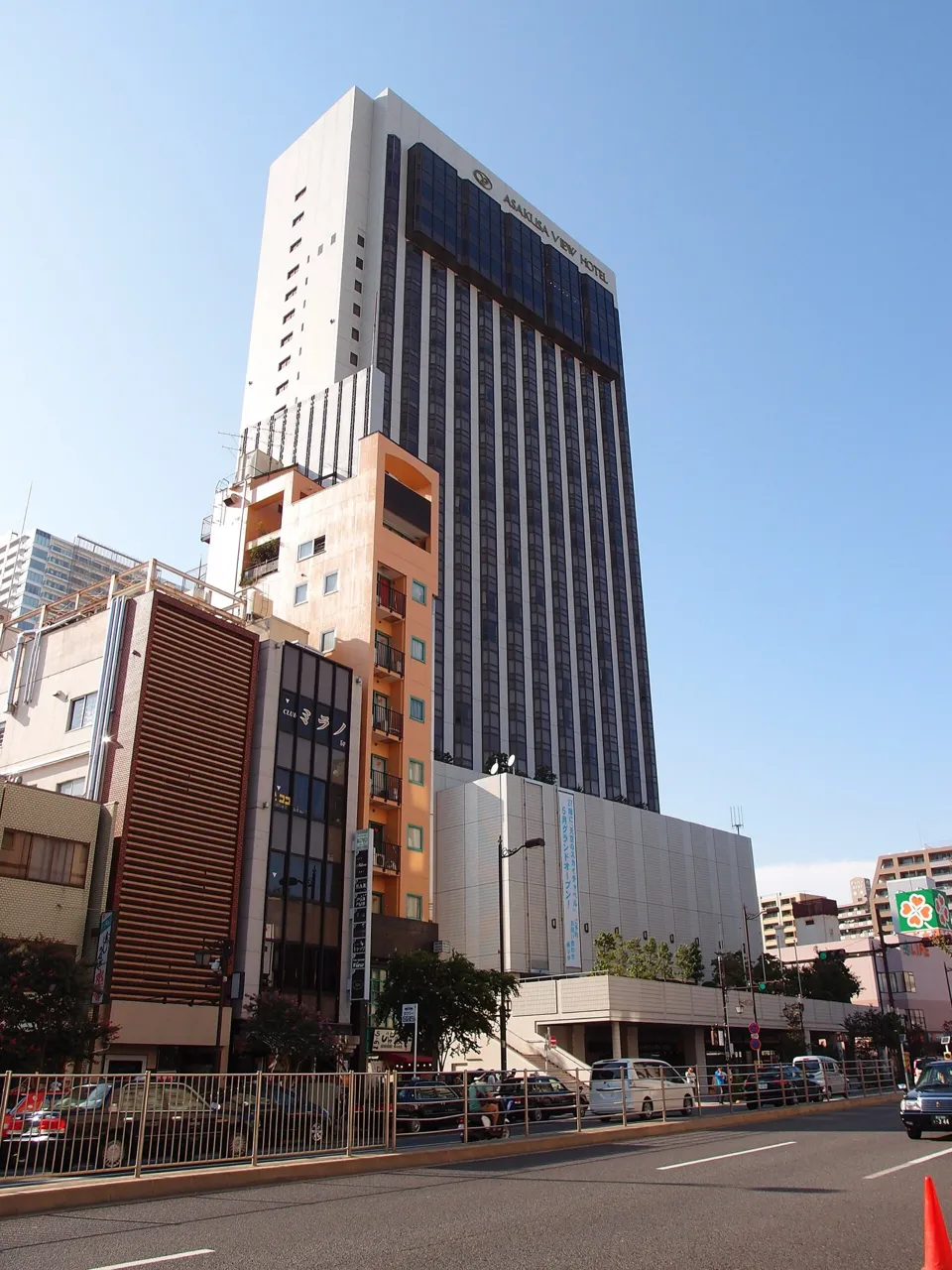
Asakusa View Hotel — for height. This is the tall one, in Nishi-Asakusa. Breakfast is served on the 26th floor, and the hotel promises a view lit by the morning sun with the streets of Asakusa filling the windows. In the evening, a bar higher still stays open late over the same view. Some of its special rooms face the Skytree side, and the hotel says Mount Fuji can be seen from them too. If the temple is for walking and the hotel is for looking, this is the one to book.
If you want parks, ponds and bells, stay in Ueno
Ueno Toshogu, whose golden hall survived wars and earthquakes, closes in the late afternoon, so the evening here belongs to the park instead. Ueno Park stays open until late at night, and by the Shinobazu entrance a frog fountain is lit up after dark. On Friday and Saturday, some of the big museums on the hill stay open into the evening.
Kan’eiji’s time bell, on the hill since the Edo period, still rings in the morning, at noon and in the evening. The poet Basho wrote about this bell and Asakusa’s in the same breath: a cloud of blossoms, and a bell, is it Ueno or Asakusa? I love that these neighbouring districts were already being mistaken for each other by ear more than three centuries ago.
Walk down to Shinobazu Pond before breakfast. Its Benten Hall stands on an island built to recall Chikubushima in Lake Biwa, and the hall is octagonal so that it can be worshipped from every side of the pond. In summer, the pond fills with lotus.
Hotel Crown Hills Ueno Premier — for breakfast above the park. Every room is on the upper floors of a tower near the station, and the breakfast room, high above the street, looks out over Ueno Park and Shinobazu Pond. The hotel adds that, if you are lucky, you may see Mount Fuji. Picture the pond below you and the mountain far beyond it, with the whole day in the park still ahead.
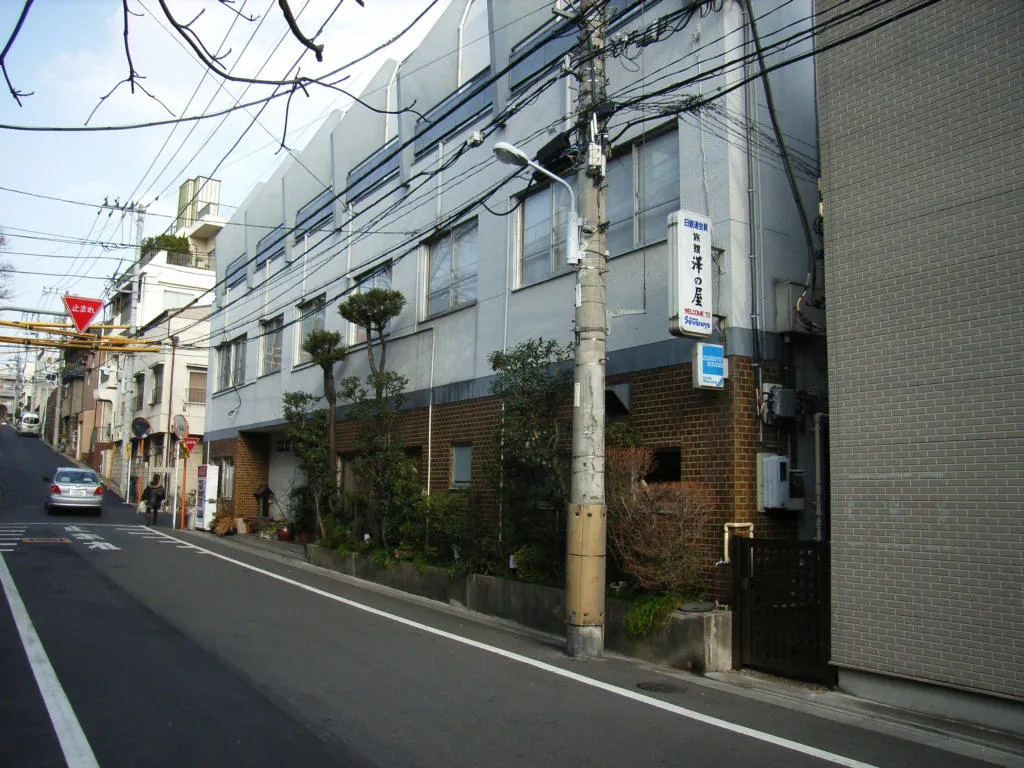
Ryokan Sawanoya — for a Japanese inn in Yanaka. Sawanoya is in Yanaka, near Ueno, and it has been taking guests for more than seventy years. Every room is Japanese-style, and most rooms share the inn’s baths, one of hinoki wood and one of ceramic. Breakfast is rice balls and miso soup, or toast and eggs. The inn writes, simply, welcome to Yanaka, Shitamachi in Tokyo, and that is the reason to book it: a room where the old Tokyo is not a theme.
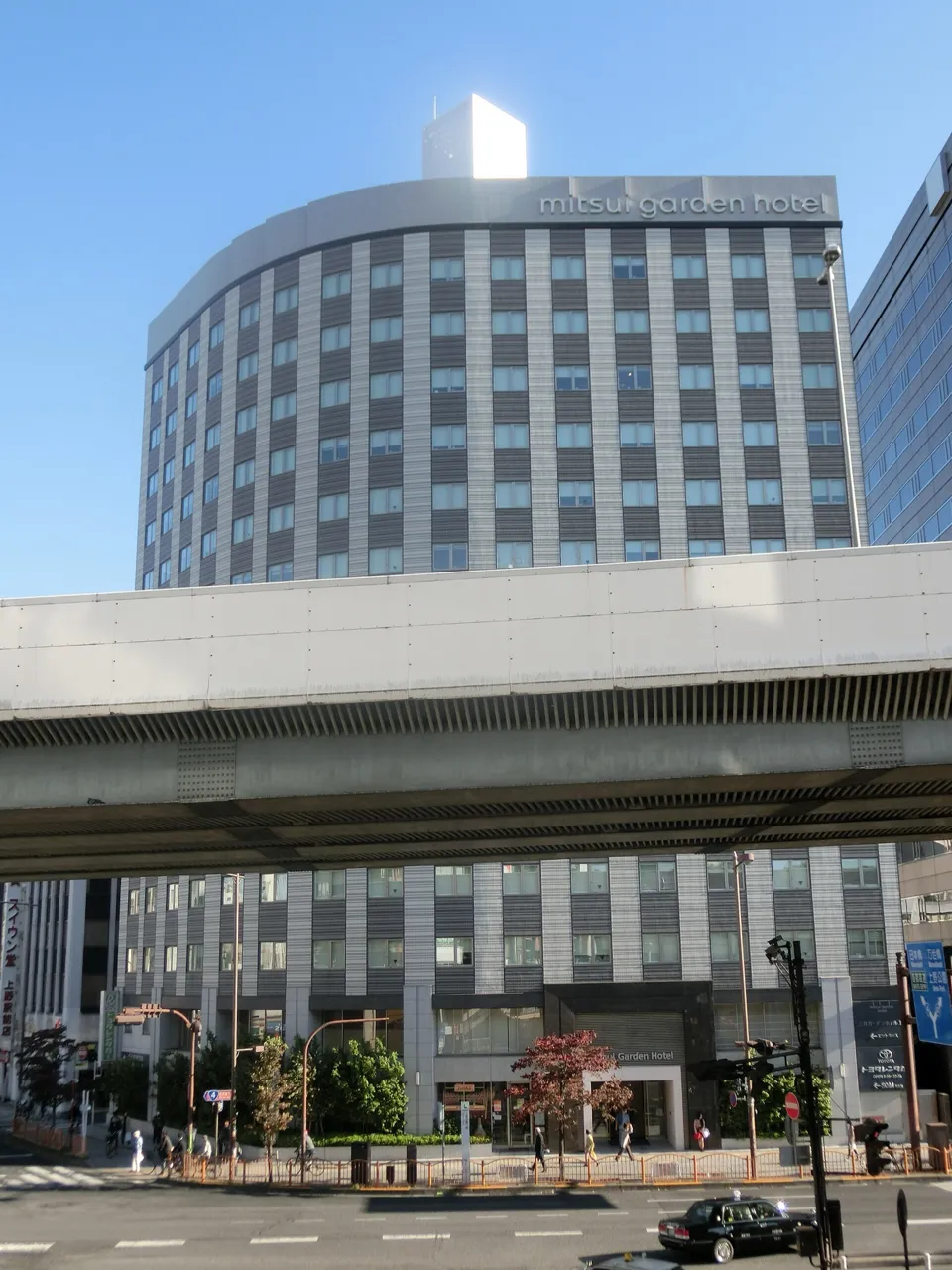
Mitsui Garden Hotel Ueno — for the forest brought indoors. This hotel by the station calls itself another Ueno forest, and it means it. The art in its lobby was made from the neighbourhood: one piece takes in the cherry trees, the ginkgo and the contour lines of the Ueno plateau, another the ripples on Shinobazu Pond, and a work in the superior twin rooms the wind through the park’s trees. And there is a whole floor of panda rooms, every room on it, which I suspect is the floor most children would choose.
If you want to sleep inside a landmark, stay at Tokyo Station
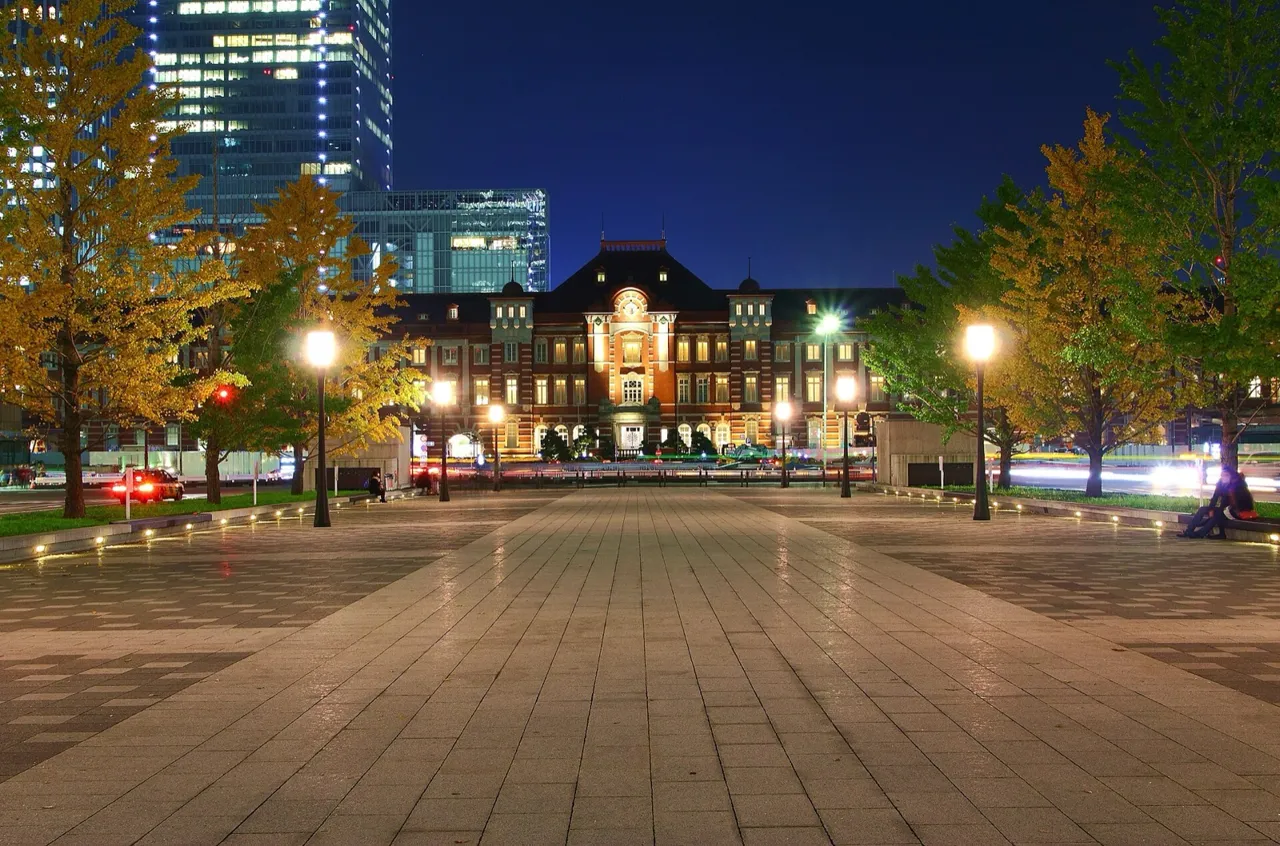
The red-brick Marunouchi building of Tokyo Station is a national Important Cultural Property, and after a long restoration it was returned to the way it looked a hundred years ago. In front of it, Gyoko-dori runs straight to the Imperial Palace. After dinner, walk out into the station plaza and look back at the building; the stay here is as much about that front as about the view from it.
In the morning, the Imperial Palace Outer Garden is open at all hours and free, so you can walk the palace plaza and along the moats before breakfast. I find it remarkable that a city this busy leaves its palace gardens open all night.
Tokyo Station Hotel — for a room inside the station. The hotel has been inside the station almost from the start, and it reopened after the restoration. Its Dome Side rooms run along the station’s domes, with the closest view of the dome reliefs and ceilings about four metres high, and the Palace View rooms look out over the plaza and down Gyoko-dori. Classic rooms on the station side have no view, because the platforms are right there; read the room type. The hotel says the novelist Matsumoto Seicho is thought to have dreamed up the timetable trick in his mystery Points and Lines while watching the platforms from his room here. If you arrive by Shinkansen or Narita Express, the hotel will guide you from the platform if you book it ahead.
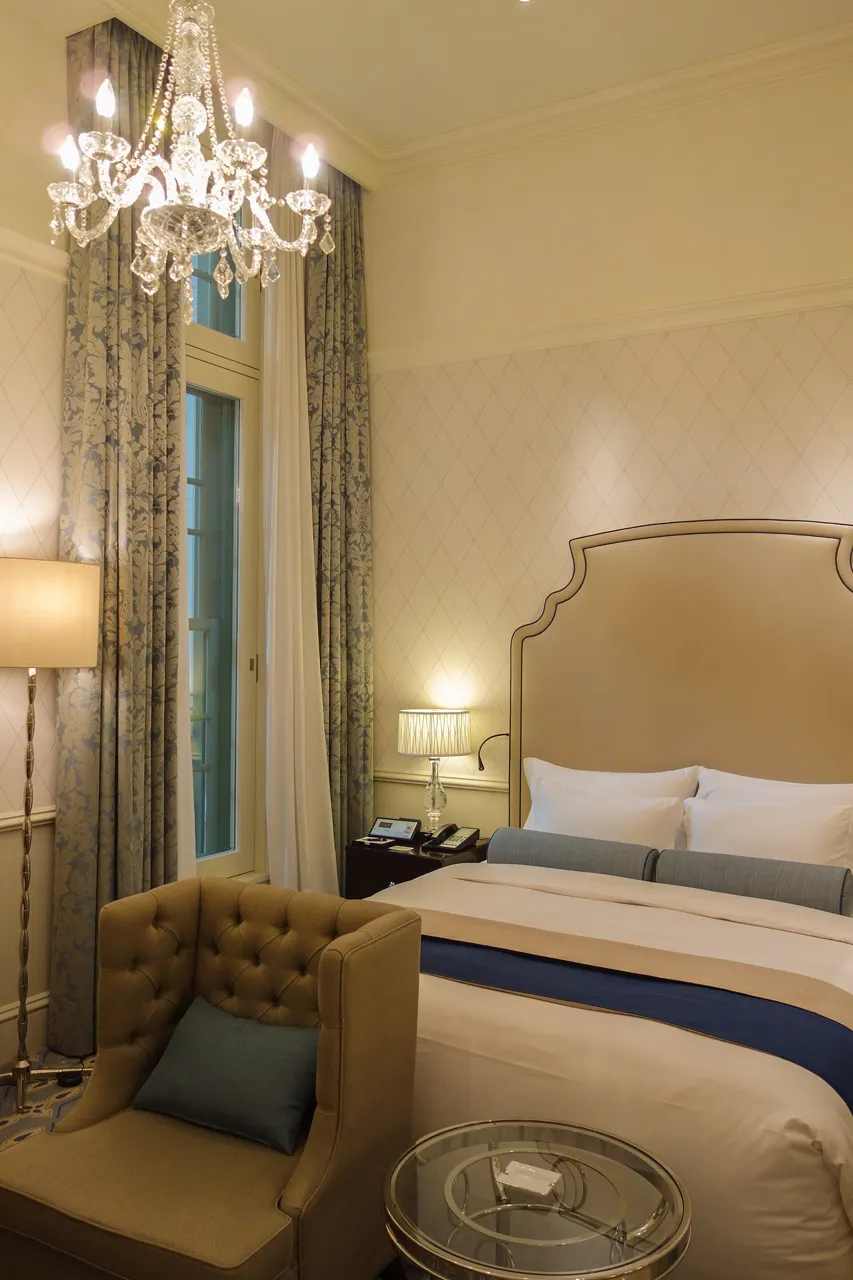
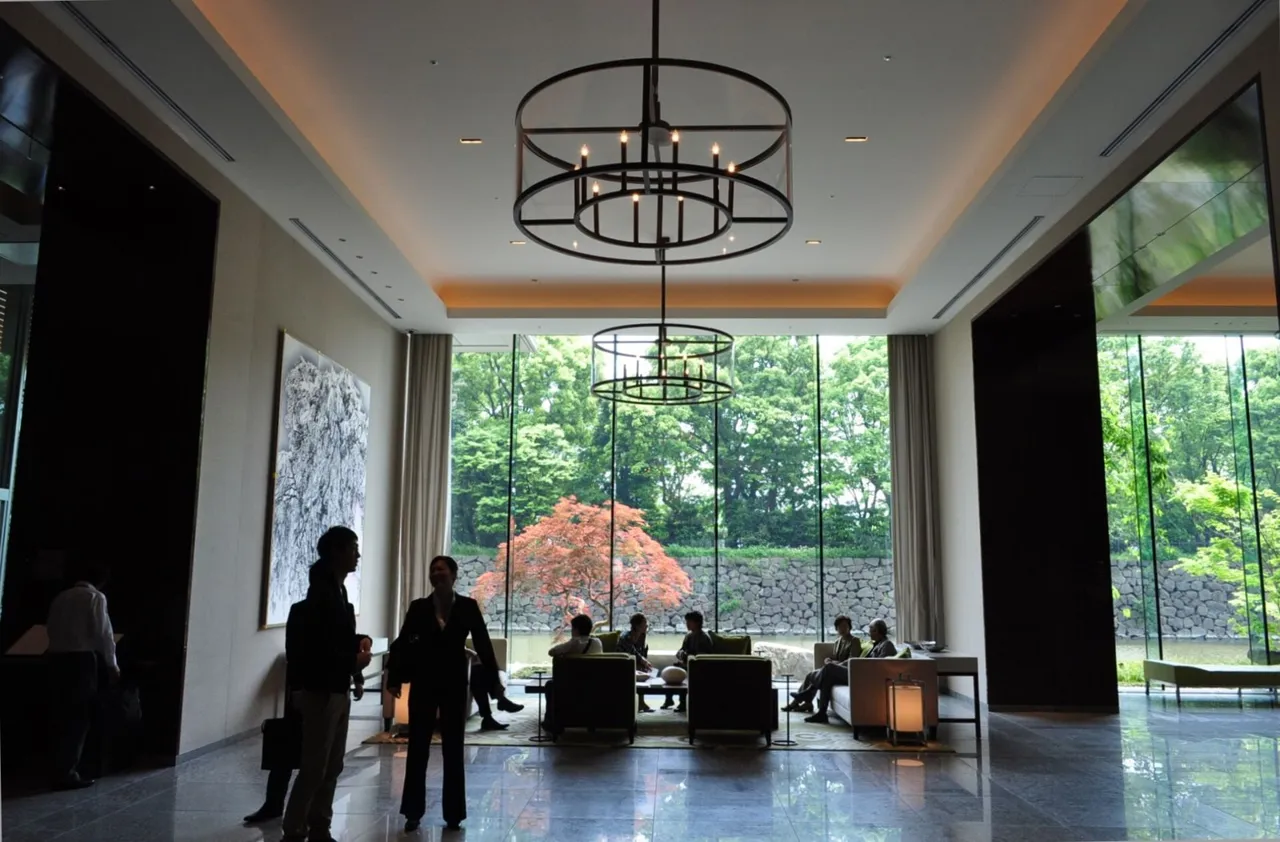
Palace Hotel Tokyo — for the moat. Steps from the station, this hotel faces the Imperial Palace gardens across the moat, and it says every room has a view of the gardens and the skyline. The site has been a hotel since just after the war, when the Allied occupation ordered one opened here. The previous Palace Hotel wore about 1.6 million small tiles, and when it was rebuilt, the original counter of its Royal Bar was restored for the new hotel. On a fine day you can eat on the terrace by the moat.
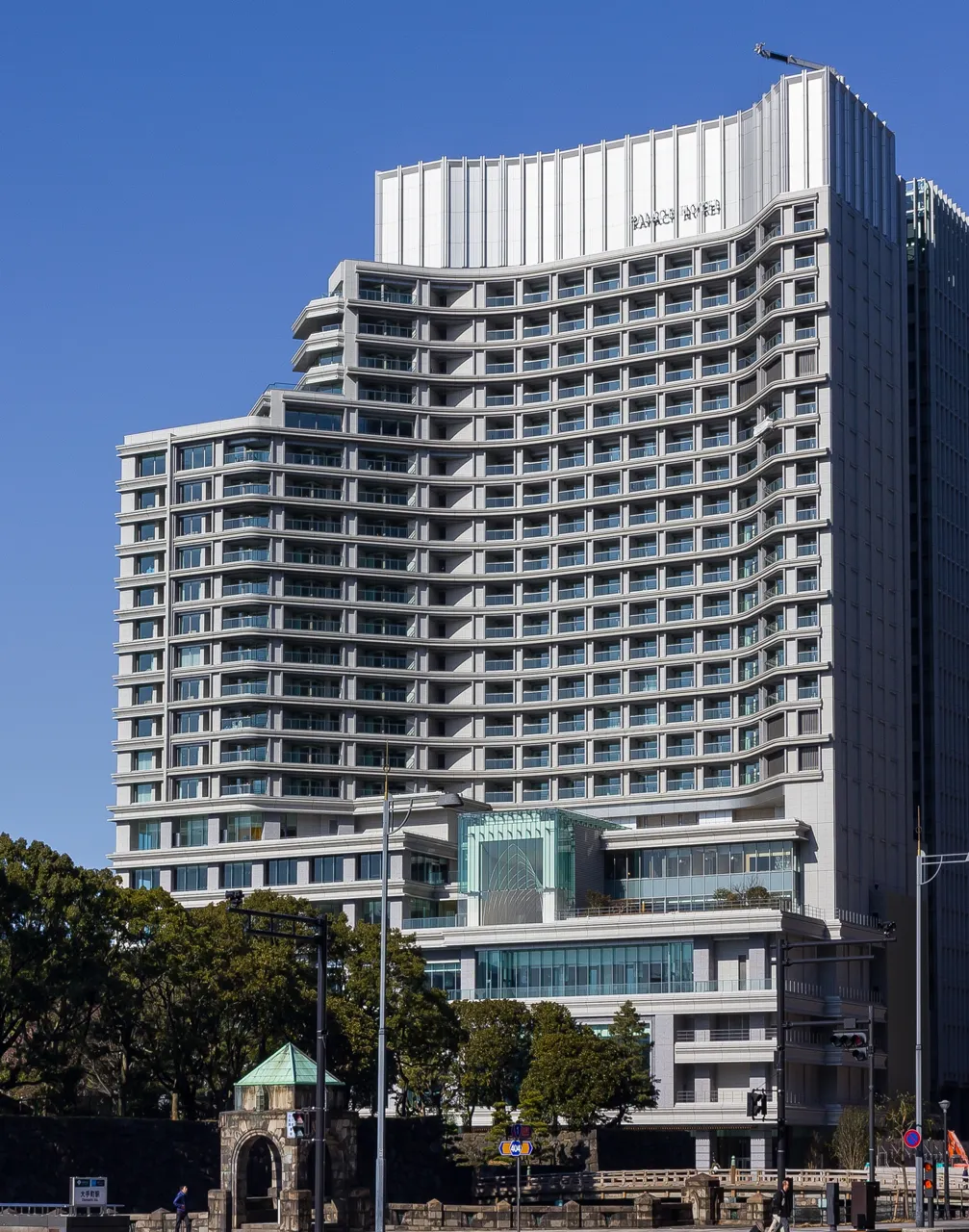
Shangri-La Tokyo — for a short walk with your bags. It is about a minute’s walk from Tokyo Station, in Marunouchi Trust Tower, and some of its rooms are sold as Imperial Garden View. The hotel says the Imperial Palace and Ginza are both an easy walk away, so the train, the palace and dinner all sit close to your bags.
If you want night lights and an early market, stay in Ginza and Tsukiji
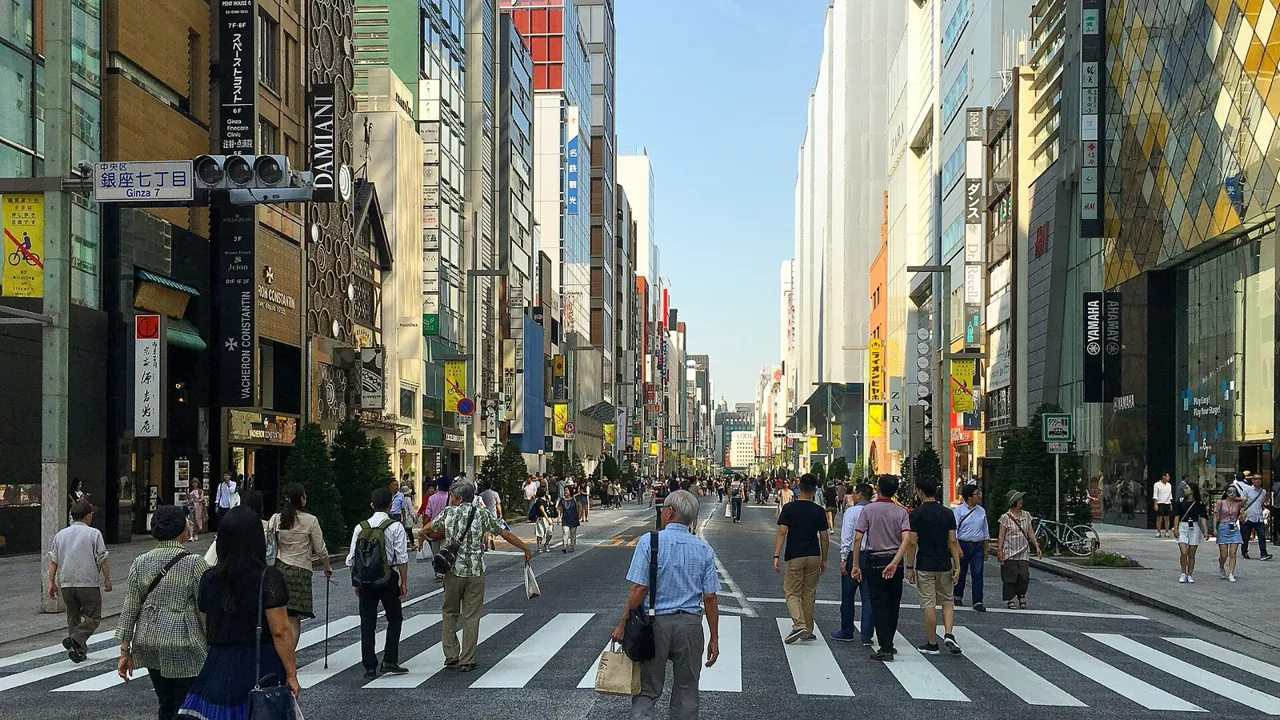
At night, the view in Ginza is the lit city from a high window. At the weekend the main street, Chuo-dori, closes to cars in the afternoon and becomes a pedestrian zone.
Tsukiji’s morning is a lesson in patience. The outer market opens early, but until nine it belongs to the professional buyers, and the market itself asks visitors to come later in the morning. So sleep in, walk over late, and eat breakfast at the stalls. Tsukiji means built land: the area was reclaimed after the Great Fire of Meireki, and Namiyoke Inari Shrine stands at the back corner of the market.
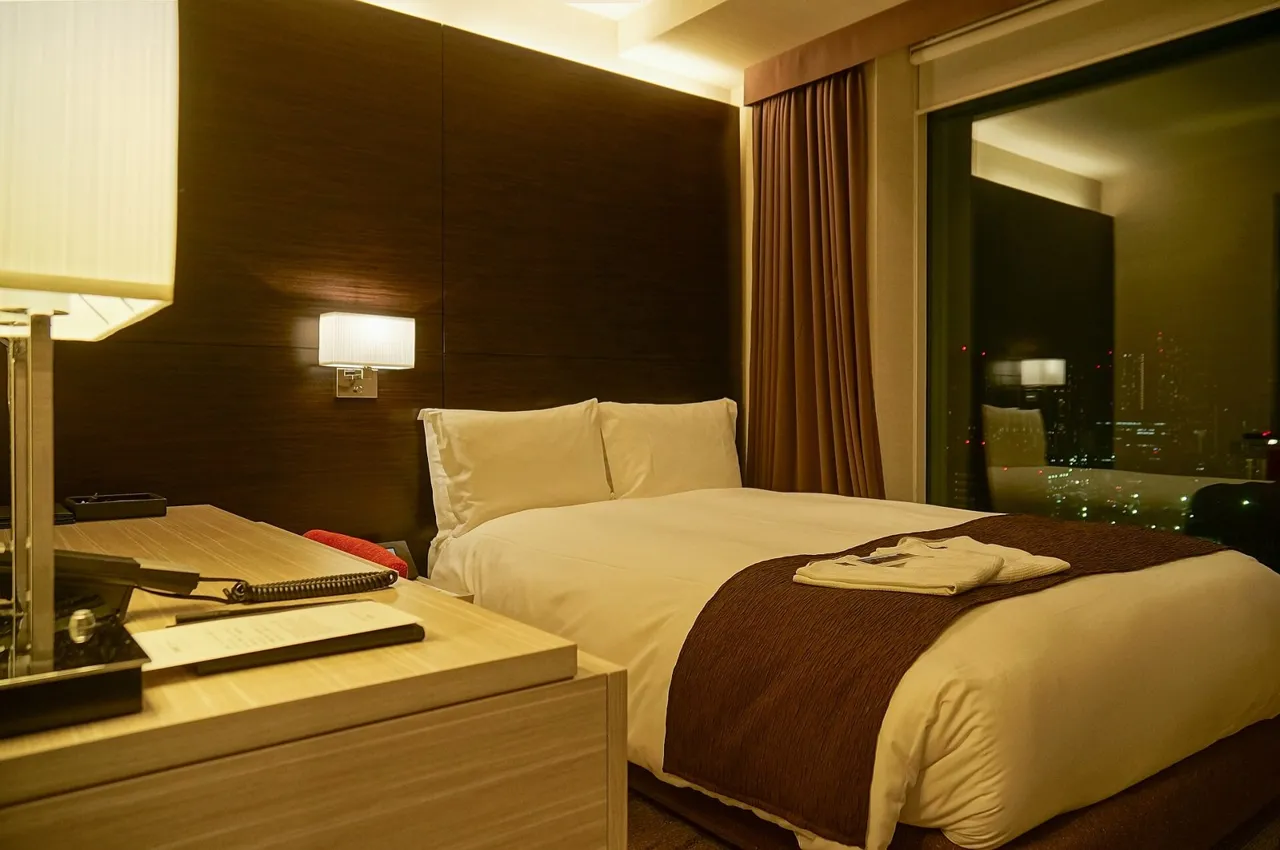
Mitsui Garden Hotel Ginza Premier — for the city at night. A special lift takes you from the street to a lobby high above Ginza, and the hotel says every room has big windows for the night view of the skyline. Some of its view-bath rooms let you soak while looking out at Tokyo Tower. At the bar, the counter is made from karin wood said to be six hundred years old. It is a hotel for the moment of turning the light off and leaving the curtains open.
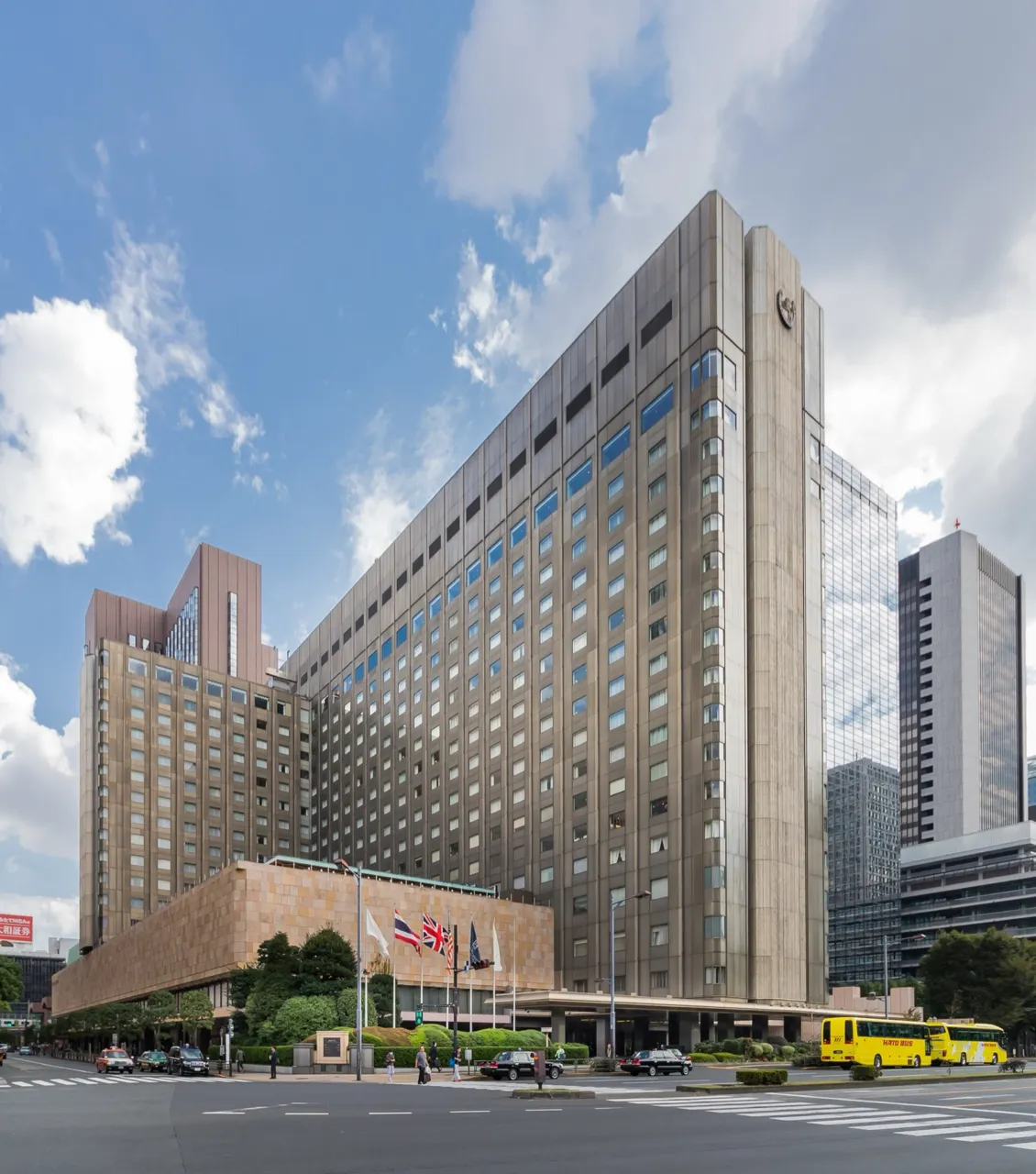
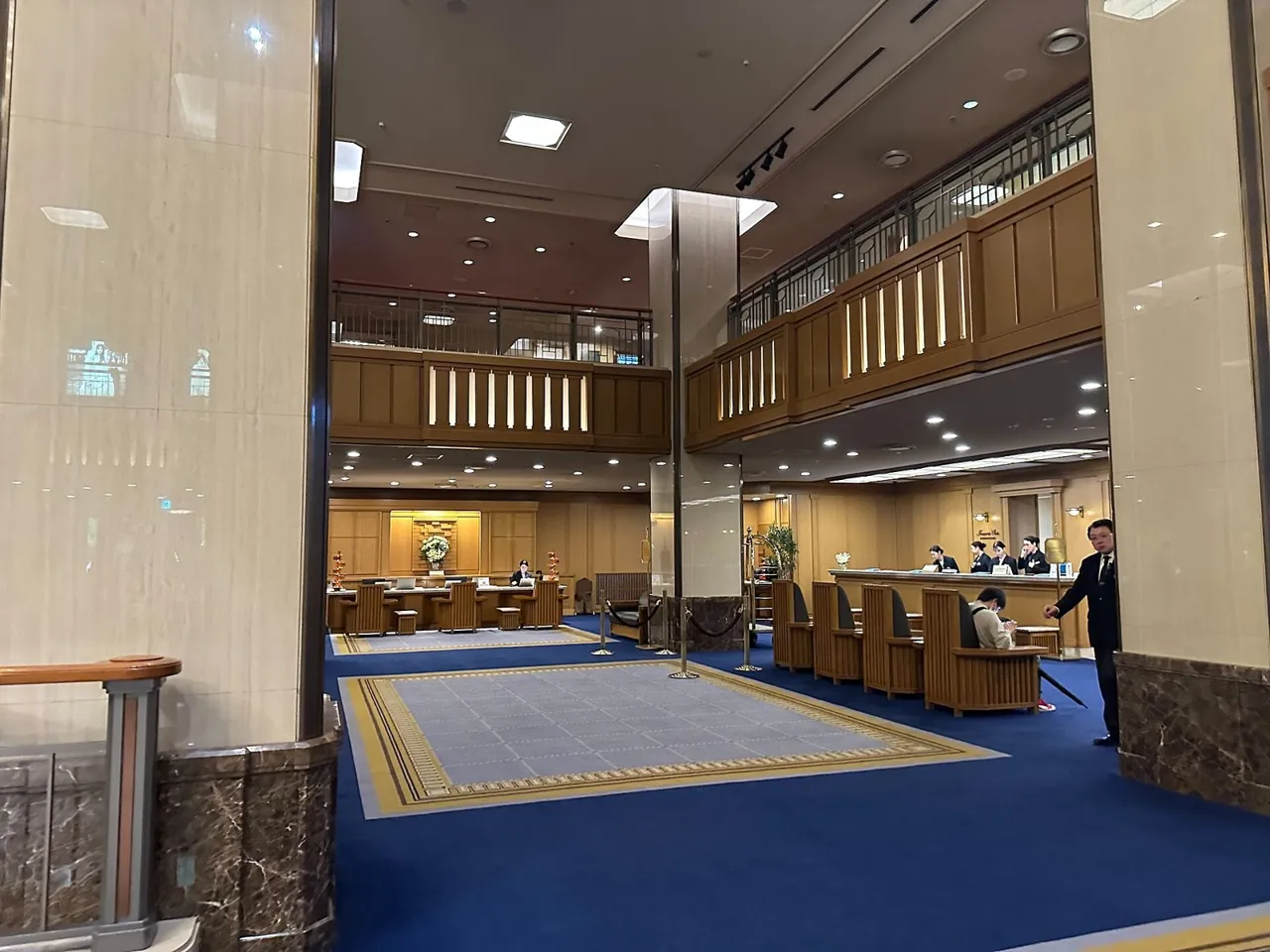
Imperial Hotel, Tokyo — for the story of Frank Lloyd Wright’s building. Strictly speaking it stands in Hibiya, a walk from Ginza, on the same site since 1890. Its second main building, designed by Frank Lloyd Wright in Oya stone and yellow brick, was opened on the very day the Great Kanto Earthquake struck, and it came through without major damage and served for decades. Marilyn Monroe appeared on its balcony on her honeymoon with Joe DiMaggio, and the hotel opened Japan’s first hotel shopping arcade the same year as the Wright building. Even without a view, the building’s history is the reason to come.
Mitsui Garden Hotel Ginza Tsukiji — for the market morning. This is the practical choice for the outer market: the hotel is a short walk from Tsukiji Station, and the market lists itself a minute from that station. Every room has a washer-dryer, which on a long trip matters more than a view, and its lounge is built like a treehouse.
If you want to wake up to Tokyo Tower, stay by Shiba Park
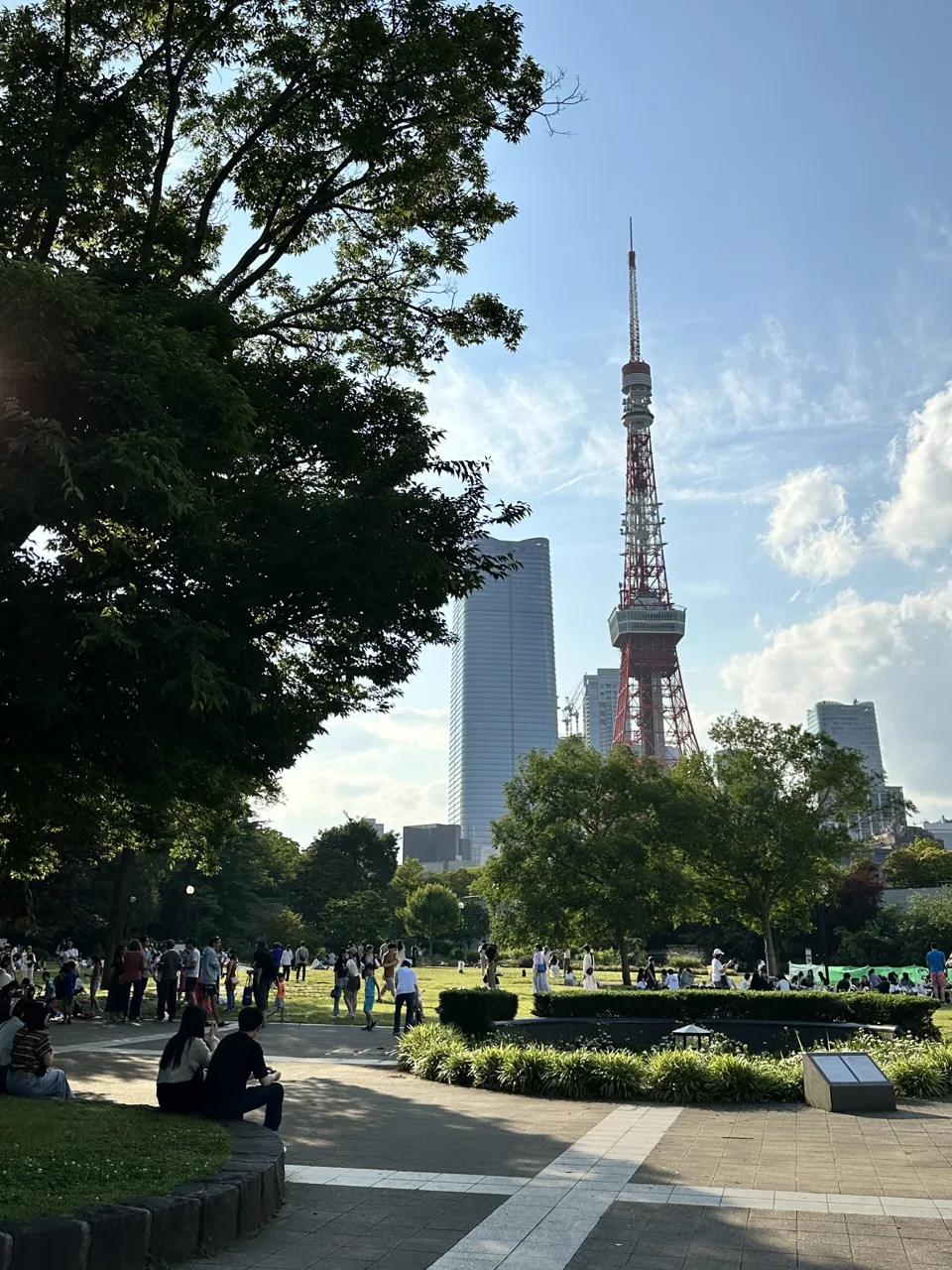
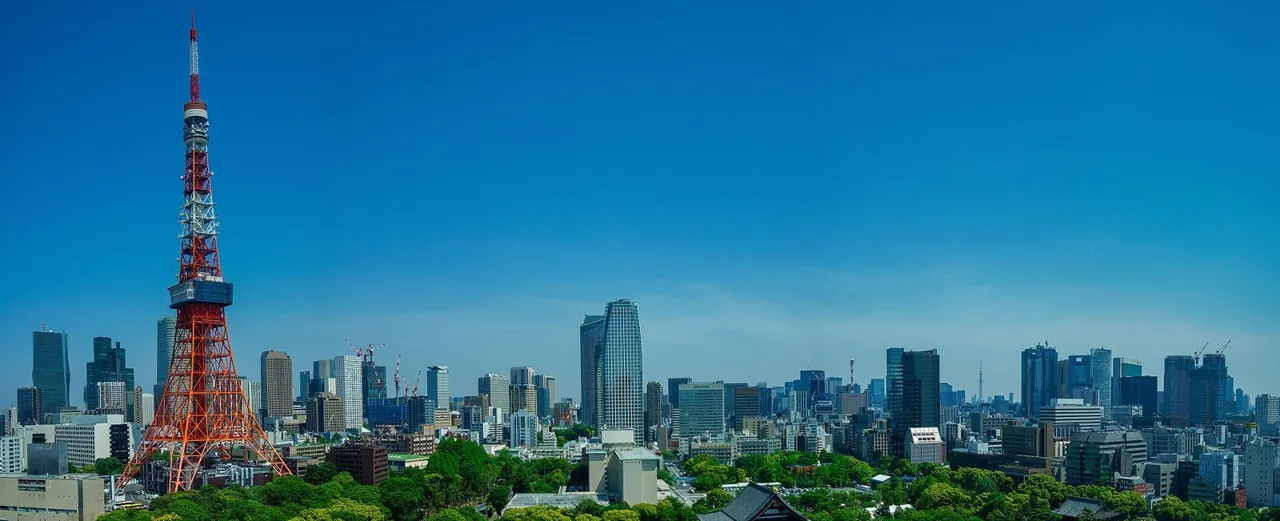
Shiba Park is where you sleep for Tokyo Tower itself. From early October the tower switches to its winter lights, a warm orange, and every hour on the hour, from sunset until midnight, it normally sparkles pure white for two minutes. If your window faces it, you will start checking the clock.
Next to the park, Zojoji, the temple of the Tokugawa family, rings its great bell in the early morning and again in the evening. It is counted among the three great bells of Edo, and Tokyo Tower stands on the hill where, the temple says, a small Kannon hall once stood in the Kamakura period. For more on the tower itself, see Tokyo Skytree and Tokyo Tower.
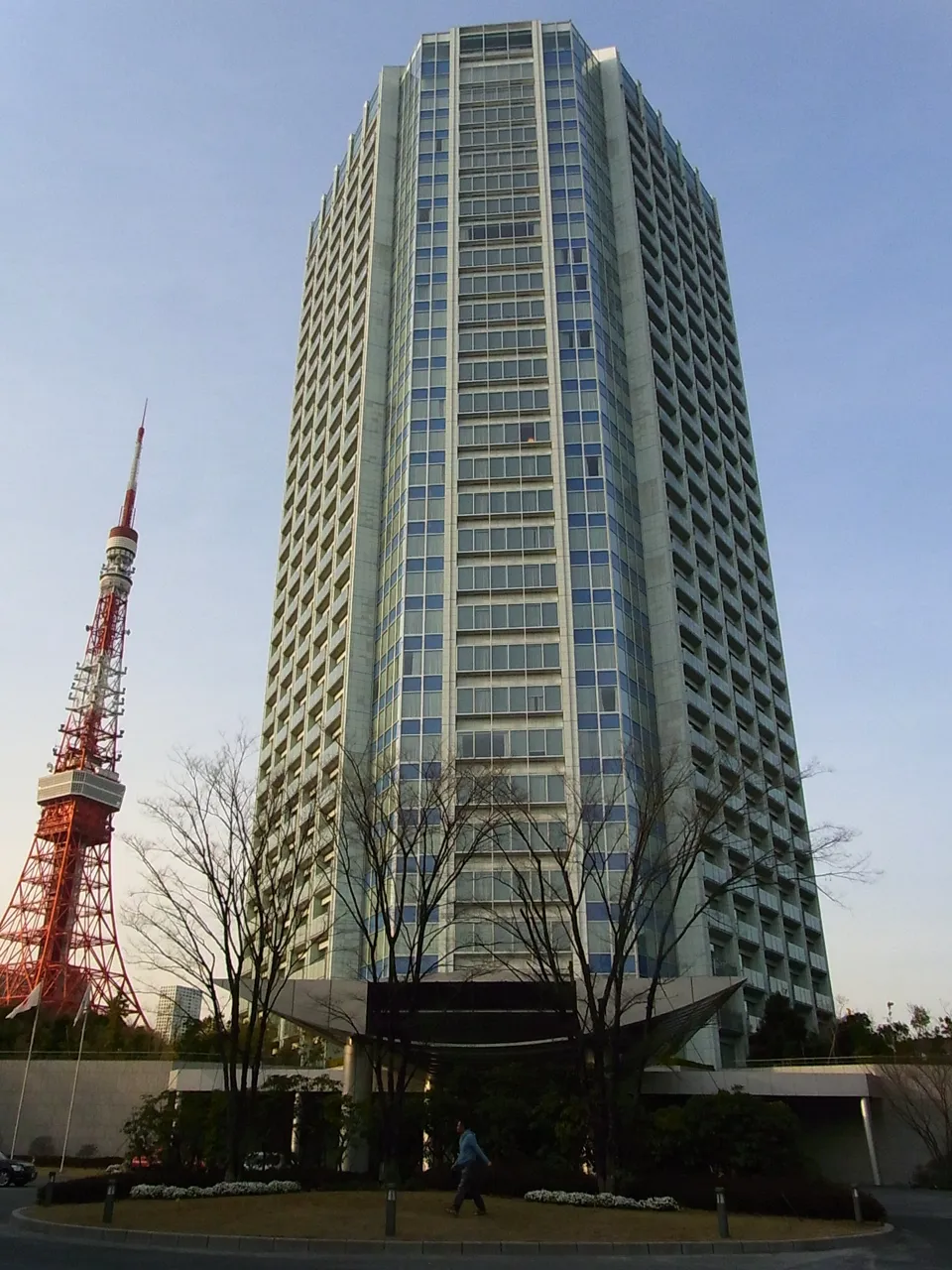
The Prince Park Tower Tokyo — for the tower from your bed. Of its rooms, 263 look at the tower, and they come in layers. In the tower-view rooms on the lower floors, which the hotel calls the Park Floors, you look up at the tower wrapped in the green of the park. From the tower-view rooms at the top, you look down on it. On every floor, one room is the hotel’s front-row seat, close enough, it says, that you feel you could touch the tower. Looking down sounds grander, but I would take a low floor and look up through the trees. Not every room faces the tower, so book a type marked Tokyo Tower side.
The hotel’s own small park is entered through an old gate of the Tokugawa mausoleum that, the hotel says, survived the air raids that burned most of the rest. Its paths are lined with cherry trees and roses, with the tower above them.
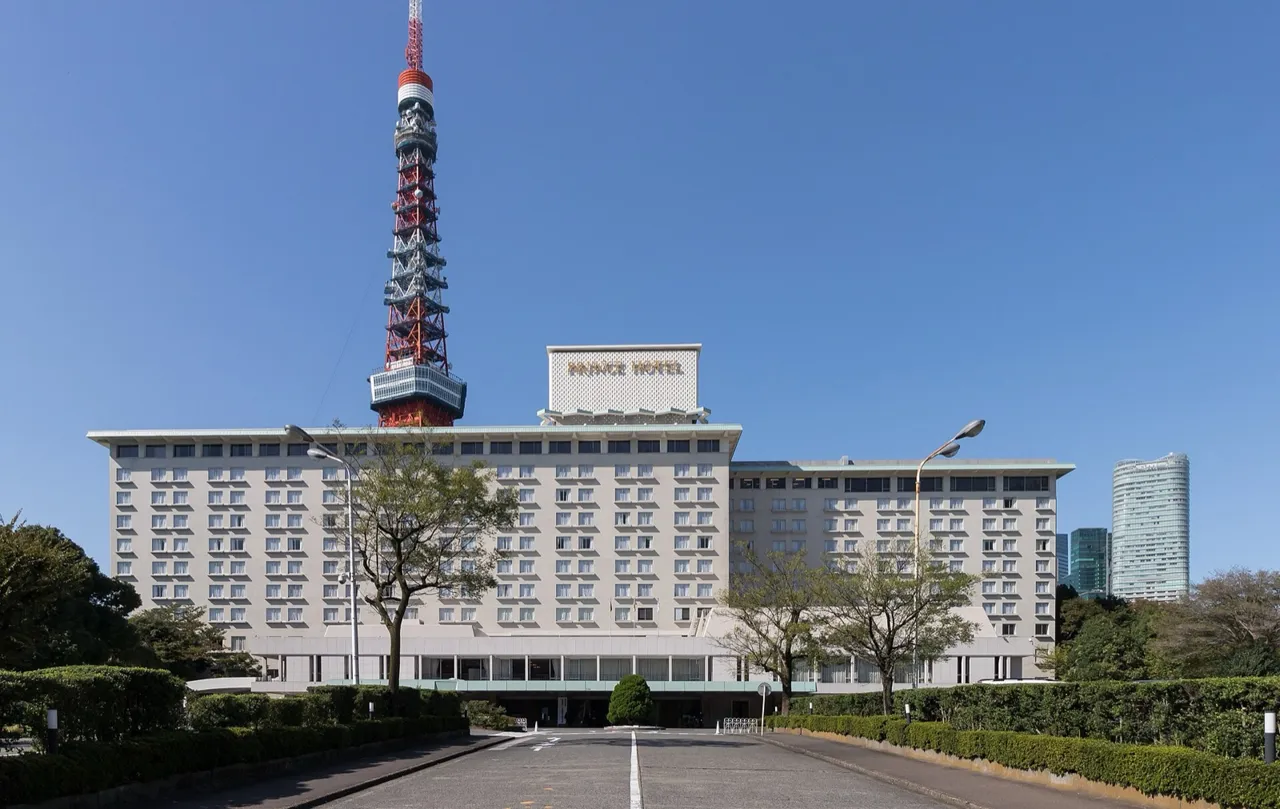
Tokyo Prince Hotel — for the hotel that has watched the tower for sixty years. This is the older neighbour, beside the park and the temples, close to Onarimon Station. The hotel describes itself as quietly timeless while the tower rises right in front of you, and its terrace cafe and bar sits in the front row. If you like a hotel with some years on it, ask for the tower side.
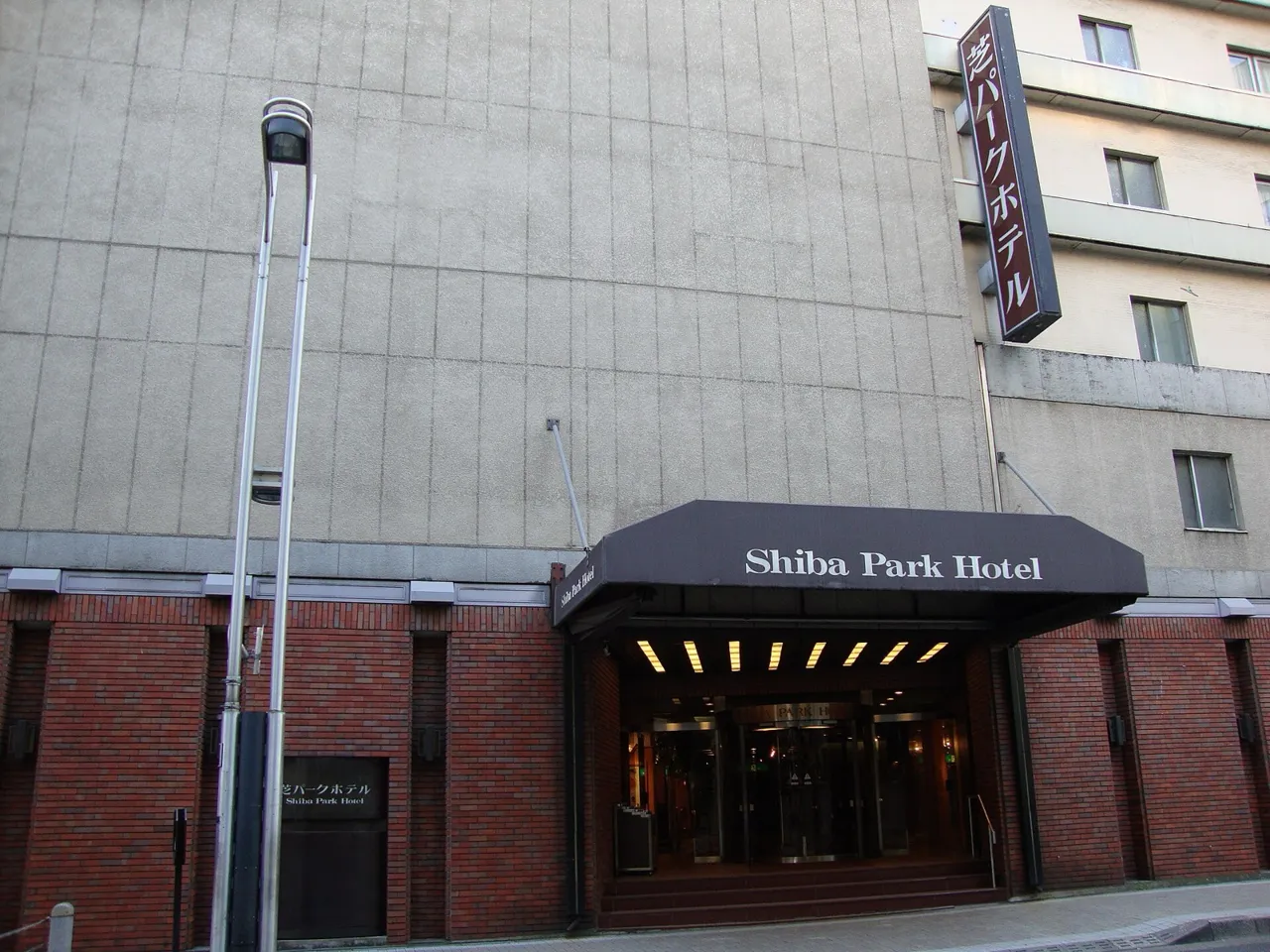
Shiba Park Hotel — for a library and a story. Around two thousand books, chosen by Ginza Tsutaya Books, line its library lounge, with a fireplace and free coffee, and you may take any book up to your room. The hotel’s history is better than most novels: it began in a women’s college dormitory that the occupation forces took over after the war as quarters for women soldiers, and from there it became a hotel for foreign trade missions. In later years, night staff walked the corridors polishing guests’ shoes, and the All Blacks stayed here after winning the first Rugby World Cup. The lounge alone makes me want to stay.
If you want the city from high above, stay in Roppongi and Akasaka
Roppongi’s evening happens high up. Tokyo City View, the glass-walled observation deck near the top of Roppongi Hills Mori Tower, stays open until ten at night, so it can come after dinner rather than before.
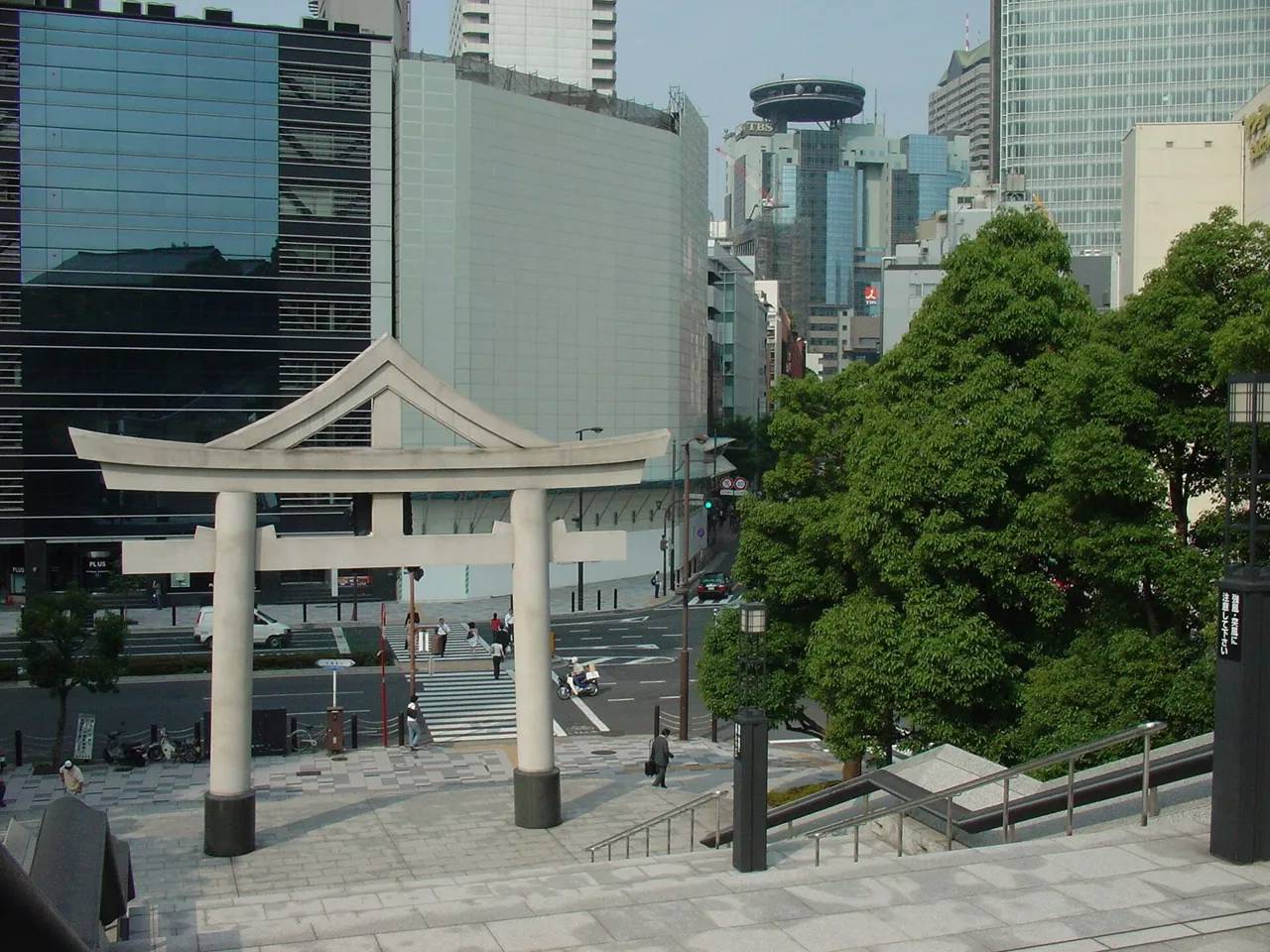
Akasaka’s morning happens on the ground, among trees. Hie Shrine, on the hill the area once called Star Hill for its night skies, opens its gates at six. The Japanese garden of the Hotel New Otani opens at the same hour to anyone, guest or not.
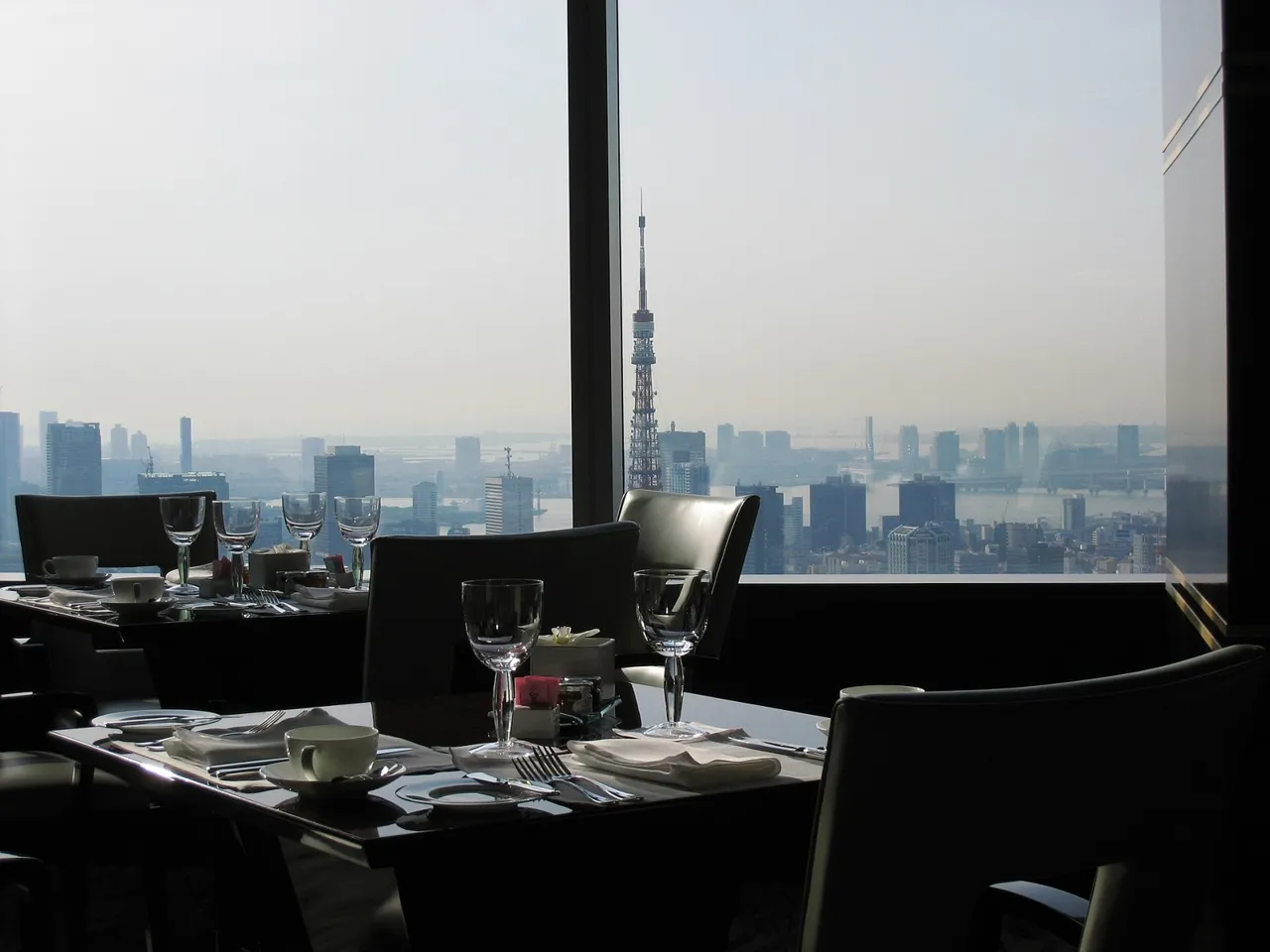
The Ritz-Carlton, Tokyo — for the view from the top. The hotel fills the top floors of Midtown Tower, and your arrival begins in a lobby high in the tower. It promises the gardens of the Imperial Palace, Tokyo Bay and Mount Fuji, and it splits the rooms by direction: the palace and the bay on one side, Fuji and the towers of Shinjuku on the other. For the morning, the hotel sends you on a short walk to Hinokicho Park, which it describes as a rural sanctuary steps from Roppongi Hills. Book the Fuji side for clear mornings, when the mountain sits beyond the whole city.
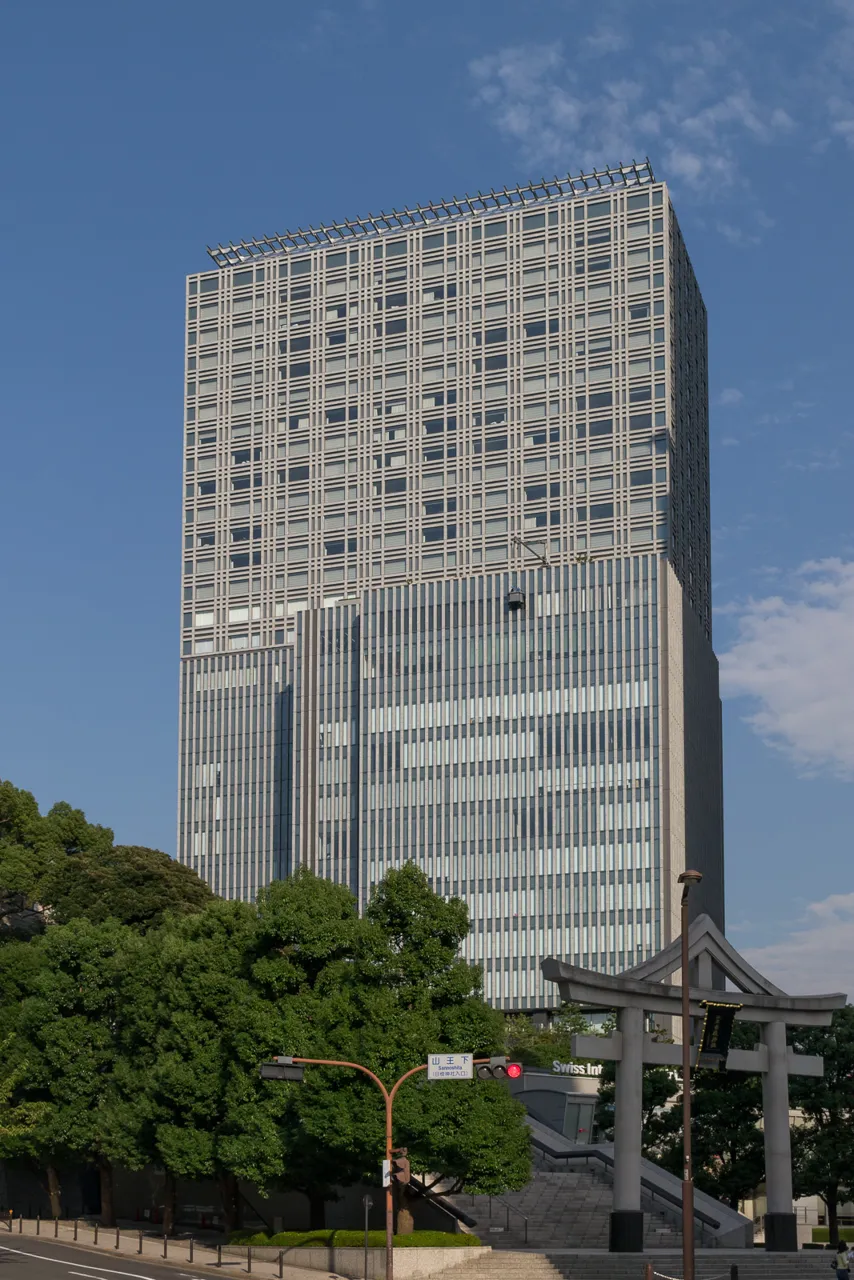
The Capitol Hotel Tokyu — for the hill and the history. This is the old site of the Tokyo Hilton, which opened here in 1963 as Japan’s first foreign-owned hotel and later hosted the Beatles. The new hotel, designed by Kengo Kuma, greets you with deep eaves of pale wood and a pond that runs up to the entrance, as if the ground had just been sprinkled with water. Some of its suites look straight into the garden and the forest of Hie Shrine next door. Before any hotel, the same hill held Hoshigaoka Saryo, the members-only restaurant run by the gourmet Kitaoji Rosanjin.
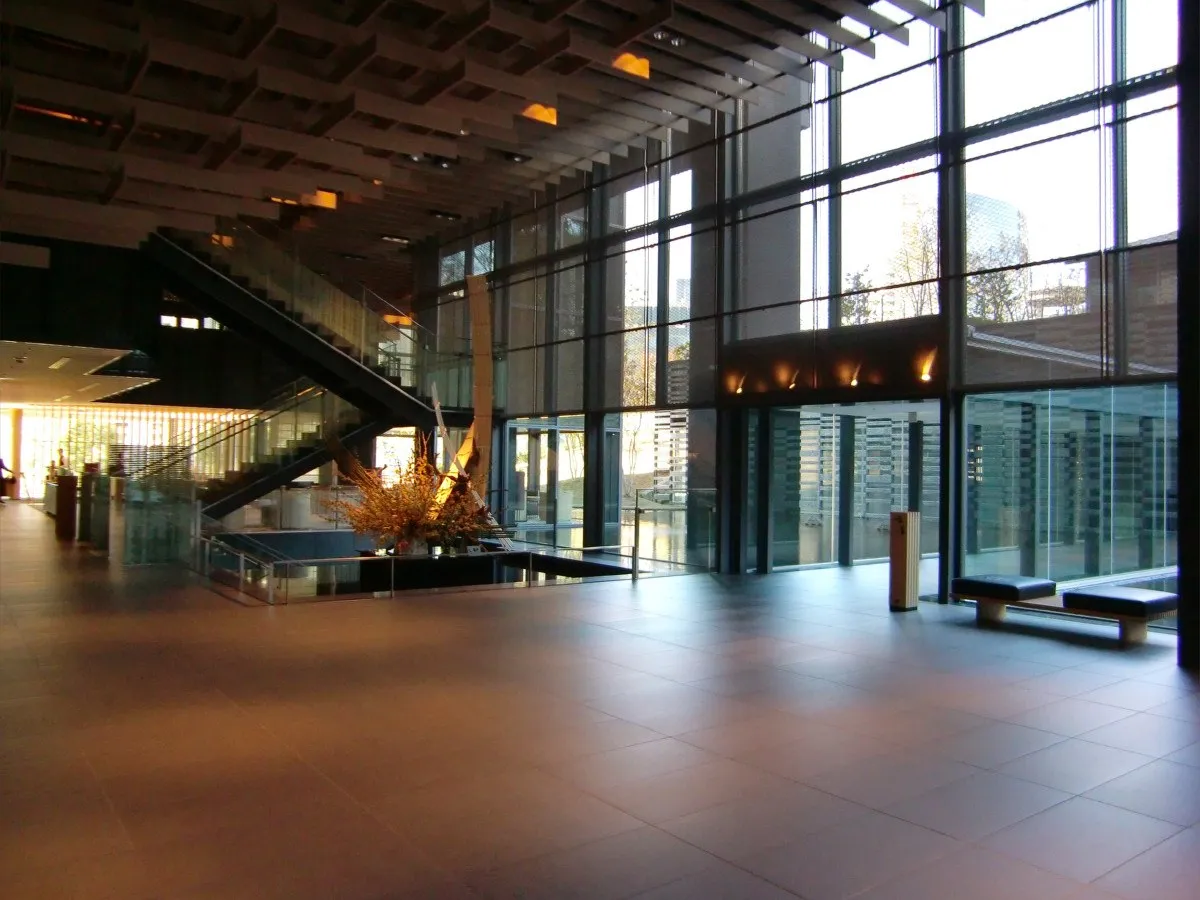
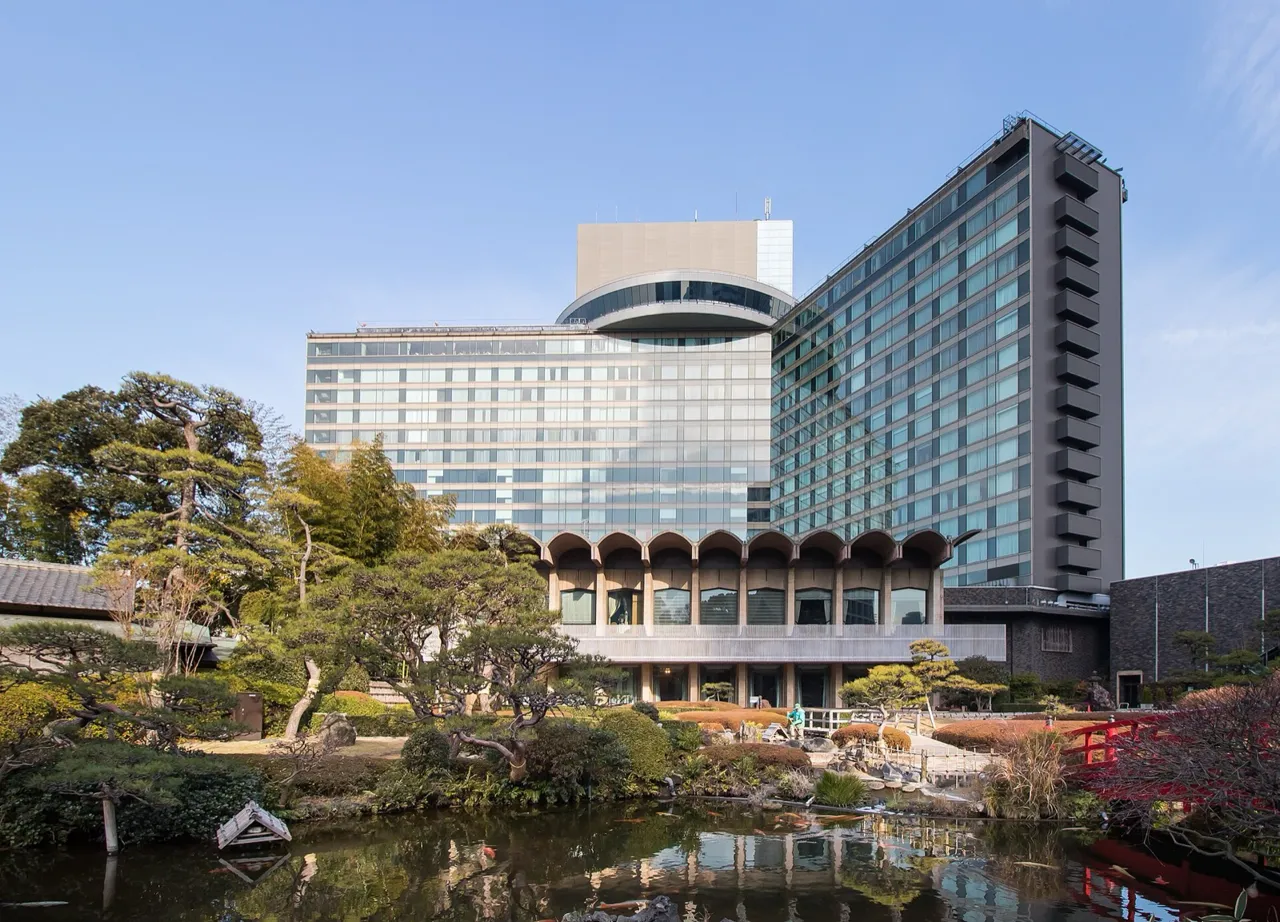
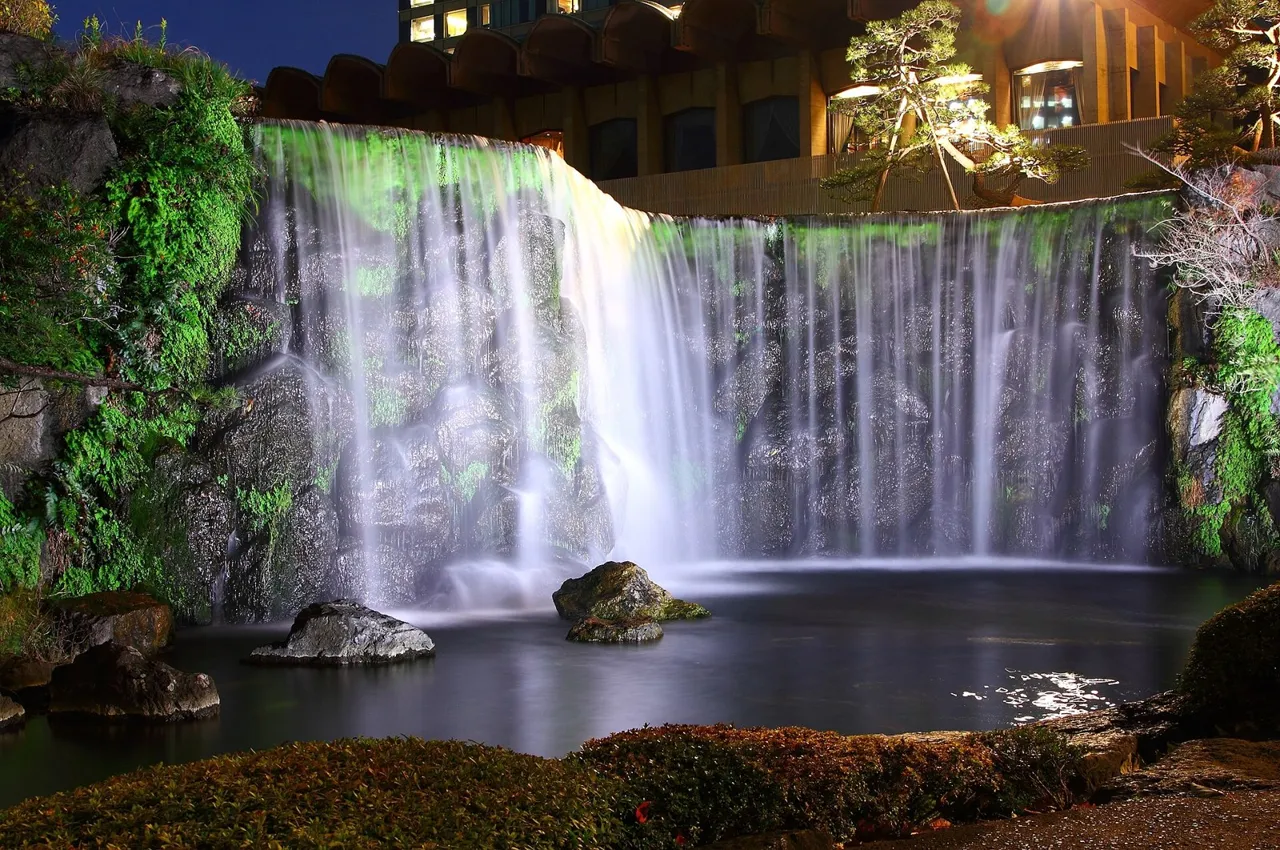
Hotel New Otani Tokyo — for a 400-year-old garden. The New Otani was designed to keep the landscape and stone walls of an Edo-era lord’s estate. The garden goes back more than four centuries to a residence of the samurai Kato Kiyomasa, and today it has old stone lanterns, red bridges over koi ponds and a waterfall. Its founder believed every guest should be able to see Mount Fuji, so its sky lounge was made for that. The garden opens early, so the lanterns and bridges can come before your own breakfast.
If you want the crossing under your window, stay in Shibuya
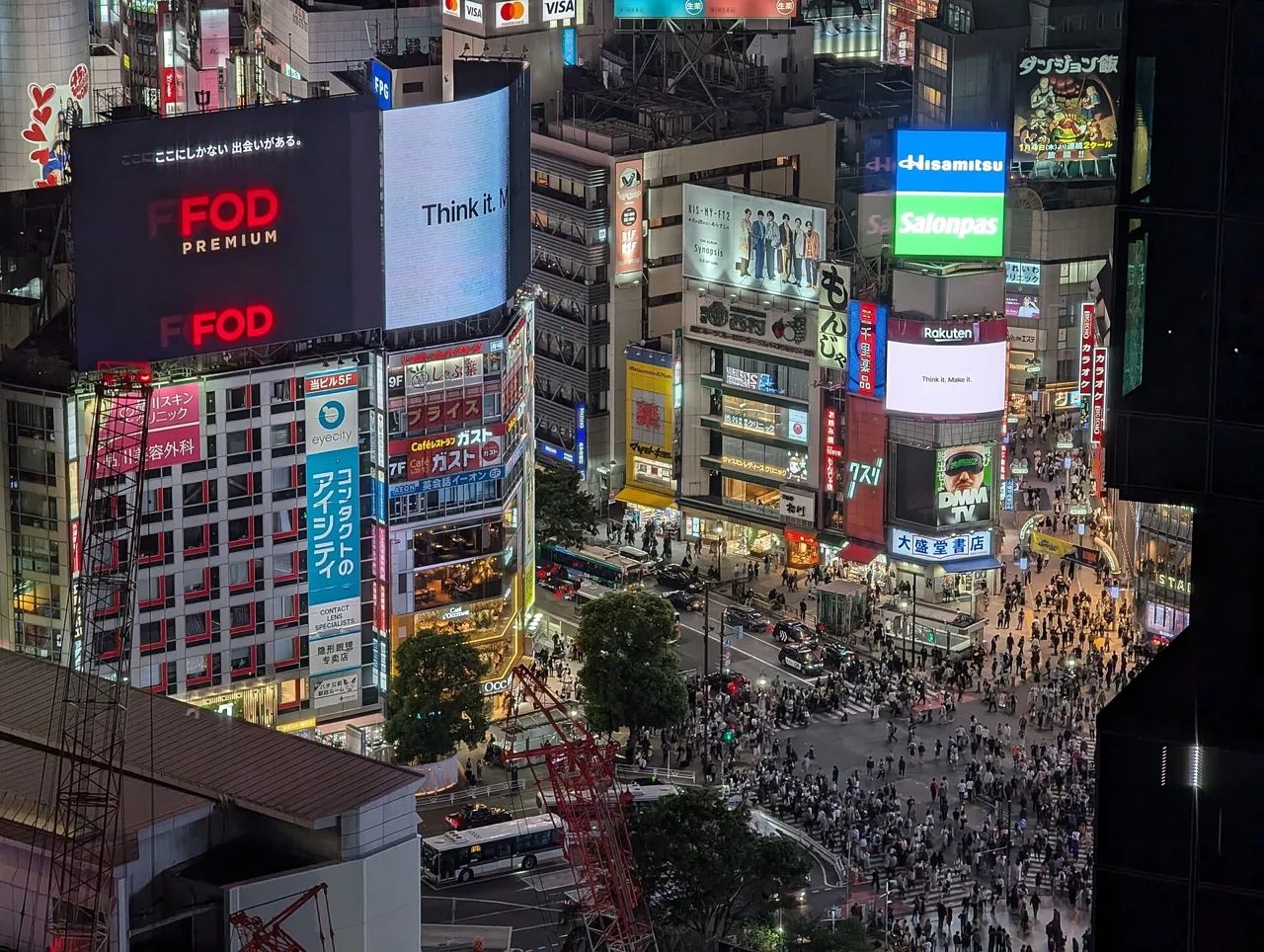
Shibuya is where you sleep above the crowd rather than in it. Picture the scramble crossing from a room above the street, the lights changing and the crossing filling and emptying while you decide where to eat. In the evening, the Sky Edge of Shibuya Sky, on the roof of the tower above the station, looks straight down on it.
The morning is greener than you would expect. Meiji Shrine opens its gates at sunrise, every day of the year, and its forest begins just across the bridge from Harajuku Station, so you can be under the trees before breakfast.
Shibuya Excel Hotel Tokyu — for the crossing itself. It sits inside Shibuya Mark City, connected straight to the station, and it promises the crossing and a street scene that keeps changing, from the guest rooms and the restaurants. Read the room names. Some of the twin rooms carry the words Crossing view, and the rest do not. If the crossing is why you are booking, book one of those. Putting the view in the name is a small kindness: you are not left hoping when you open the curtains.
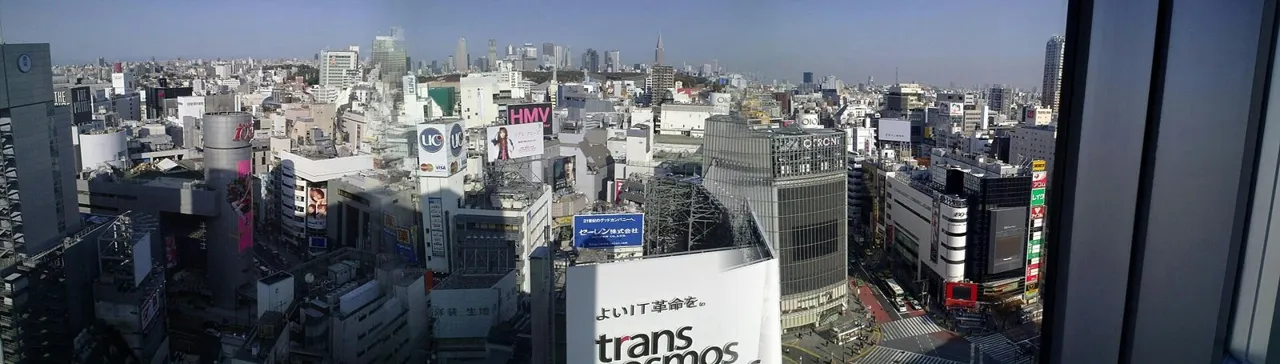
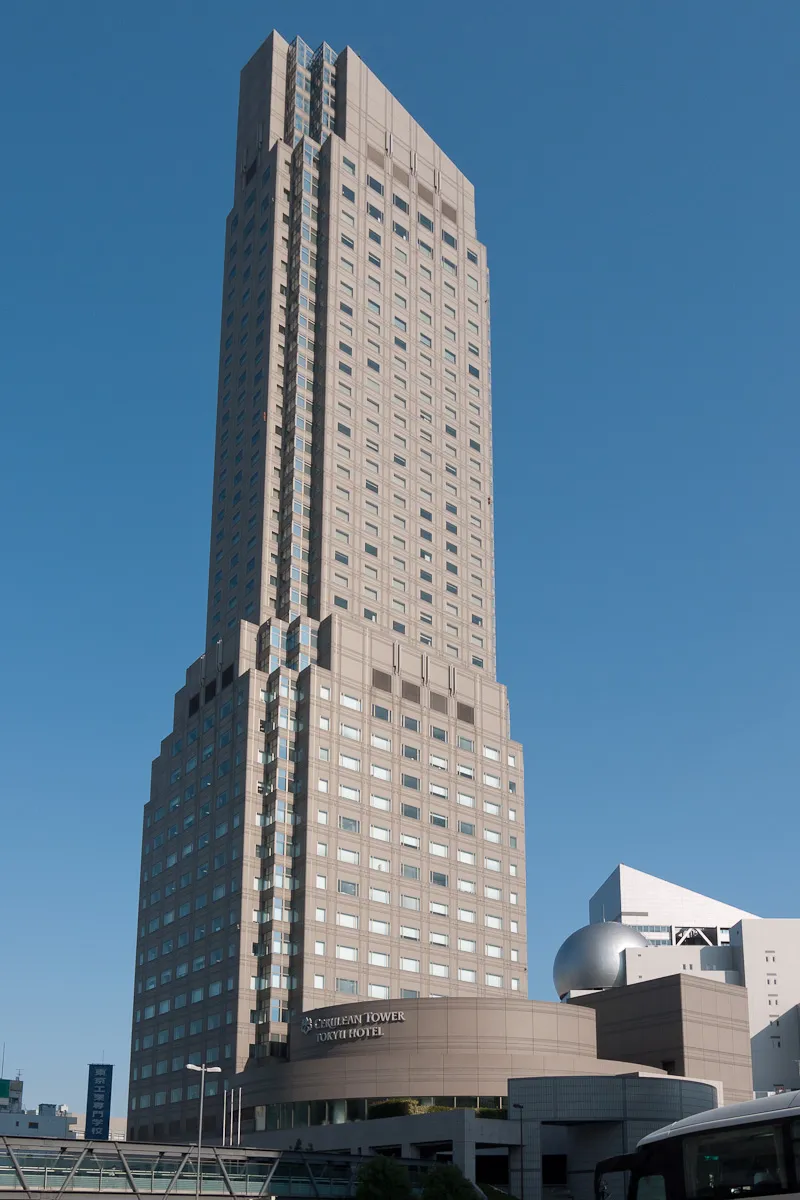
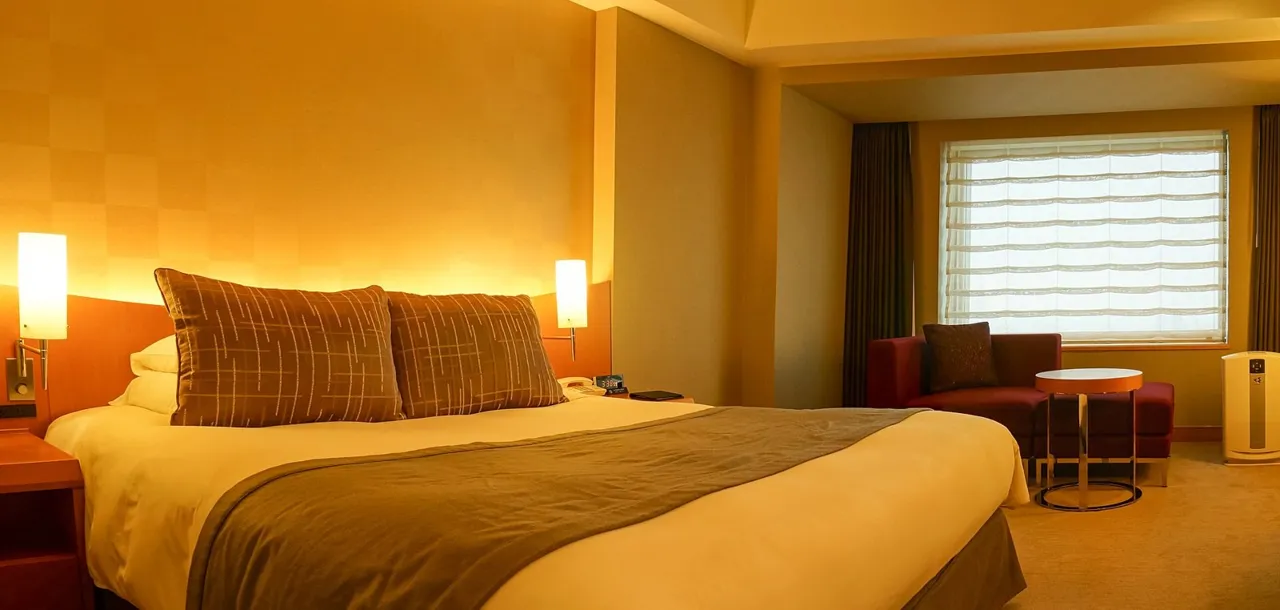
Cerulean Tower Tokyu Hotel — for the sky and a Noh stage. Every room here is on a high floor, and the hotel describes Shibuya at night below you like a jewel box. On clear days, it says, Mount Fuji appears far off from the west-facing windows and the guests’ lounge, and at dusk the traffic on Route 246 becomes a band of light running toward the mountain. The tower also holds a Japanese garden, a Noh theatre and a jazz club, and its name comes from a word for blue sky. A Noh stage in the same tower as that view is reason enough for me.
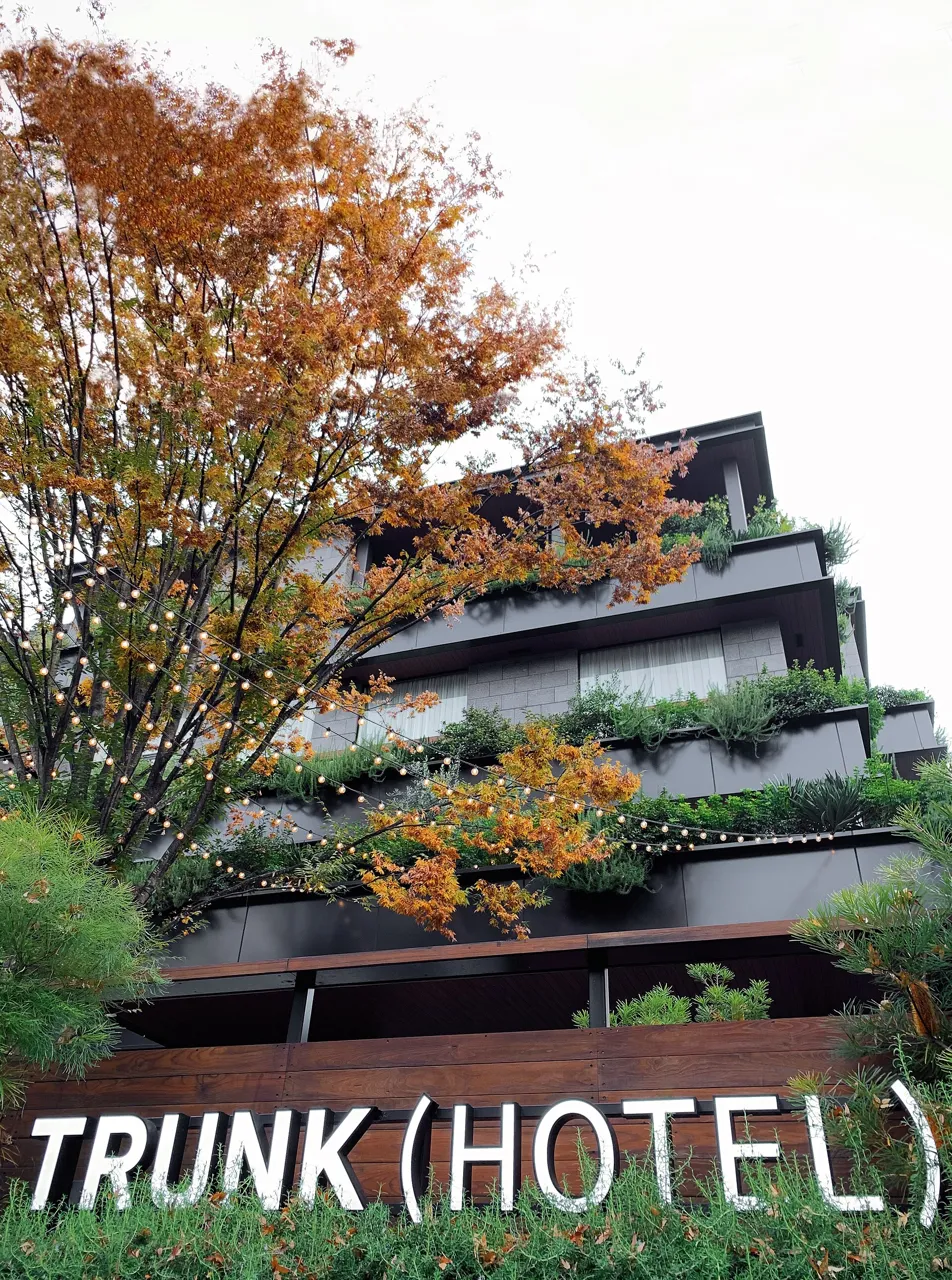
TRUNK(HOTEL) Cat Street — for the river under the street. On Cat Street, the lane between Shibuya and Harajuku, this hotel stands by Onden Shrine. The Shibuya River still flows under the street. It was once the Onden River, where children played and villagers’ waterwheels turned, and Hokusai painted one of those waterwheels in his Thirty-six Views of Mount Fuji. The hotel says its long horizontal lines are taken from Shibuya’s slopes and valleys, with the scramble crossing at the bottom of the valley. That is the detail that stays with me: the crossing in everyone’s photos sits in a valley.
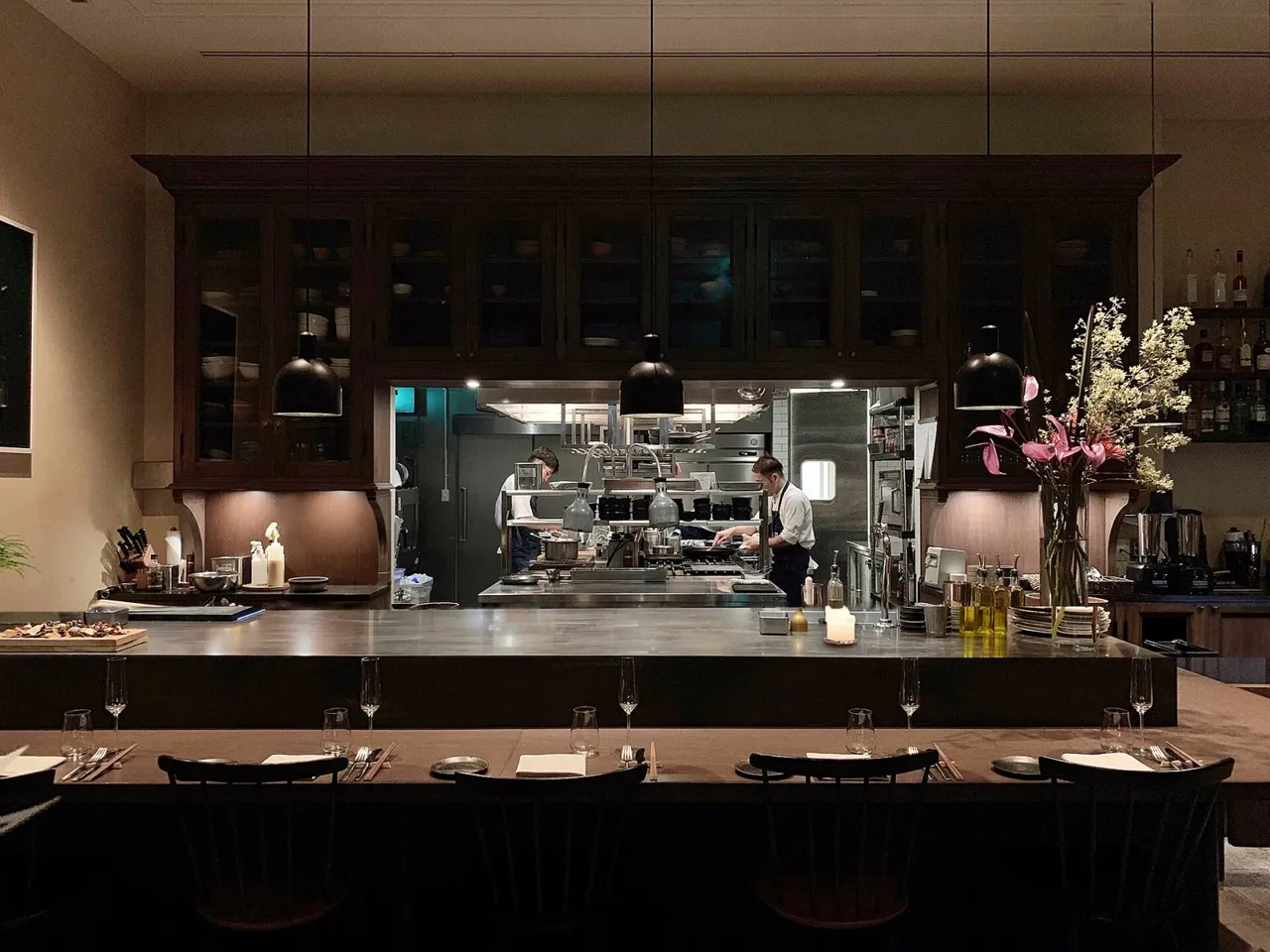
If you want the skyline after dark, stay in Shinjuku
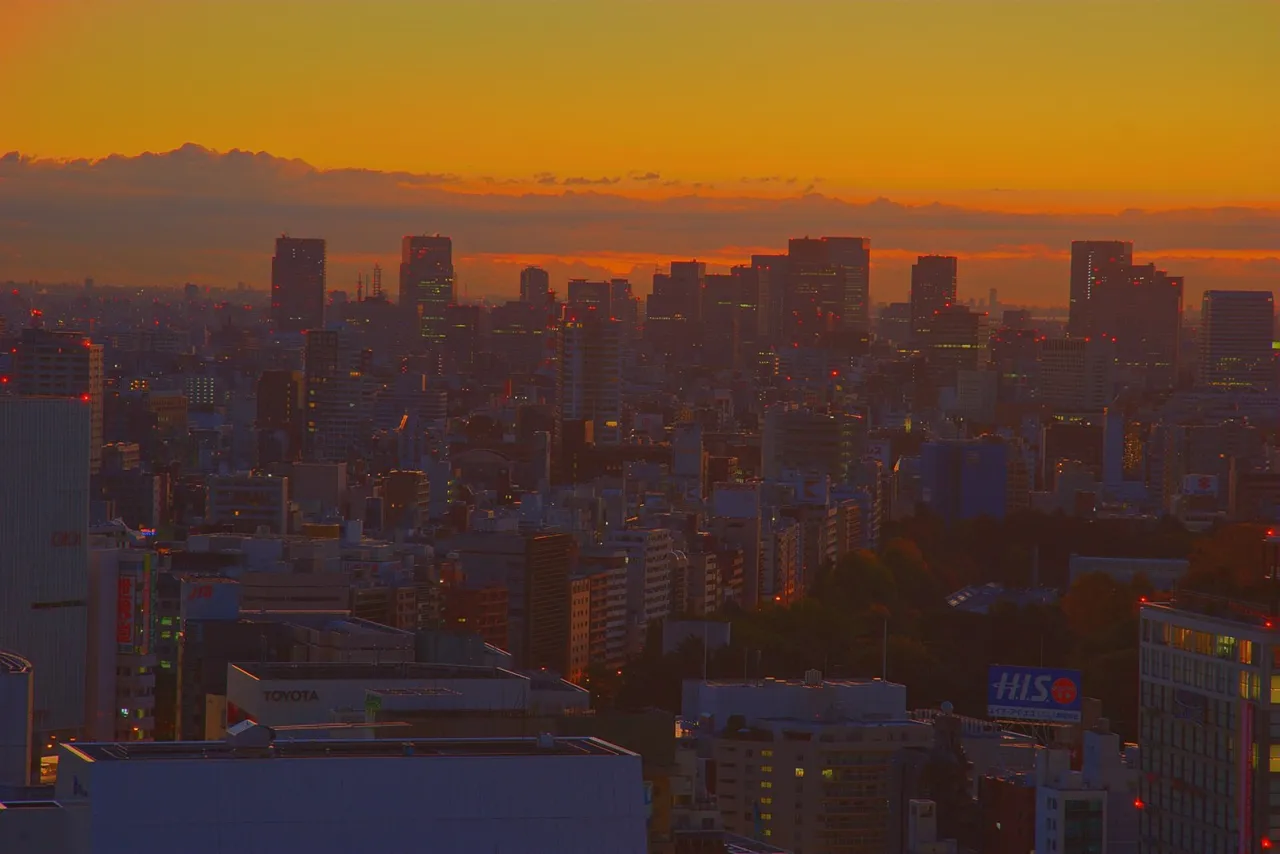
After dinner, the south observatory of the Tokyo Metropolitan Government Building is free and stays open into the evening, 202 metres above the street. Look west, and the city says you are facing Mount Fuji.
Before or after that, Omoide Yokocho, by the west exit, is where Shinjuku eats: around sixty small places, most of them grilling yakitori and offal, packed into lanes that began as a market on burnt ground just after the war. Many take cash only, and some charge a seat fee or limit how long you stay, so ask before you sit down.
The morning is the hard part. Shinjuku Gyoen, the great garden, does not open until nine. For an earlier start, look at it from the breakfast table instead.
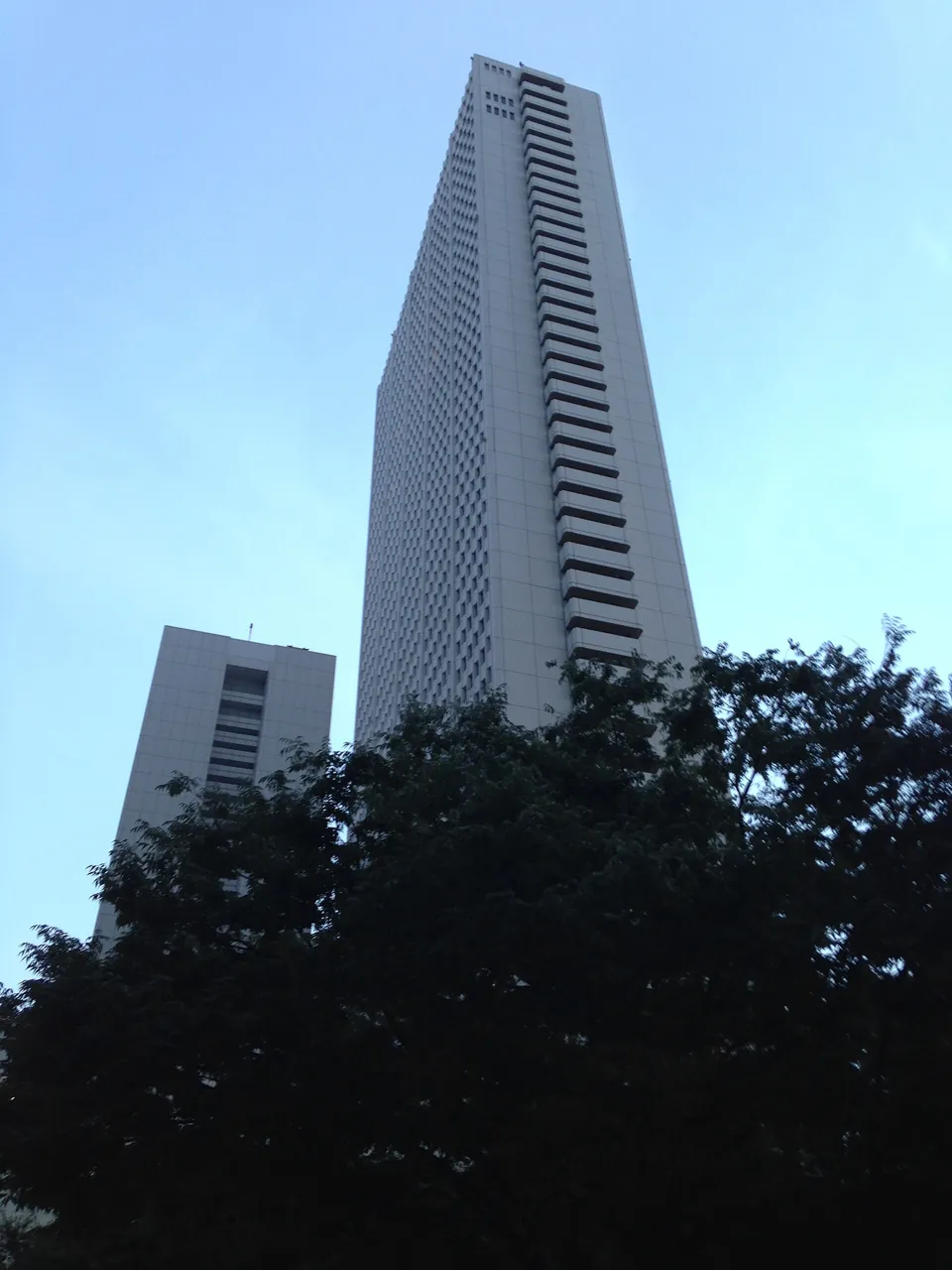
Keio Plaza Hotel — for the first of the towers. The Keio Plaza opened in 1971 and calls itself Japan’s first skyscraper hotel. It is a short walk from the west exit of the station, and its top floor, SKY PLAZA IBASHO, was opened as a place to look out over Shinjuku; in the evening, guests in rooms that include access can walk in without booking, while visitors need to book a ticket. Looking at the towers of West Shinjuku from the hotel that, by its own account, came first has a logic I like.
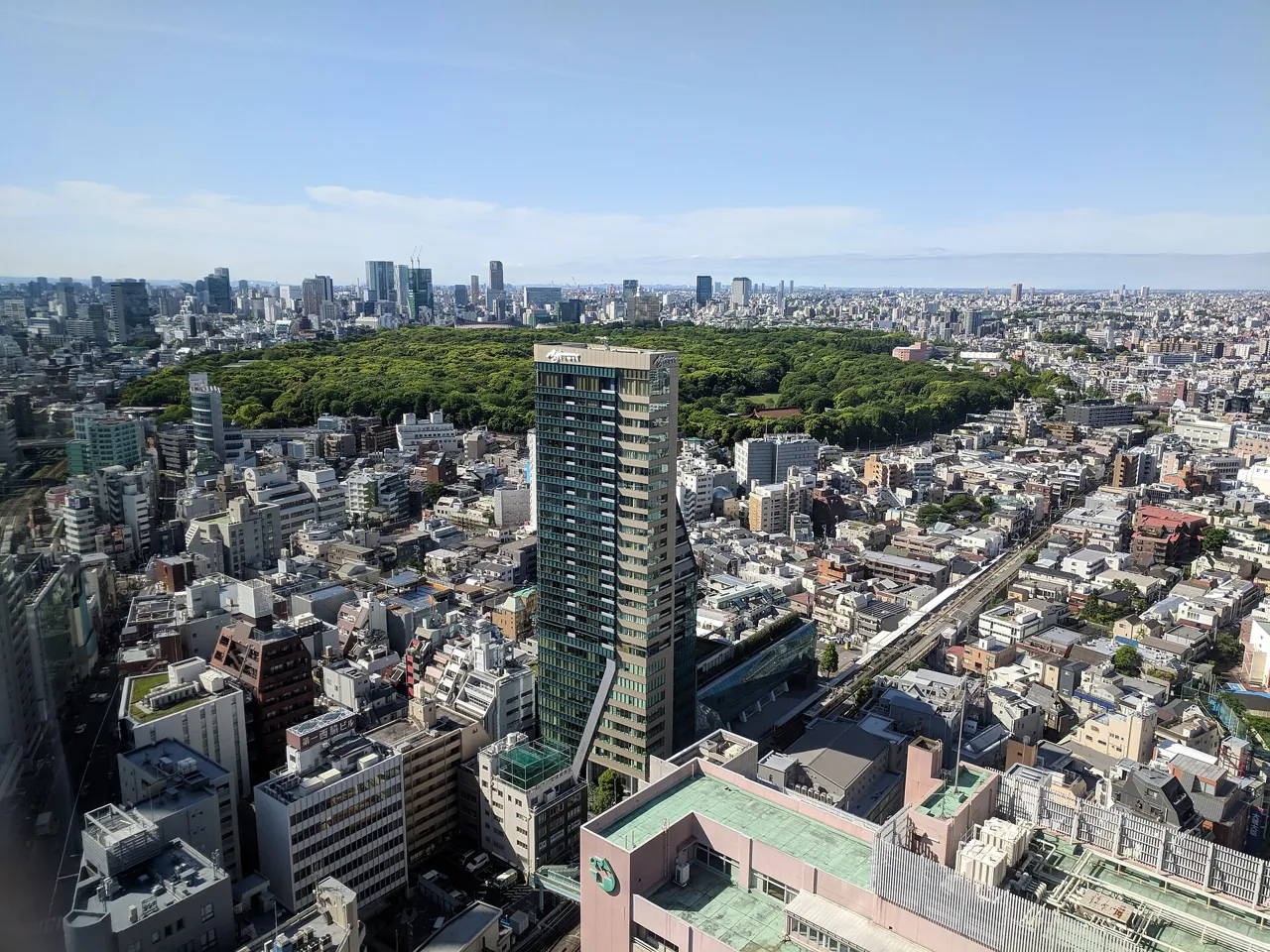
Odakyu Hotel Century Southern Tower — for the garden at breakfast. By the south exit of the station, every room is on an upper floor, and a see-through lift carries you up to a lobby where the station spreads out below you. The restaurant high in the tower looks east, south and west, and at breakfast, the hotel says, you look over the green of Shinjuku Gyoen and Yoyogi Park. This is how you get the garden before nine.
Hotel Gracery Shinjuku — for Godzilla. On the east side, in Kabukicho, Godzilla’s head looks over the hotel. There are Godzilla rooms, a Godzilla floor, and Godzilla View rooms which, the hotel says, have Godzilla right outside the window. The outdoor Godzilla terrace is closed for now, and only guests and lounge users can see the head up close. It is the one hotel on this page I would book purely for fun, and I mean that as praise.
If you want the bay and the fish market, stay in Odaiba or Toyosu
On the bay, the night view has water in it. At Odaiba Marine Park, a fountain show called Tokyo Aqua Symphony plays through the evening, set, as the city puts it, against Rainbow Bridge and Tokyo Tower.
Toyosu Market opens its visitor corridors before most of the city is awake, and the hotels nearby say the tuna auction starts at around half past five. It is closed on Sundays, public holidays and other market holidays, and the closer viewing deck is by lottery only, so check the calendar before you set the alarm. If you are going to get up that early in Tokyo, it helps to sleep a short ride away.
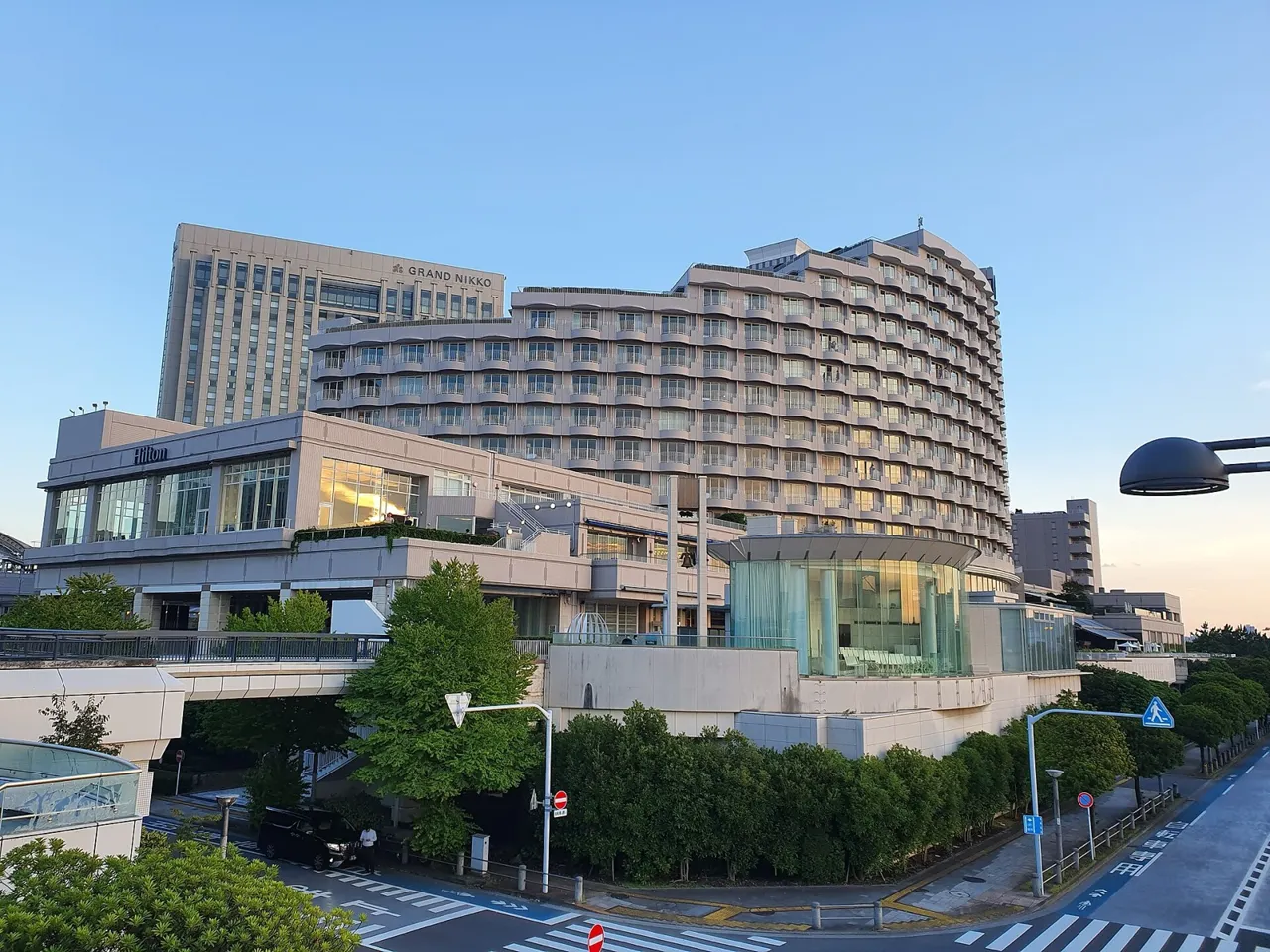
Hilton Tokyo Odaiba — for a balcony on the bay. Every one of its rooms has a private balcony, but what you see from it depends on the room type: some face the green of the seaside park and the piers toward Shinagawa, while others look across the bay to Rainbow Bridge and Tokyo Tower. Read the room descriptions, and choose the bridge side if the water at night is the point. The hotel describes the bay changing through the day, morning, noon, evening and night, and from a balcony you would see every one of those.
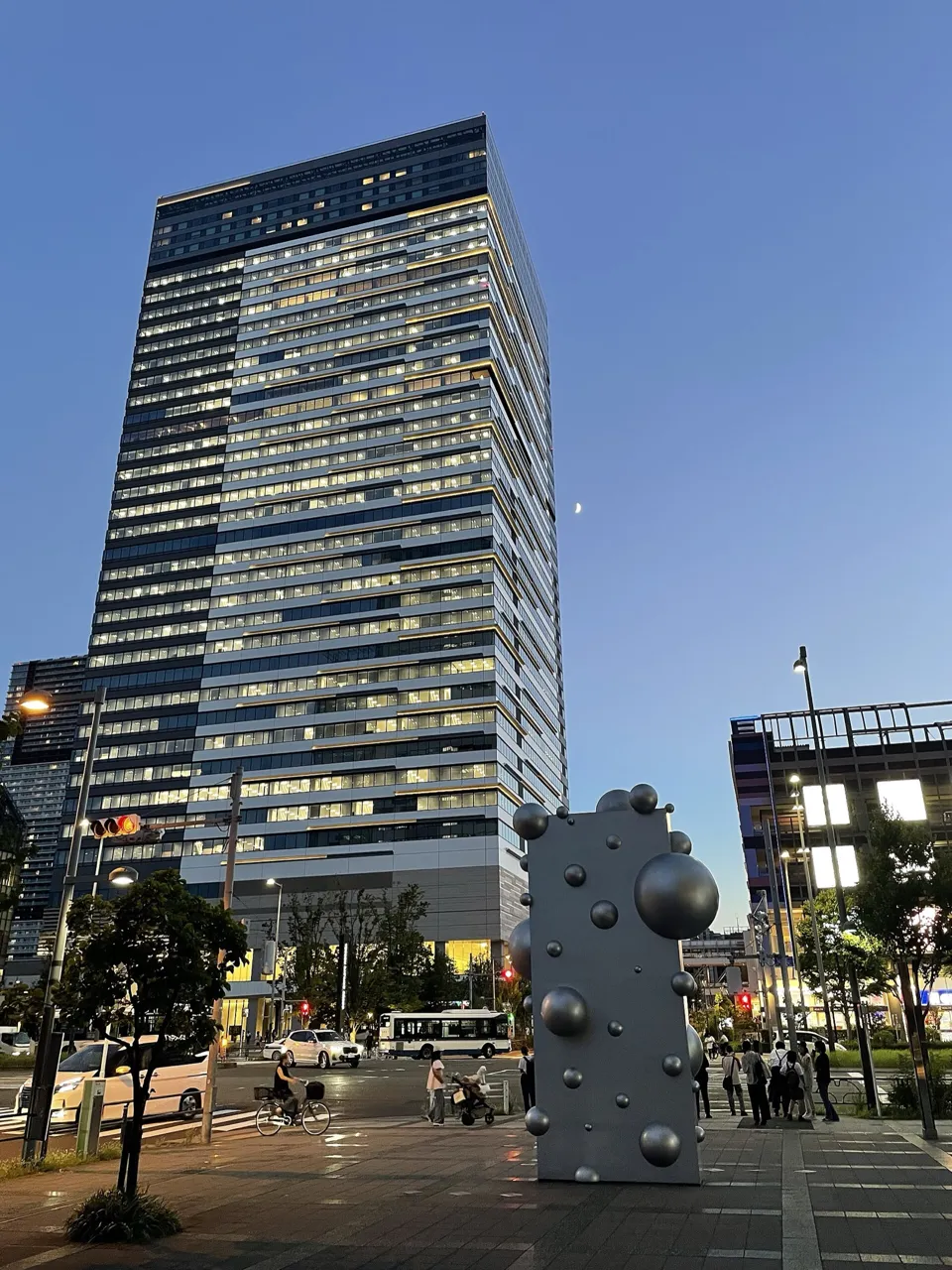
Mitsui Garden Hotel Toyosu Premier — for a bath in the sky. The hotel sits at the top of a tower by Toyosu Station, with its lobby, restaurant and baths 165 metres up. Its design, the hotel says, borrows from Toyosu’s shipbuilding past, a journey that starts underwater at the entrance and surfaces in the sky. Guests can use the large bath at the top in the early morning, and on a fine night the outdoor bath, it says, lets you look up at the sky with a sea breeze. Breakfast uses fish and vegetables sent straight from Toyosu Market. This is the hotel I would choose for the morning of the auction: the market first, then a bath and breakfast at the top.
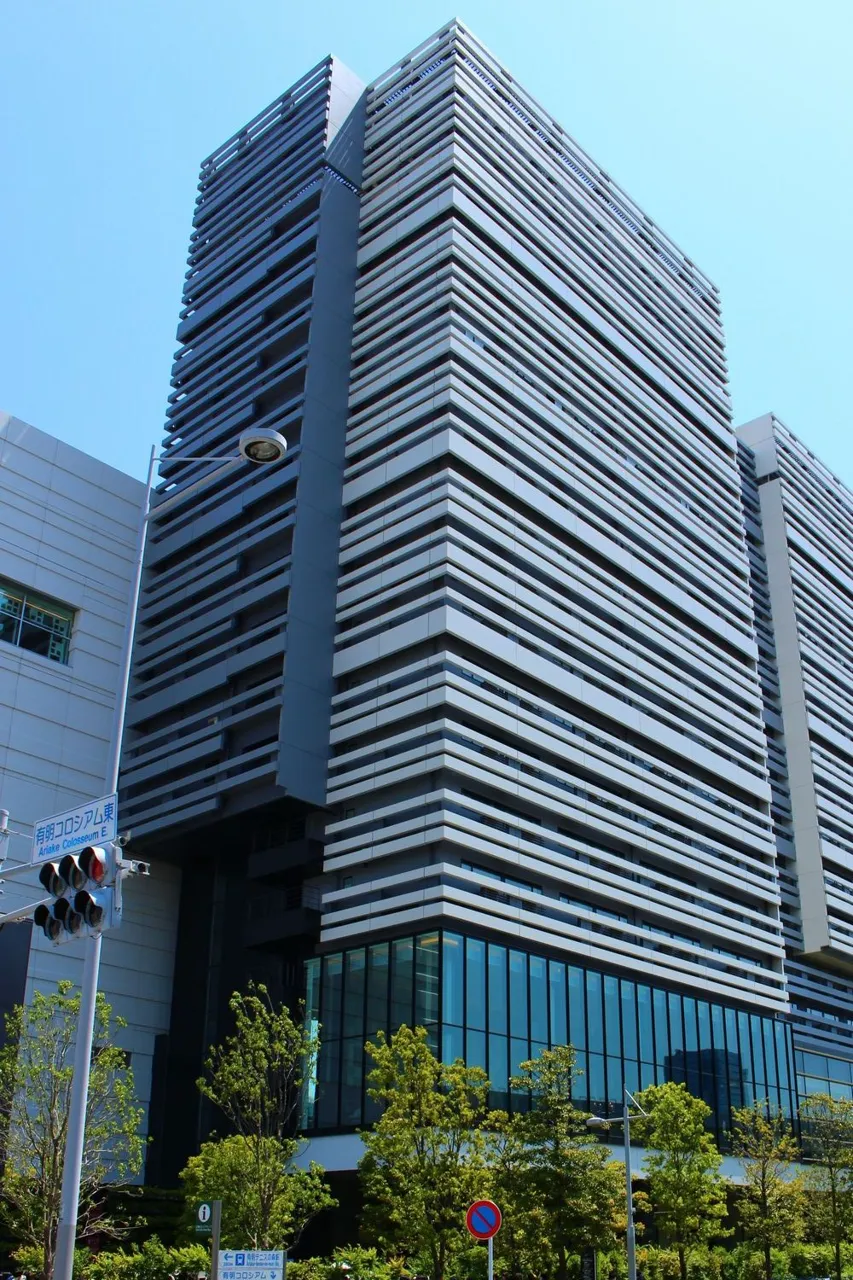
Hotel Villa Fontaine Grand Tokyo Ariake — for a hot spring after dinner. The hotel connects directly to Izumi Tenku no Yu, a large bathhouse with indoor and outdoor baths, hot-stone beds, saunas and natural hot-spring water in the open-air bath, heated and filtered, drawn from its own source. It was opened as a 24-hour bathhouse, with a cleaning break in the small hours, so you can bathe after a late dinner or before an early flight. The hotel also has private baths for its guests, one of them named Tasogare, dusk. After a day of walking Tokyo, a hot spring may matter more than any view.
Before you go
| Senso-ji | Lights every day from sunset to about 23:00: main hall, five-storey pagoda, Hozomon and Kaminarimon (since 2003). Main hall 6:00–17:00 (from 6:30, October to March). Bentenyama bell at 6:00 |
| Ryokan Asakusa Shigetsu | 1-31-11 Asakusa, Taito City. Asakusa Station (Ginza Line) Exit 1, 5 minutes’ walk. The inn has announced a seven-storey building going up to its north, due in autumn 2026, which may block the pagoda from some north-facing rooms; its 6th-floor baths are due to close for renovation from mid-January to early February 2027 |
| The Gate Hotel Kaminarimon by Hulic | 2-16-11 Kaminarimon, Taito City. Asakusa Station: Ginza Line Exit 2, 2 minutes; Toei Asakusa Line Exit A4, 3 minutes. Opened 2012. Lobby on the 13th floor; rooftop terrace and bar on the 14th, for guests only. Breakfast from 6:30 |
| Asakusa View Hotel | 3-17-1 Nishi-Asakusa, Taito City. Tawaramachi Station, 7 minutes; Asakusa Station, 10 minutes. Breakfast on the 26th floor, about 100 m up; bar on the 28th floor until 23:00 |
| Ueno Park and Kan’eiji | Ueno Park open 5:00–23:00. Kan’eiji time bell at 6:00, 12:00 and 18:00. Ueno Toshogu 9:00–16:30 (October to February), 9:00–17:30 (March to September). Friday and Saturday evening openings at some museums vary; check each museum |
| Hotel Crown Hills Ueno Premier | 2-16-1 Higashi-Ueno, Taito City (Ueno East Tower, 20th–24th floors). Tokyo Metro Ueno Station Exit 3, about 3 minutes; JR Ueno Station, about 5 minutes |
| Ryokan Sawanoya | 2-3-11 Yanaka, Taito City. Nezu Station (Chiyoda Line) Exit 1, 7 minutes. All rooms Japanese-style; most share the inn’s two baths. Breakfast 7:30–9:00 |
| Mitsui Garden Hotel Ueno | 3-19-7 Higashi-Ueno, Taito City. Tokyo Metro Ueno Station Exit 1, 1 minute; JR Ueno Station (Asakusa exit), 2 minutes. Panda floor: 20 panda rooms |
| Tokyo Station Hotel | 1-9-1 Marunouchi, Chiyoda City, inside the Marunouchi station building. Opened 1915; reopened 3 October 2012. Classic rooms on the station side have no view. Free guidance from the Shinkansen or Narita Express platform, booked in advance |
| Imperial Palace Outer Garden | Open at all hours, free, no closing days (access may be restricted for state events) |
| Palace Hotel Tokyo | 1-1-1 Marunouchi, Chiyoda City. Steps from Tokyo Station; directly connected underground to Otemachi Station. 266 rooms and 18 suites |
| Shangri-La Tokyo | Marunouchi Trust Tower Main, 1-8-3 Marunouchi, Chiyoda City. About 1 minute’s walk from Tokyo Station |
| Tsukiji Outer Market | 6:00–9:00 mainly for trade buyers; 9:00–14:00 regular sales, the hours the market recommends for visitors. On Sundays and holidays about a third of the shops open. Tsukiji Station (Hibiya Line) Exits 1 and 2, 1 minute |
| Ginza pedestrian zone | Chuo-dori, Ginza 1-chome to 8-chome, on Saturdays, Sundays and holidays: 12:00–17:00 (October to March), 12:00–18:00 (April to September) |
| Mitsui Garden Hotel Ginza Premier | 8-13-1 Ginza, Chuo City. Shimbashi Station (Ginza Line) Exit 1, 4 minutes; Higashi-Ginza Station Exit A1, 5 minutes. Lobby on the 16th floor |
| Imperial Hotel, Tokyo | 1-1-1 Uchisaiwaicho, Chiyoda City (Hibiya). Hibiya Station Exit A13, 3 minutes; Ginza Station Exit B2, 12 minutes. On this site since 1890; Wright building 1923, used for 44 years |
| Mitsui Garden Hotel Ginza Tsukiji | 4-7-1 Tsukiji, Chuo City. Higashi-Ginza Station Exit 6, 3 minutes; Tsukiji Station Exit 2, 4 minutes |
| Tokyo Tower lights | Winter orange from early October; summer white from 7 July. Every hour on the hour from sunset to midnight, two minutes of pure white sparkle (not on some special nights). Diamond Veil in the month’s colour on Mondays and Thursdays, 20:00–22:00. Lights can change without notice |
| The Prince Park Tower Tokyo | 4-8-1 Shibakoen, Minato City. Shibakoen Station (Mita Line), about 3 minutes; Hamamatsucho Station, about 12 minutes; free shuttle bus from Hamamatsucho (Daimon), no booking, may be full. Tower-view rooms by floor: Park Floors 3–18 (look up), Panoramic Floors 19–28, Premium Club Floors 29–32 (look down) |
| Tokyo Prince Hotel | 3-3-1 Shibakoen, Minato City. Onarimon Station (Mita Line), about 1 minute; Hamamatsucho Station, about 10 minutes. Opened 1964 |
| Shiba Park Hotel | 1-5-10 Shibakoen, Minato City. Onarimon Station, about 2 minutes; Daimon Station, about 4 minutes; Hamamatsucho Station, about 8 minutes. Opened 1948; about 2,000 books in the library lounge |
| Tokyo City View | Roppongi Hills Mori Tower, 52nd floor, 10:00–22:00 (last entry 21:30). Check the site for closing days |
| Hie Shrine | Gates open 6:00–17:00. Kokkai-gijidomae Station (Chiyoda Line), 5 minutes |
| The Ritz-Carlton, Tokyo | Tokyo Midtown, 9-7-1 Akasaka, Minato City; top nine floors of Midtown Tower, lobby on the 45th floor. Roppongi and Nogizaka Stations. Rooms on the 51st–53rd floors face the palace and the bay; on the 51st–52nd floors, Fuji and Shinjuku |
| The Capitol Hotel Tokyu | 2-10-3 Nagatacho, Chiyoda City. Directly connected to Tameike-Sanno Station and Kokkai-gijidomae Station, Exit 6. Opened autumn 2010 on the site of the Tokyo Hilton (1963–2006). Club lounge: guests 13 and over only after 17:00 |
| Hotel New Otani Tokyo | 4-1 Kioi-cho, Chiyoda City. Akasaka-mitsuke Station Exit D, 3 minutes; Nagatacho Station Exit 7, 3 minutes. Opened September 1964. Japanese garden open to all, 6:00–22:00 |
| Shibuya | Drinking outdoors is banned in public places around Shibuya Station, 18:00–5:00, all year. Meiji Shrine opens at sunrise and closes at sunset (October 5:40–16:40, November 6:10–16:10) |
| Shibuya Excel Hotel Tokyu | 1-12-2 Dogenzaka, Shibuya City. Inside Shibuya Mark City, connected to Shibuya Station. Crossing-view room types: Crossing view Superior Twin and Crossing view Excel Twin. The 25th floor is being rebuilt, with new restaurants due 30 November 2026; until then breakfast is on the 5th floor |
| Cerulean Tower Tokyu Hotel | 26-1 Sakuragaokacho, Shibuya City. Shibuya Station west exit, 5 minutes. Opened 2001 |
| TRUNK(HOTEL) Cat Street | 5-31 Jingumae, Shibuya City. Meiji-jingumae (Harajuku) Station Exit 7, 7 minutes; Shibuya Station Exit B1, 5 minutes |
| Shinjuku | Tokyo Metropolitan Government Building south observatory: 202 m, free, entry 9:30–21:30 (closed the first and third Tuesday of each month). Shinjuku Gyoen 9:00–16:30 from October to mid-March (last entry 16:00), closed Mondays (or the next weekday if Monday is a public holiday); alcohol may not be brought in |
| Keio Plaza Hotel | 2-2-1 Nishi-Shinjuku, Shinjuku City. Shinjuku Station west exit, 5 minutes; Tochomae Station, 1 minute. Opened June 1971. SKY PLAZA IBASHO on the 47th floor: night time 17:00–22:00; guests in rooms with access need no booking, visitors book a ticket in advance |
| Odakyu Hotel Century Southern Tower | 2-2-1 Yoyogi, Shibuya City. Shinjuku Station south exit, 3 minutes. Opened 1998. Rooms on the 22nd–35th floors; restaurant and lobby on the 20th |
| Hotel Gracery Shinjuku | 1-19-1 Kabukicho, Shinjuku City. JR Shinjuku Station east exit, 5 minutes; Seibu-Shinjuku Station, 3 minutes. Front desk on the 8th floor. Godzilla terrace closed at the time of writing; Godzilla head viewing for guests and lounge users only |
| Toyosu Market | Visitor corridors 5:00–17:00. Closed on Sundays, public holidays and market holidays. Viewing deck for the tuna auction by advance lottery |
| Hilton Tokyo Odaiba | 1-9-1 Daiba, Minato City. Directly connected to Daiba Station (Yurikamome). Limousine bus from Haneda, about 20 minutes. Opened 2015. Every room has a balcony; the view depends on the room type. Renovations under way in parts of the hotel |
| Mitsui Garden Hotel Toyosu Premier | 2-2-1 Toyosu, Koto City. Directly connected underground to Toyosu Station (Yurakucho Line). 33rd–36th floors, about 165 m up. Large bath on the 36th floor for guests: 6:00–9:00 and 15:00–1:00. Breakfast from 6:30. About 14 minutes to Toyosu Market on foot and by train |
| Hotel Villa Fontaine Grand Tokyo Ariake | 2-1-5 Ariake, Koto City. Connected to the Izumi Tenku no Yu bathhouse: natural hot spring in the open-air bath (heated, filtered); opened as a 24-hour bathhouse with a cleaning break in the small hours |
| From Haneda Airport | Keikyu lists about 37 minutes to Asakusa (Kaminarimon) and 26 minutes to Shibuya. The airport lists about 20 minutes to Hamamatsucho |
| Tokyo accommodation tax | Charged on the room rate per person per night. Now ¥100–200, none below ¥10,000. From 1 April 2027, 3%, none below ¥13,000 |
Checked 23 and 24 October 2026. We list no room rates. Hours and services change; check each official site before you go.
Where I would sleep
I would sleep in Asakusa, at the inn with the hinoki bath, for the pagoda turning dark from the water and the bell at six. For a second Tokyo, I would choose the Tokyo Station Hotel and walk to the palace gardens before breakfast. And if waking up to Tokyo Tower mattered more to me, I would book a low floor on the Tokyo Tower side by Shiba Park and look up at it through the trees.
See hotels in Tokyo on Expedia. That is an affiliate link: if you book through it, we earn a commission.
We have not stayed at any of the places on this page or visited the areas described for this guide. The facts here come from the official sources below, checked on 23 and 24 October 2026.
- Temples and shrines — Senso-ji (senso-ji.jp), Kan’eiji (kaneiji.jp), Ueno Toshogu (uenotoshogu.com), Zojoji (zojoji.or.jp), Hie Shrine (hiejinja.net), Meiji Jingu (meijijingu.or.jp)
- Parks, gardens and markets — Tokyo Metropolitan Government: Ueno Park (kensetsu.metro.tokyo.lg.jp), Tokyo Metropolitan Government Building observatories (zaimu.metro.tokyo.lg.jp), Toyosu Market (shijou.metro.tokyo.lg.jp), Odaiba Marine Park fountain (kouwan.metro.tokyo.lg.jp, tokyoaquasymphony.jp); Ministry of the Environment: Shinjuku Gyoen and the Imperial Palace Outer Garden (env.go.jp); Tsukiji Outer Market (tsukiji.or.jp); Ginza pedestrian zone (ginza.jp); Omoide Yokocho (shinjuku-omoide.com); Shibuya City (city.shibuya.tokyo.jp)
- Towers and observatories — Tokyo Tower (tokyotower.co.jp), Tokyo City View (tcv.roppongihills.com)
- Hotels — the official sites of each hotel and inn on this page: shigetsu.com, gate-hotel.jp, viewhotels.co.jp, breezbay-group.com, sawanoya.com, gardenhotels.co.jp, tokyostationhotel.jp, palacehoteltokyo.com, shangri-la.com, imperialhotel.co.jp, princehotels.co.jp, princehotels.com, shibaparkhotel.com, ritzcarlton.com, tokyuhotels.co.jp, newotani.co.jp, catstreet.trunk-hotel.com, keioplaza.co.jp, southerntower.co.jp, gracery.com, hiltonodaiba.jp, hvf.jp; and the operators’ press releases (Mitsui Fudosan, Sumitomo Realty & Development, Tokyu)
- Transport and tax — Keikyu (keikyu.co.jp), Haneda Airport (tokyo-haneda.com), Bureau of Taxation, Tokyo Metropolitan Government (tax.metro.tokyo.lg.jp)
- Photographs, all from Wikimedia Commons: Senso-ji from above at dusk by Prcmise (CC BY-SA 4.0); The building of The Gate Hotel Kaminarimon by J o (CC BY-SA 4.0); Asakusa View Hotel by Guilhem Vellut (CC BY 2.0); Ryokan Sawanoya in Yanaka by Starbacks (CC BY-SA 3.0); Mitsui Garden Hotel Ueno by Abasaa (Public domain); The Marunouchi side of Tokyo Station at night by Kakidai (CC BY-SA 4.0); Palace Hotel Tokyo from the palace side by Kakidai (CC BY 3.0); Chuo-dori in Ginza on a Saturday by Daniel Ramirez (CC BY 2.0); The Imperial Hotel by Kakidai (CC BY-SA 3.0); Tokyo Tower from Shiba Park by Tatsuo Yamashita (CC BY 2.0); The Prince Park Tower Tokyo with Tokyo Tower by Edomura no Tokuzo (CC BY-SA 4.0); Tokyo Prince Hotel with Tokyo Tower behind it by Kakidai (CC BY-SA 4.0); The entrance of the Shiba Park Hotel by IWAI, Masaharu (CC BY-SA 3.0); Hie Shrine in Akasaka by Luck-one (CC BY 2.5); The Capitol Hotel Tokyu’s tower beside Hie Shrine by Rs1421 (CC BY-SA 3.0); The Hotel New Otani Tokyo across its Japanese garden by Kakidai (CC BY-SA 4.0); The Shibuya crossing from Shibuya Stream by Syced (CC0); Cerulean Tower by Rs1421 (CC BY-SA 3.0); TRUNK(HOTEL) Cat Street by KENSINGTON PARK (CC BY-SA 4.0); Keio Plaza Hotel at dusk by Soramimi (CC BY-SA 4.0); The forest of Meiji Shrine from the Century Southern Tower by Grendelkhan (CC BY-SA 4.0); Hilton Tokyo Odaiba by Syced (CC0); Toyosu Bayside Cross Tower by Nori Norisa (CC BY 4.0); Hotel Villa Fontaine Grand Tokyo Ariake by Mizushimasea (CC BY-SA 4.0); The bath at Ryokan Asakusa Shigetsu by day by Maarten Heerlien (CC BY 2.0); The 13th-floor lobby of The Gate Hotel Kaminarimon by J o (CC BY-SA 4.0); A Dome Side room at the Tokyo Station Hotel by Asacyan (CC BY-SA 3.0); The lobby lounge of Palace Hotel Tokyo by Edomura no Tokuzo (CC BY-SA 3.0); A room at Mitsui Garden Hotel Ginza Premier by J o (CC BY-SA 4.0); The main lobby of the Imperial Hotel, Tokyo by Nesnad (CC BY 4.0); Tokyo Tower from a Panoramic Corner King room at The Prince Park Tower Tokyo by J o (CC BY-SA 4.0); Breakfast on the 45th floor of The Ritz-Carlton, Tokyo by MATSUYORI Itsumi (CC BY-SA 2.5); The lobby of The Capitol Hotel Tokyu by しんかわな (CC BY-SA 3.0); The waterfall in the New Otani’s garden at night by Kakidai (CC BY-SA 4.0); Shibuya from the 16th floor of Shibuya Excel Hotel Tokyu by Andrew Currie (CC BY 2.0); A Sky View Floor room at the Cerulean Tower Tokyu Hotel by J o (CC BY-SA 4.0); The restaurant at TRUNK(HOTEL) Cat Street by KENSINGTON PARK (CC BY-SA 4.0); Tokyo at sunset from the Keio Plaza Hotel by KimonBerlin (CC BY-SA 2.0). The hero image is an AI-generated photo illustration, not a photograph of any place to stay on this page.
Explore other areas
- Hokkaido — Sapporo
- Kanto — Hakone
- Hokuriku — Kanazawa
- Koshin-Tokai — Fuji Five Lakes
- Kansai — Nara
- Chugoku — Hiroshima
- Kyushu — Fukuoka
- Okinawa — Naha
