Fukuoka / Guide
Fukuoka's Yatai on a Sunday: Go to Tenjin, Where More Stalls Stay Lit
Yatai food stalls屋台
I had pictured Fukuoka’s yatai as an every-night thing, so it threw me that Sunday, often the last night of a weekend trip, is the night they most often take off. Of the stalls on the city tourism site that keep a fixed weekly day off, about two in three take Sunday. So if your night in Fukuoka falls on a Sunday, pass on the lit row along the river in Nakasu and walk to Tenjin instead, where more of the stalls listed as open on Sundays stand.
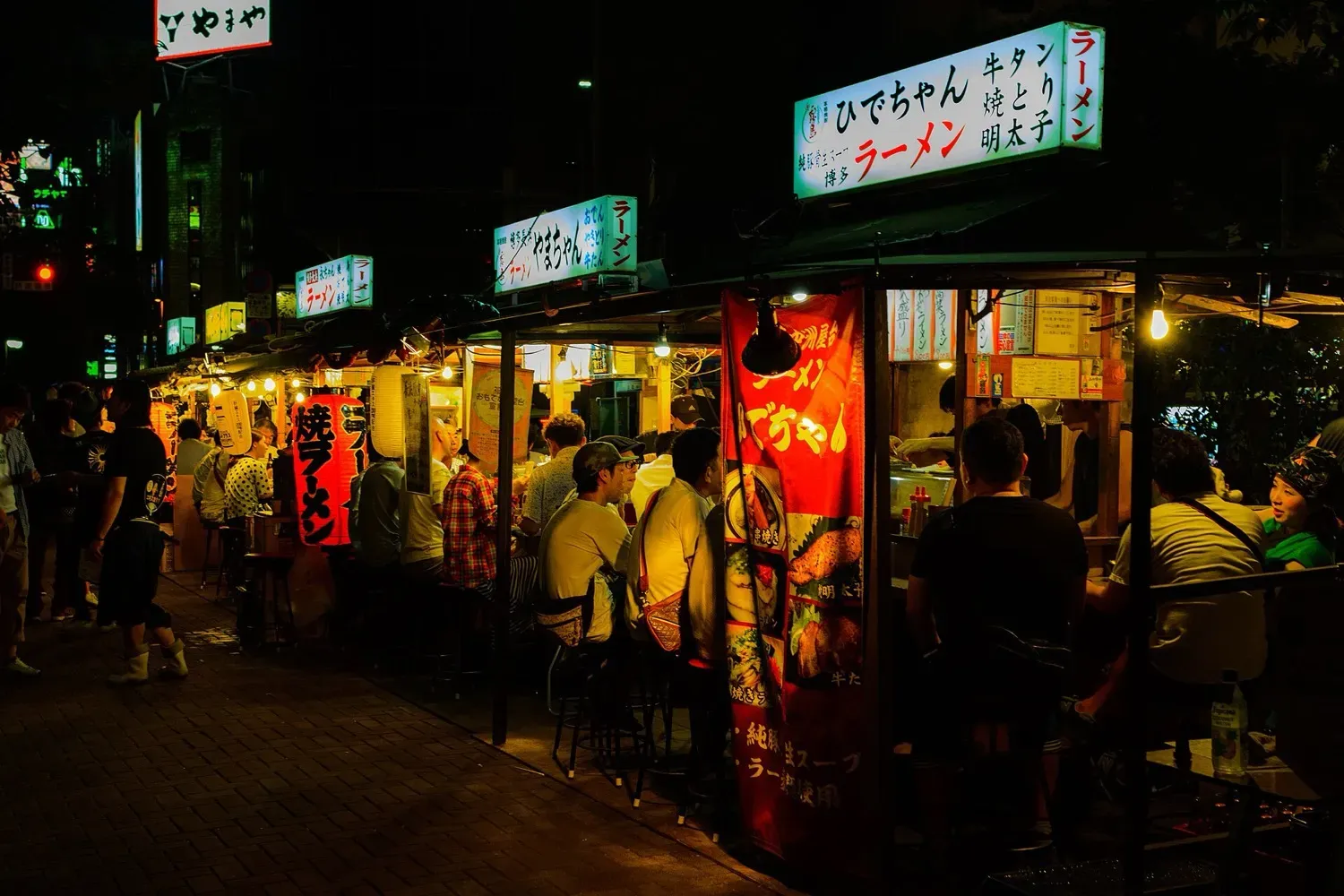
That riverside row in Nakasu is the yatai scene you may already have in mind: small stalls on the bank, each with a curtain, a counter and a few stools. On a Sunday it still has stalls, just not the full row, and on any night some stalls close without notice. In Tenjin, across the river, you have more curtains to choose from if the first one is dark.
How a yatai night works
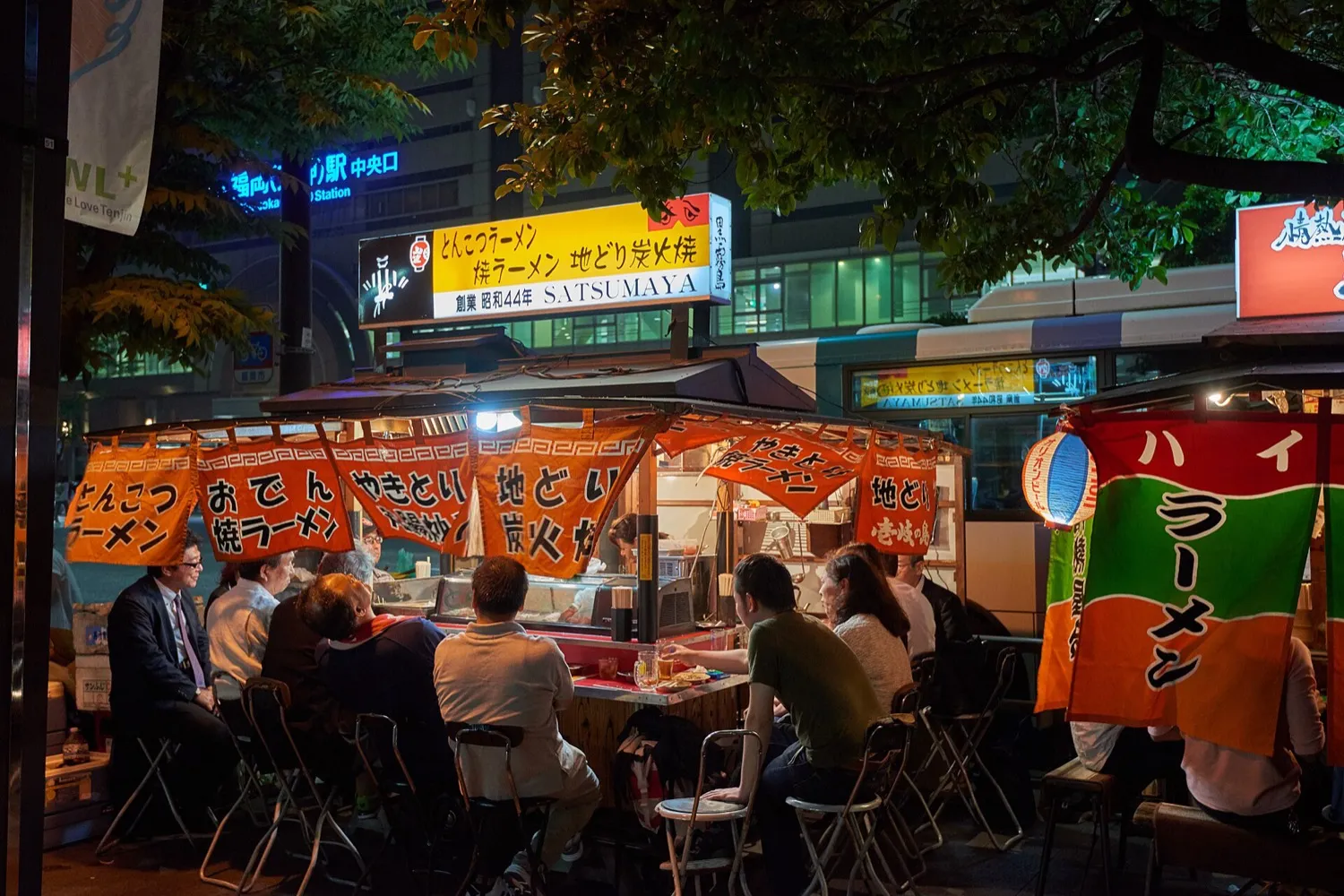
Think of a yatai as a counter that appears on the pavement each evening and is gone before dawn. You will usually find room for about ten people, and you cannot book most of them, so you join whoever is already there. If the stools are full, wait, or walk on to the next curtain.
Use a toilet before you sit down; the stalls have none. The city’s English pages say it is polite to order at least one drink and one dish each; on a counter this small, a stool is the whole business.
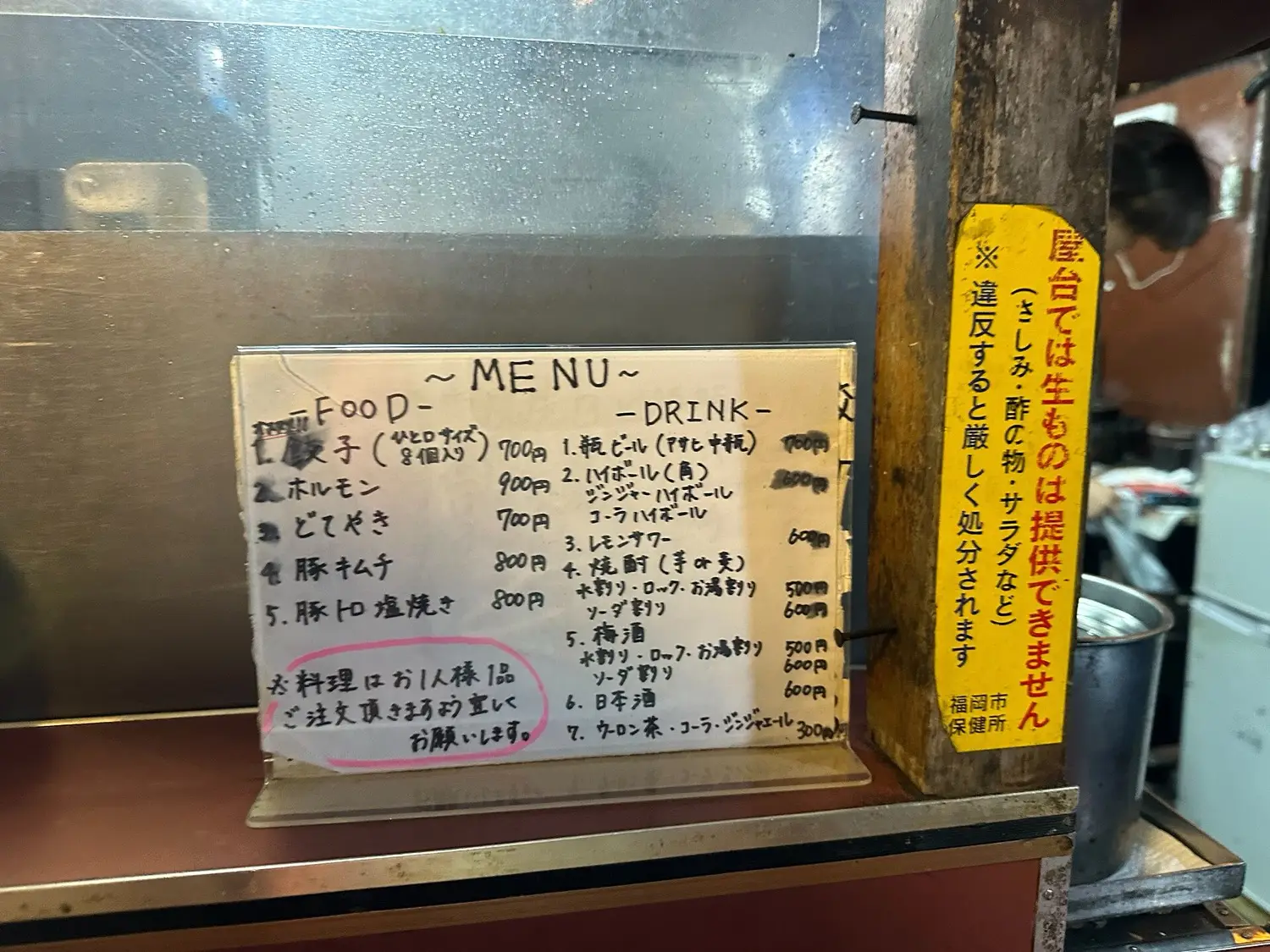
Bring cash. You will find some stalls that take cards or QR payments, but the city’s English page still describes most of them as cash only.
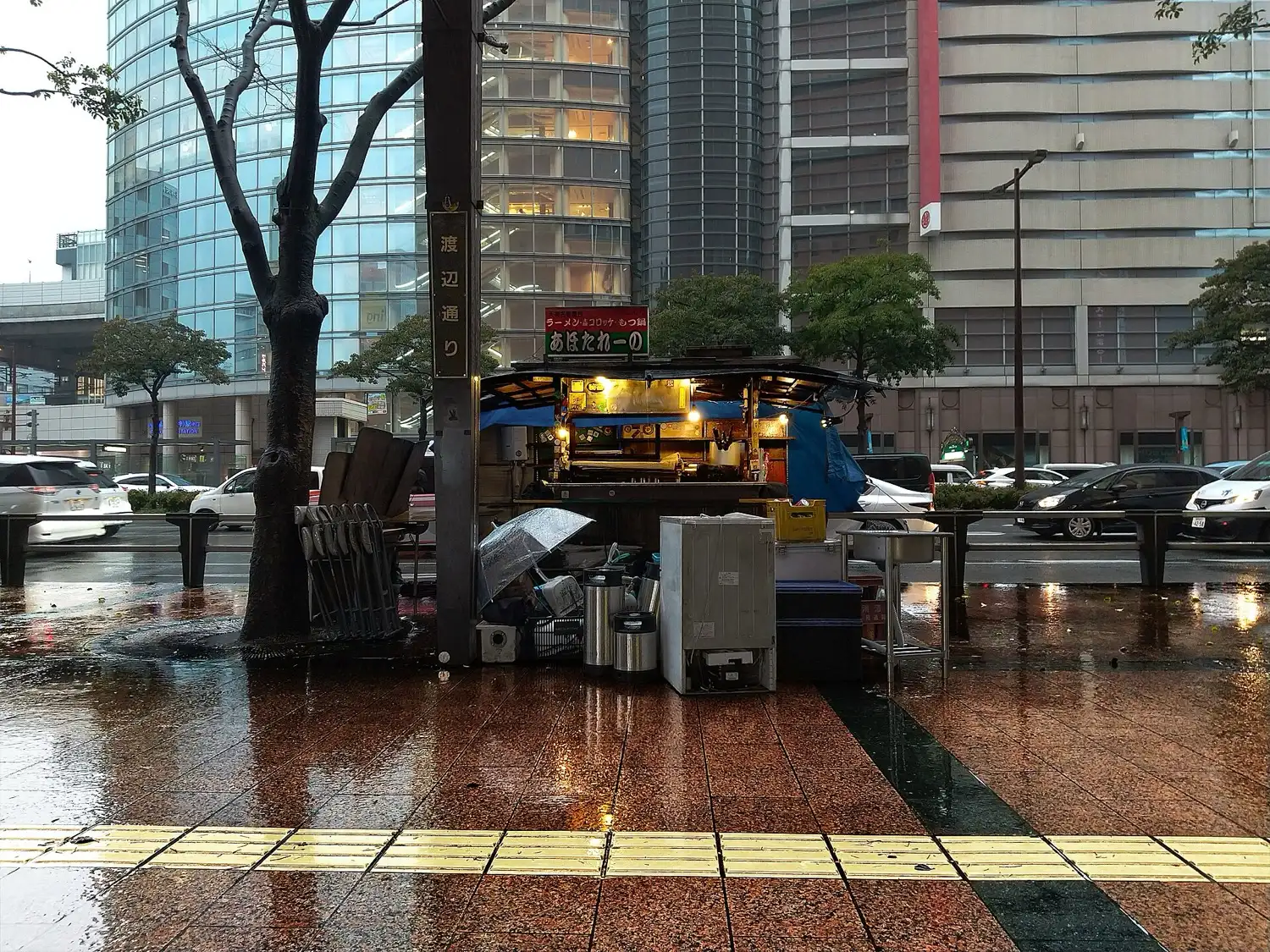
Watch the sky, too. Even on a night a stall normally opens, the tourism site warns that rain in the forecast or a strong wind can close it without notice. On a wet Sunday I would set my heart on a bowl rather than a particular stall.
Seven stalls that open on a Sunday
You can walk to all but one of these from the stations in Tenjin. The exception is in Nakasu, for when you want the river after all.
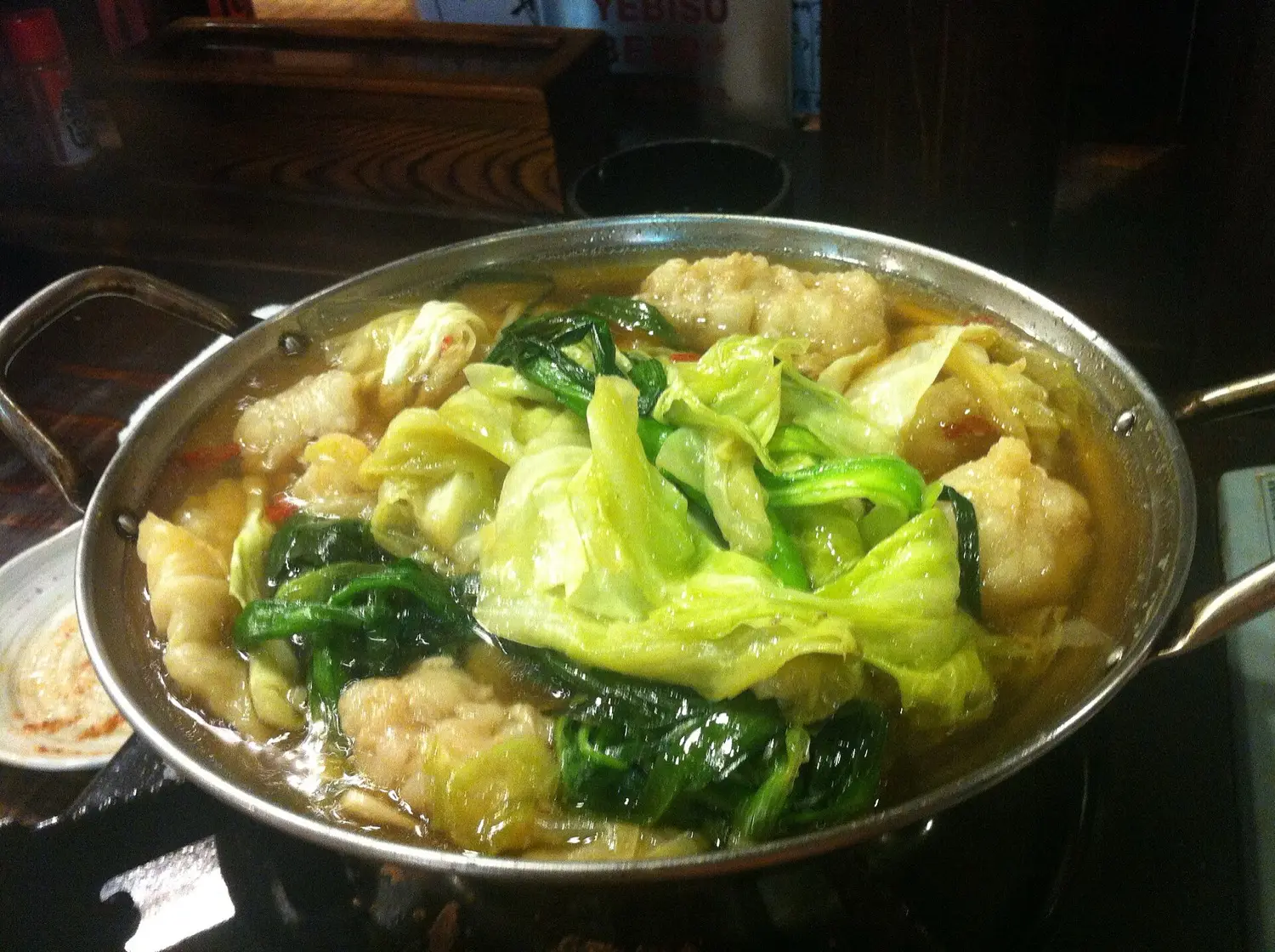
If you want a pot to share: Kawachan
Order the motsu nabe, an offal hot pot, and the omelet folded around mentaiko, the spicy cod roe Fukuoka is known for. Make Kawachan your first stop instead of your last, because Sunday is the one night it closes early, at midnight. Its page lists a menu in more than one language and staff who can serve you in a language other than Japanese.
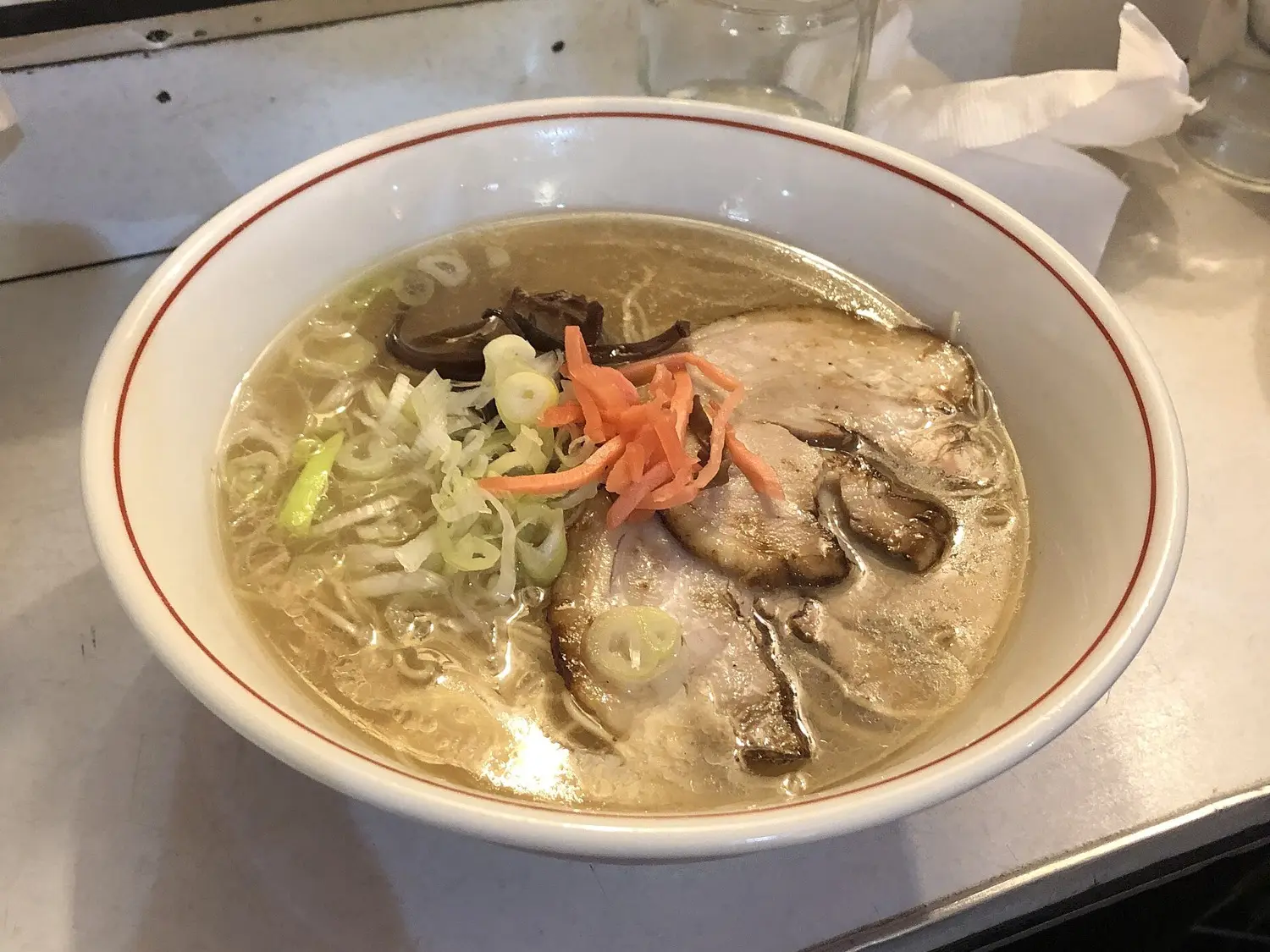
If you came for ramen: Barakamon
Ask for the house ramen, the bowl the stall itself calls its specialty: a pork-bone soup made with ago dashi, a stock of flying fish from Nagasaki, home to the Goto Islands the owner comes from. You can pay by card here, which is rarer than it should be. Barakamon rests on Monday and Thursday, so on a Sunday you are in luck.
If you want to talk to strangers: Shinkirou
Come for skewers, grilled seafood and pork trotters, which the menu calls “bihada” trotters, roughly “beautiful skin”, and finish with its ramen. What made me want a stool here is a line on its Japanese page: that a short English lesson over a drink with the visitor beside you is part of the fun. On that counter, the visitor is you.
If you want to spend on beef: Tomochan
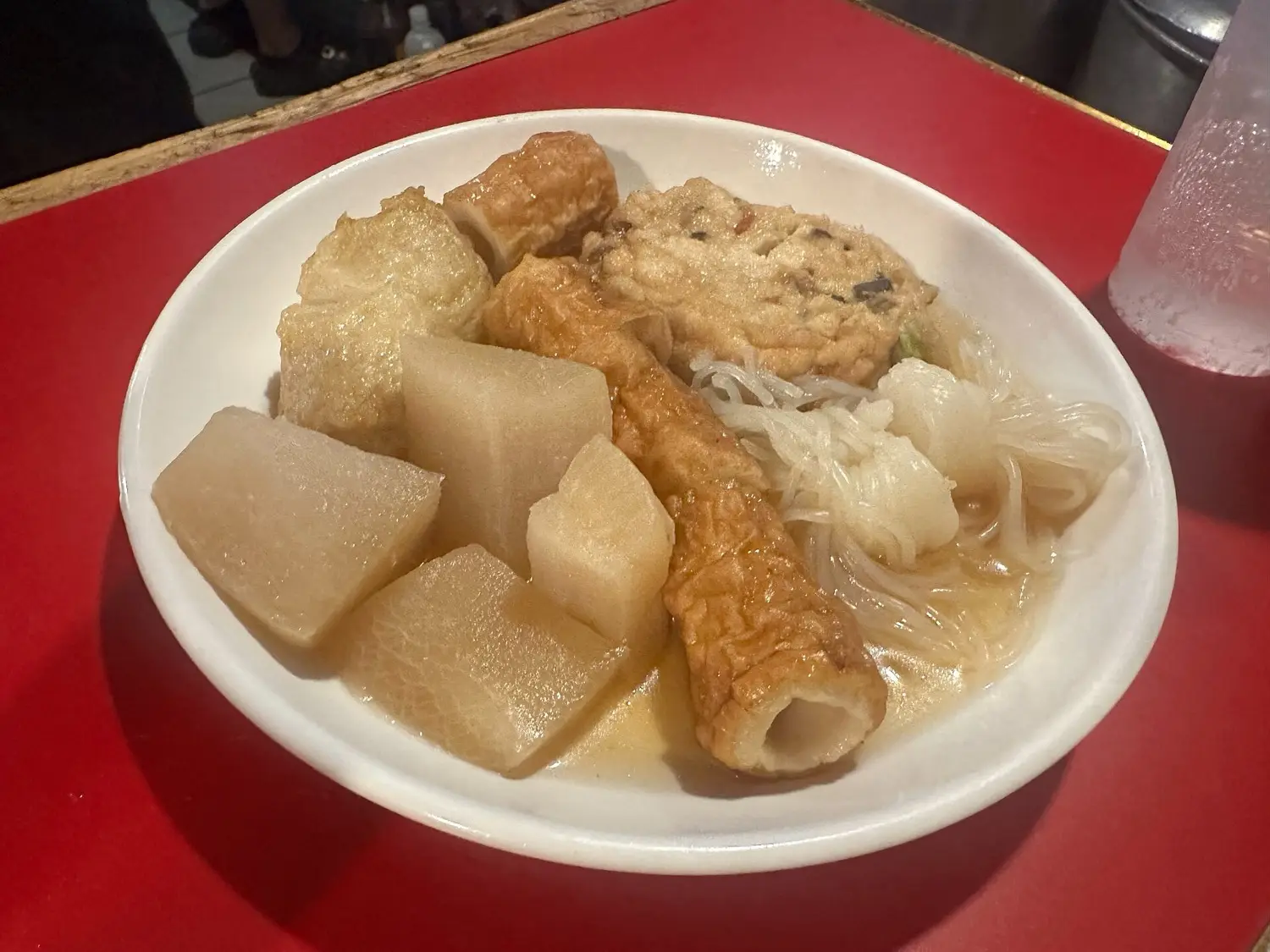
Picture ordering wagyu an arm’s length from the cook: Tomochan leads with tongue, sagari and ichibo steaks, and keeps a pot of oden it describes as slightly sweet for in between. Expect to spend more here than at the others, and come a little earlier than you would on a Saturday, because Sundays and holidays are its shorter nights.
If you have had enough ramen: Ahotare-no or Kisaichi
If you want a break from pork-bone soup, these two are the ones that caught my eye. Ahotare-no cooks tempura and dishes built on vegetables bought that day; its croquettes are a Saturday-only dish, so on a Sunday order the tempura. Kisaichi is gentler still, with oden in ago dashi, mountain yam cooked on the griddle and plain kake udon, and its page says a woman on her own will find it easy to walk into.
If you still want the river: Hidechan
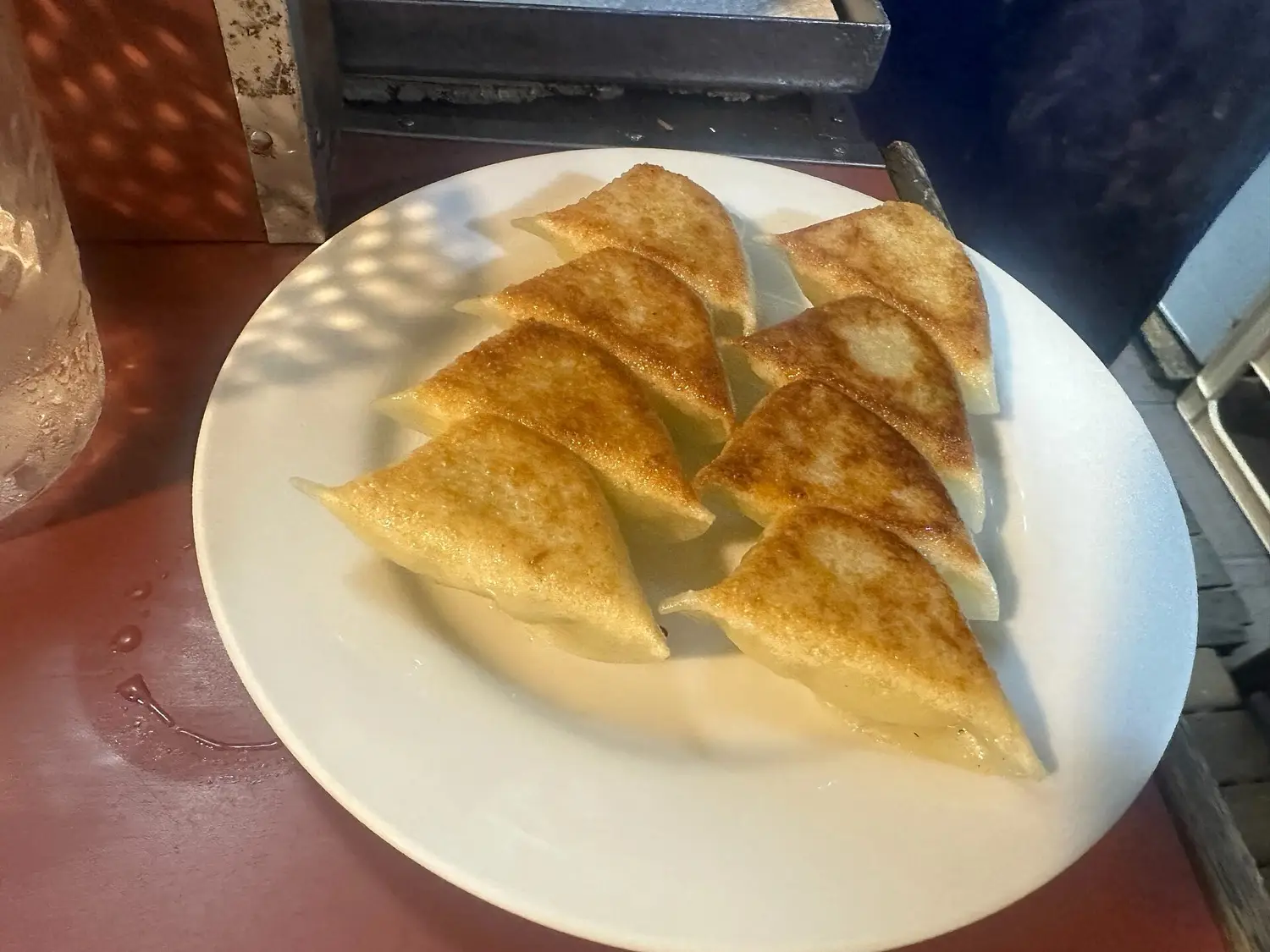
If the river is the point, go to Hidechan in Nakasu, which opens on Sunday and closes on Tuesday instead. Expect ramen, fried ramen and gyoza, and, as at Kawachan, a menu in more than one language.
Monday is the other half of the problem
If you are here on a Monday, you lose most of this list: six of these seven stalls list Monday as their day off. Keep Hidechan; it is the only one of the seven open that night.
Before you go
| Kawachan | Tue–Sat 19:00–2:00, Sun 19:00–24:00. Closed Monday. 2 minutes from Tenjin Station (Exit 6). Bring cash |
| Barakamon | 18:00–2:00. Closed Monday and Thursday. 1 minute from Tenjin Station (Exit 4). Cards accepted. Phone bookings taken |
| Shinkirou | Tue–Sun 18:00–3:00. Closed Monday. 1 minute from Nishitetsu Fukuoka (Tenjin) Station. No cards |
| Tomochan | Tue–Sat 19:00–2:30, Sun and holidays 19:00–2:00. Closed Monday. 8 minutes from Nishitetsu Fukuoka (Tenjin) Station. No cards |
| Ahotare-no | Tue–Sun 18:00–3:00. Closed Monday. 2 minutes from Nishitetsu Fukuoka (Tenjin) Station. No cards. Phone bookings taken |
| Kisaichi | Tue–Sun 18:30–1:00 (last order 0:30). Closed Monday. 1 minute from Tenjin Station. No cards |
| Hidechan | Mon and Wed–Sun 18:00–2:00. Closed Tuesday. 10 minutes from Nakasu-Kawabata Station (Exit 1). Bring cash |
| General guidance | Stalls may close unexpectedly for rain, strong wind or other reasons. No toilets. Most seat about ten people. Ordering at least one drink and one dish per person is considered polite |
Checked 10 October 2026. Hours after midnight are written as 1:00, 2:00 and so on, meaning the early hours of the next day. Yatai change their hours and close for the weather; if one stall matters to you, check its social media that afternoon.
What I would do
On a Sunday I would start at Kawachan before its early close, share the motsu nabe, and walk over to Barakamon for the ago dashi ramen to end the night. If rain was forecast, I would check the stalls’ social media that afternoon before heading out.
We have not visited Fukuoka’s yatai for this guide. The facts here come from the official sources below, checked on 10 October 2026.
- Yokanavi, Fukuoka City’s official tourism site — each stall’s location, hours, days off, nearest station, dishes, payment and languages; the count behind the Sunday figures (of the 98 stalls listed on 10 October 2026, about two in three of those with a fixed weekly day off name Sunday; of the 63 the site marks as open on Sundays, 35 are in Tenjin, out of 51 stalls there, and 20 in Nakasu, out of 35. The Sunday share uses each stall’s listed day off; the Tenjin and Nakasu figures use the days each stall is marked as open; three listings give conflicting days); how a yatai night works, seats, bookings, toilets, rain: yokanavi.com/spots/yatai, yokanavi.com/features/1
- Go Fukuoka (Fukuoka City’s English tourism site) — one drink and one dish per person, cash, toilets, weather: gofukuoka.jp/yatai-howto.html, gofukuoka.jp/yatai.html
- Photographs: the lead image of stalls in Nakasu, with Hidechan’s sign, by Yoshikazu TAKADA, July 2015 (CC BY 2.0); the Watanabe-dori stall at night by Thomas Au, 2015 (CC BY 2.0); the stall on a wet evening by Hirho, April 2026 (CC BY 4.0); the menu board, oden and gyoza at stalls in Nakasu by Nesnad, September 2024 (CC BY 4.0); motsu nabe by nesnad, 2014 (CC BY 3.0); Hakata ramen by Ominae, July 2019 (CC BY-SA 4.0, cropped). All from Wikimedia Commons.
More in Fukuoka
- Hakata Old Town (Kushida Shrine to Joten-ji) — For the Yamakasa float that stays up, and the walk to where the festival began
- Dazaifu Tenmangu — For the old main hall, now open for prayer at the front again
- Yanagawa canal boats — For an hour on the moats under low bridges, and steamed eel at the end
- Kurume ramen and yakitori — For the bowl said to have started tonkotsu ramen at lunch, then yakitori after dark
Explore other areas
- Hokkaido — Sapporo
- Kanto — Hakone
- Hokuriku — Kanazawa
- Koshin-Tokai — Fuji Five Lakes
- Kansai — Nara
- Chugoku — Hiroshima
- Kyushu — Fukuoka · You are here
- Okinawa — Naha
