Tokyo / Guide
Ghibli Museum: A Building to Get Lost In, and a Cat Bus for Children Only
Ghibli Museum, Mitaka三鷹の森ジブリ美術館
I went to the Ghibli Museum expecting something like a theme park and found a museum you walk through instead. The thing that stayed with me is the Cat Bus from My Neighbor Totoro, and only children 12 and under may climb into it. So if you bring a small child, give them time in that room. If you come without one, spend that time on the short film that is shown only in this building.
Tickets are not sold at the museum. Admission is booked ahead for a set day and hour, and tickets sold through Lawson Ticket go on sale on the 10th of the month before. If you already have a date in mind, check that day before anything else.
The Cat Bus, and who gets to ride it
The Cat Bus waits in a room on the second floor, with soot sprites scattered around it. It was meant to be life-size, as in the film, but a full-size bus would not have fitted in the museum, so it was made a little smaller. It reads like a room made for children who wanted to touch and ride the Cat Bus, with the bus shrunk to fit.
A ticket made of film
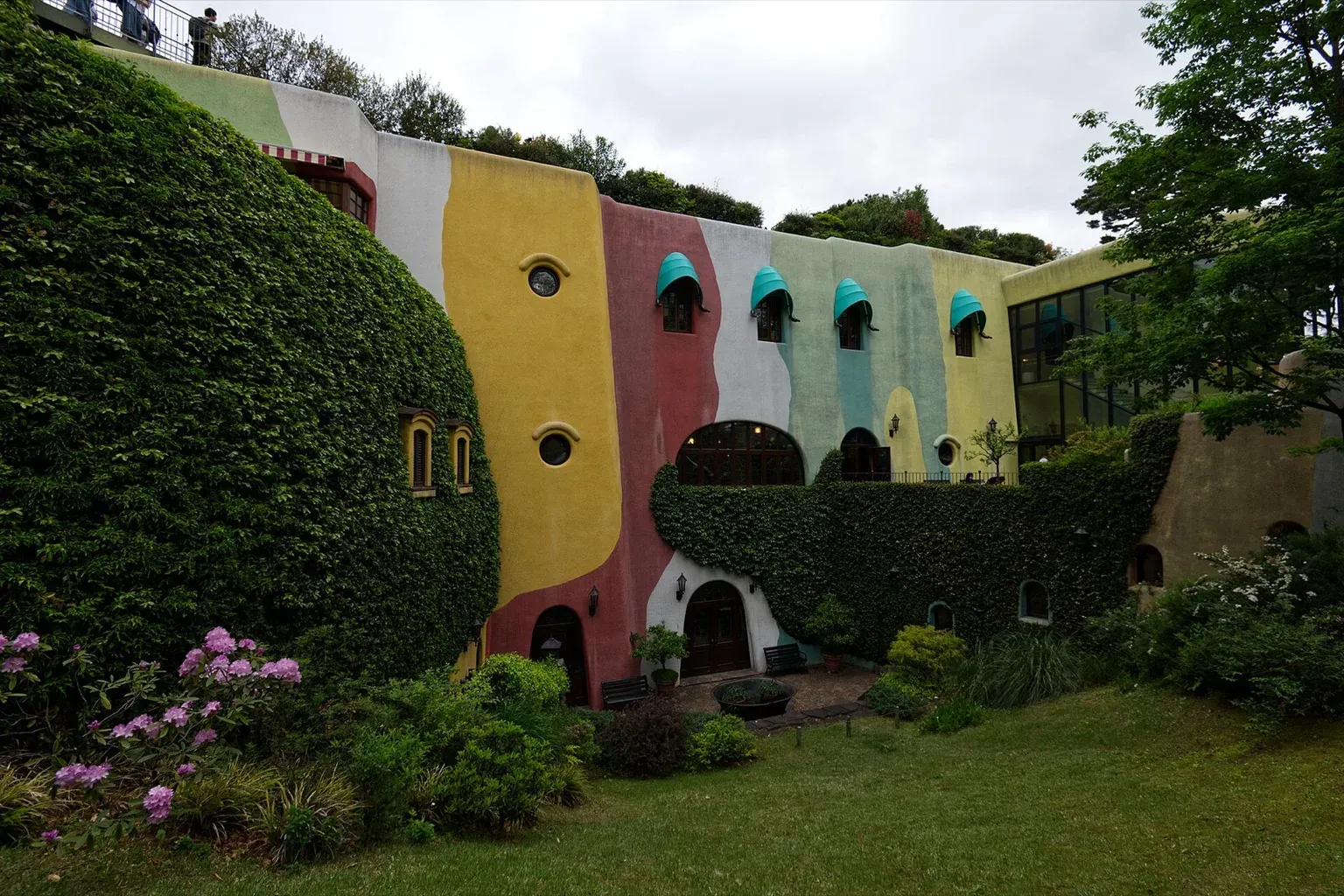
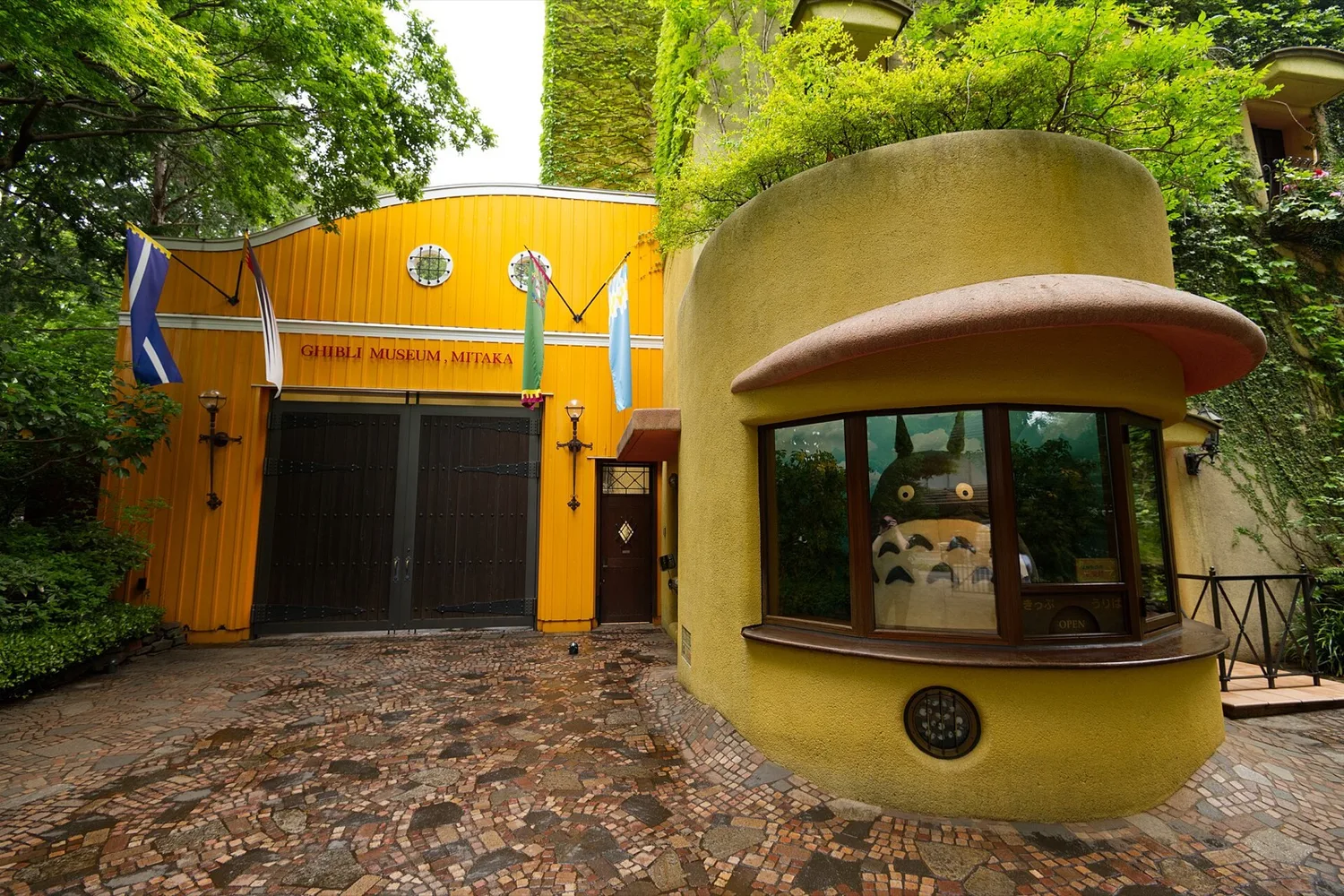
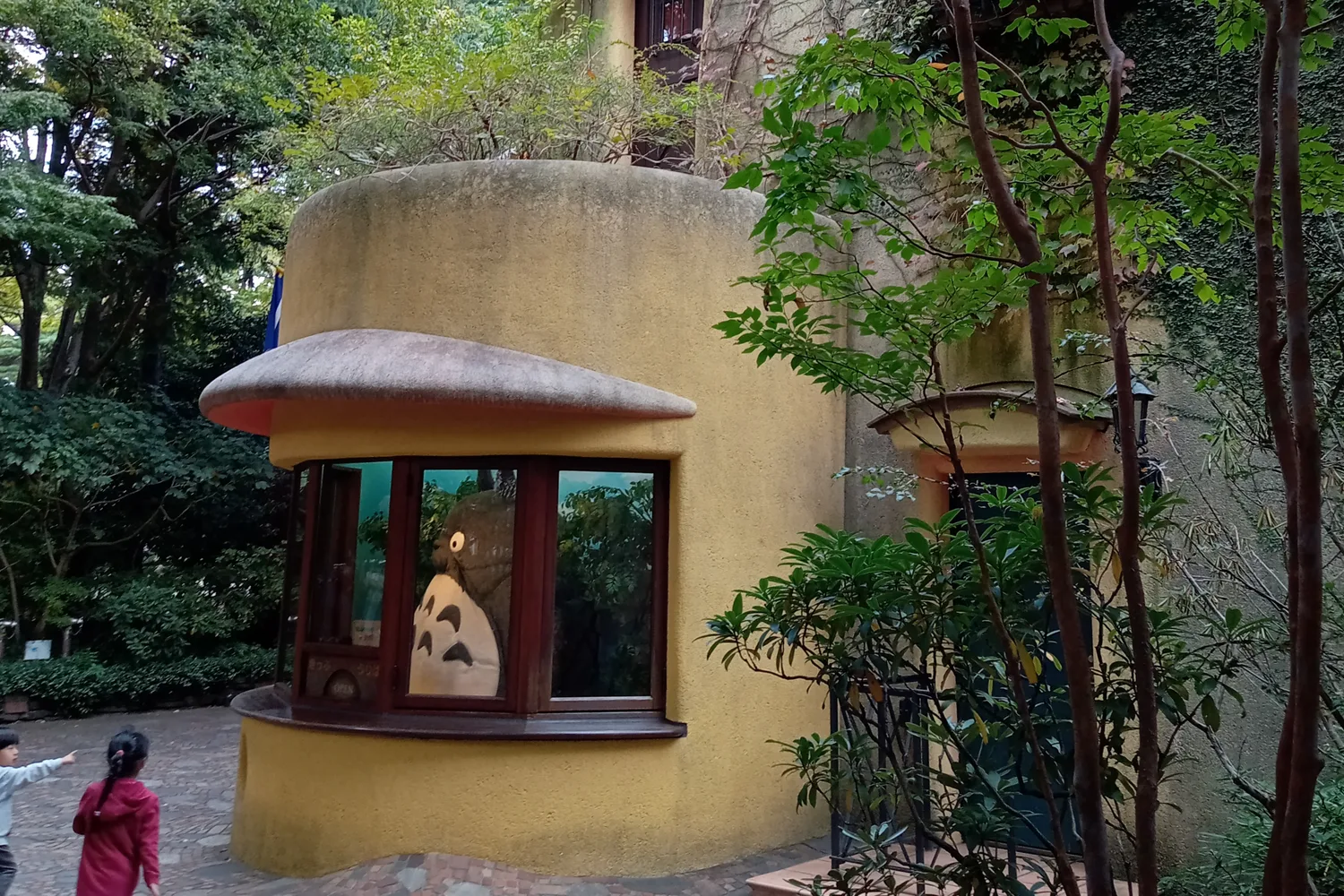
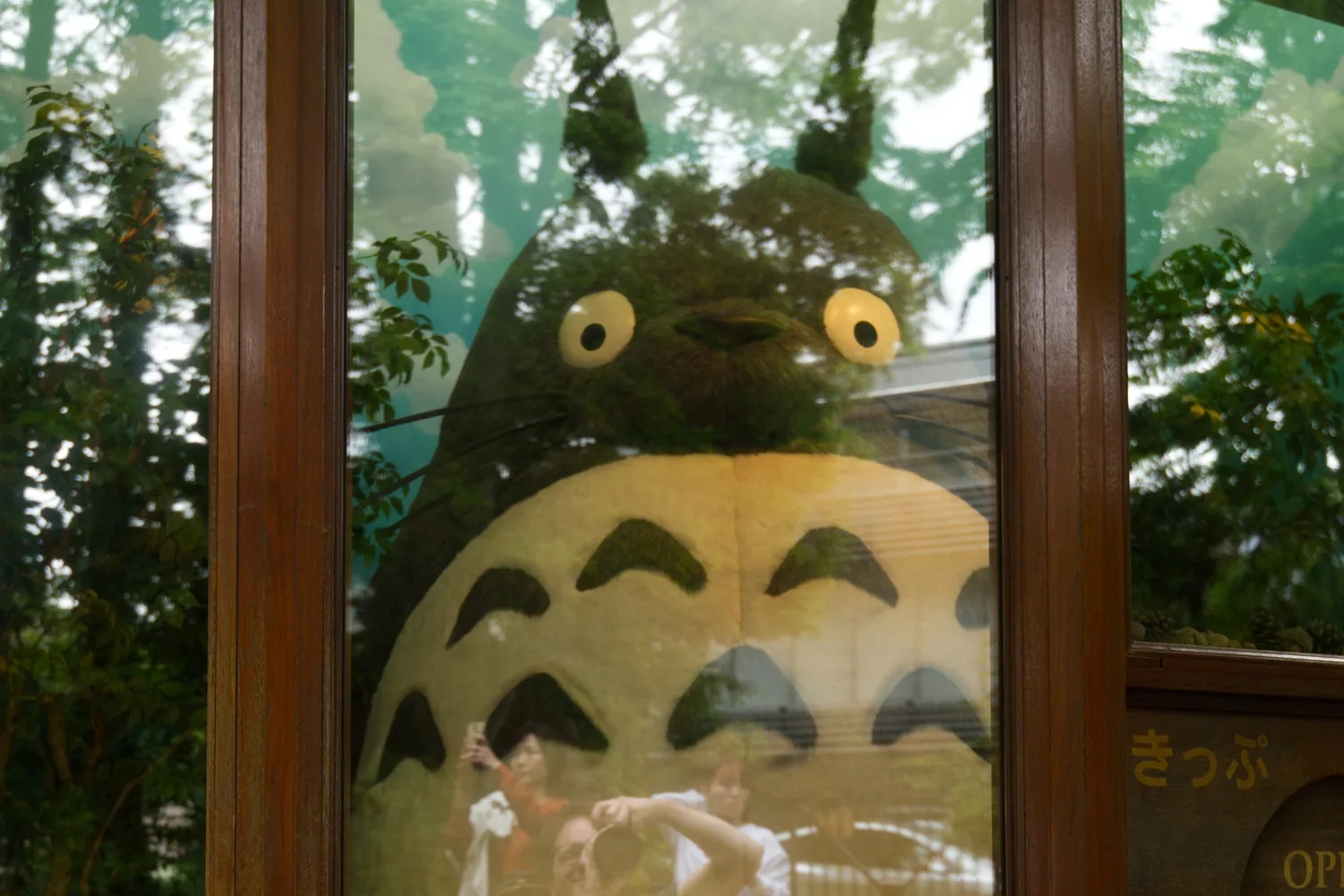
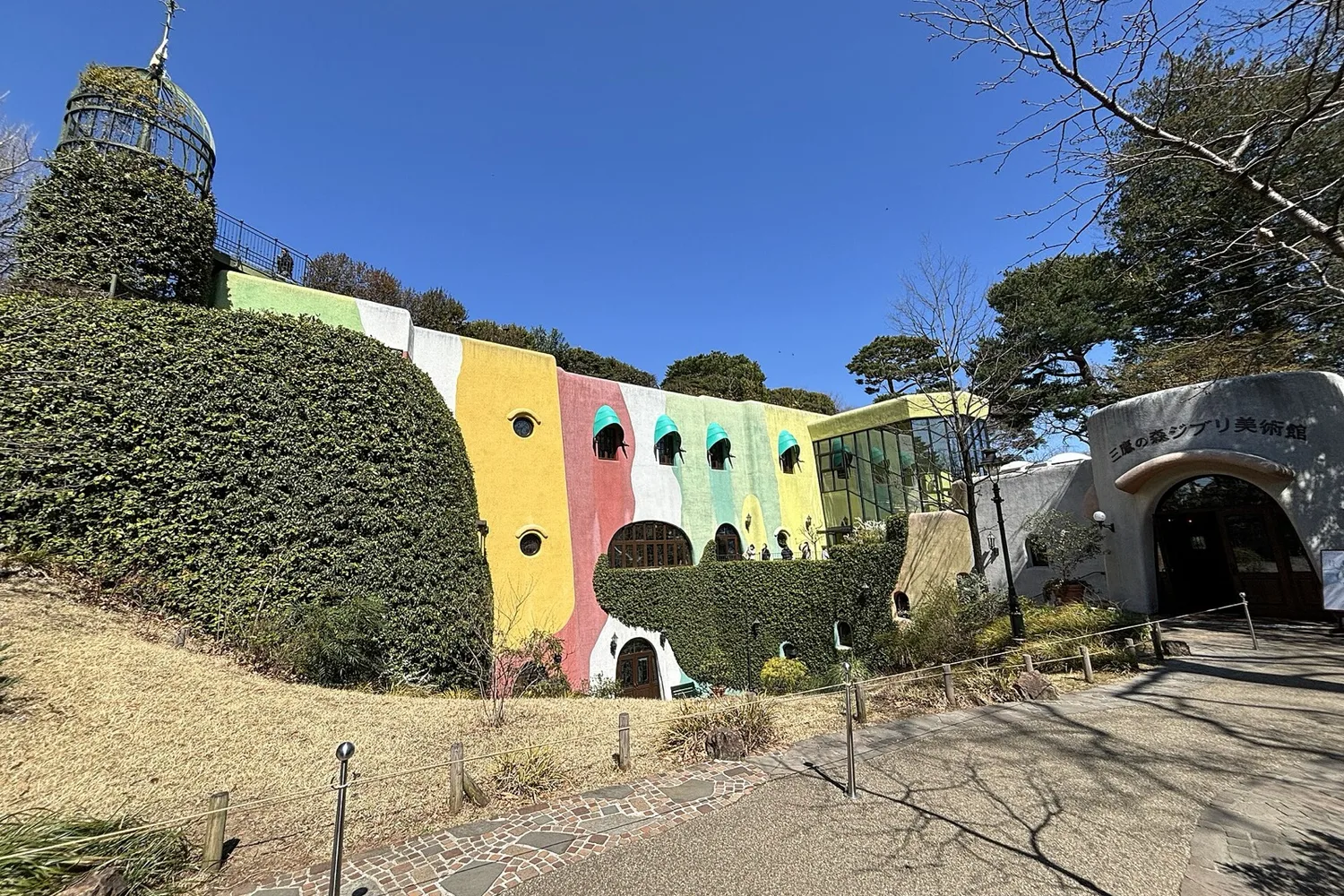
The first Totoro you meet sits behind a ticket window at the entrance, and it is a fake reception: he is there to point you to the real one. Past him, the building appears half-buried in the trees of Inokashira Park.
Inside, the entrance hall ceiling is painted with a smiling sun, fruit trees and characters flying across a blue sky. At the real counter, your booking becomes an entry ticket cut from 35mm film that was actually used in cinemas. You will not know which Ghibli scene you have until it is in your hand; hold it up to the light to see. Every child counts as an independent guest here, so even very small ones step up onto a platform at the counter and are handed their own strip of film.
No cameras, and a hall built like a maze
Photography and filming are not allowed inside. The museum calls itself the entrance to a story, and asks you to see it with your own eyes rather than through a camera, and to carry the memory home.
The central hall runs from the basement to the top floor in spiral stairs, narrow bridges and overhanging terraces, laid out like a maze, and you are invited to stop there and find your own secret favourite spots before going into the exhibition rooms. Watch the handrails, where marbles of coloured glass are set into the ironwork, and look up at the glass dome, where a yellow whale swims.
Off the hall is a run of small rooms called Where a Film is Born. One of them looks as if someone was sketching at the desk a few minutes ago: books and toys everywhere, drawings covering the walls, a model aeroplane and a pteranodon hanging from the ceiling. Walk through them all and you follow an animated film from the first flash of an idea to the finished work.
A film you can see only here
Down in the basement is the Saturn Theater, a small cinema of about 80 seats, showing short films Ghibli made for this room and screens nowhere else, and now and then an animation the museum recommends. Each visitor may watch once. When the film ends, the windows open and daylight comes in.
Without a child to take to the Cat Bus, I would make this the centre of the visit. The programme changes through the year, so check the films page and the opening calendar before you book.
Up the spiral stair to the roof
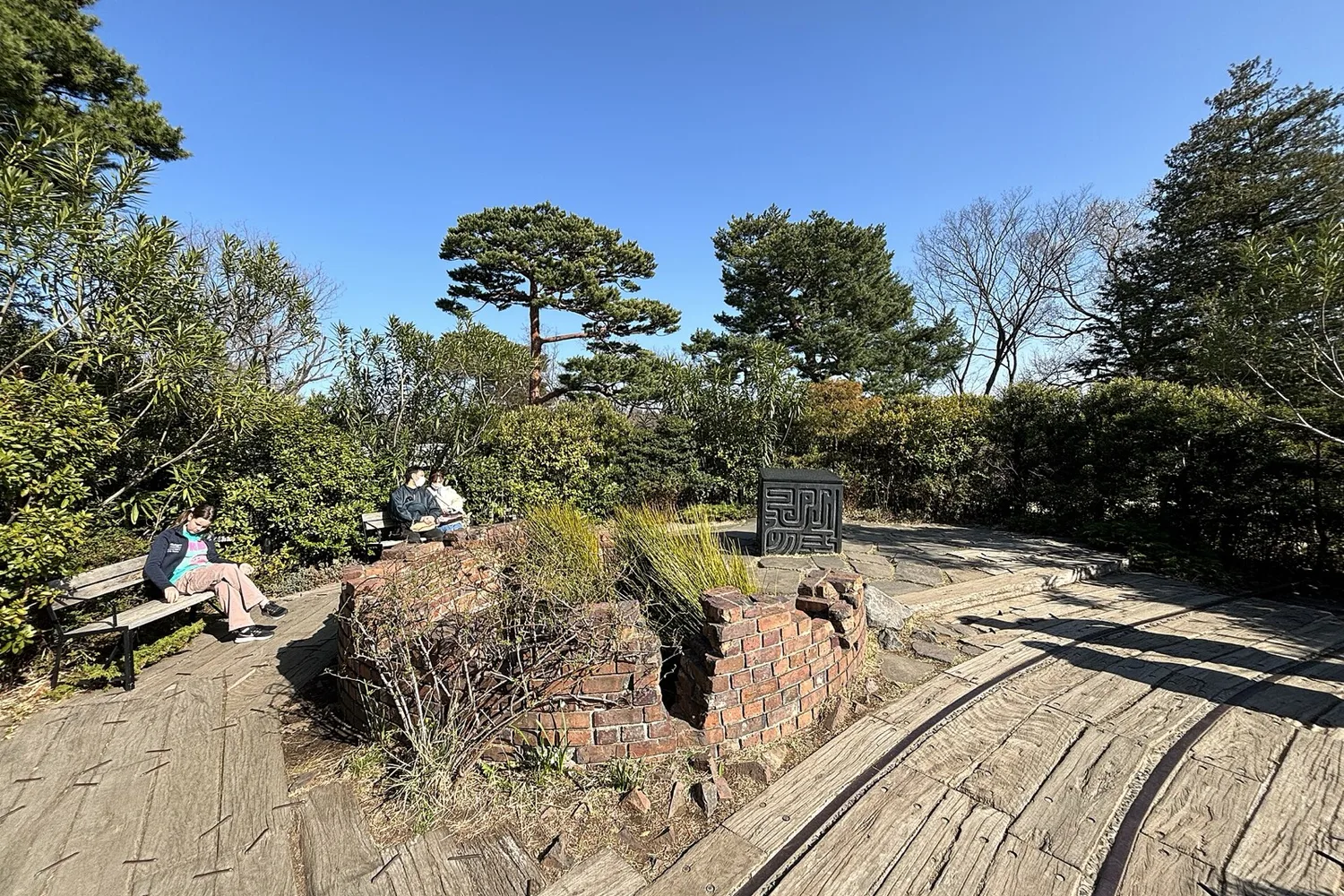
From the terrace by the Cat Bus room, a spiral stair climbs to a grassy rooftop garden, where a five-metre Robot Soldier from Castle in the Sky looks out over Inokashira Park as the museum’s guardian. Beyond it, the trees and plants grow so thickly that the roof seems to melt into the park. The roof can close in bad weather, so if the sky looks uncertain, go up first.
A hand pump on the way out
Between the museum and the café is a small courtyard of tiled roofs and flowers, with an old hand-pump well in the middle. Pump it hard and cool water comes up. Above it rises the café’s orange wall, and on the deck under its giant straw hat you can sit with the park’s trees around you and eat food made in the café’s own kitchen. If you came with children, this is a good place to finish.
Before you go
| Tickets | Advance reservation only, for a set date and entry time; not sold at the museum. Sold online by Lawson Ticket (English site available); from overseas, also through a special bus tour by Sunrise Tours (JTB). Tickets for the following month go on sale at 10:00 on the 10th of each month (Japan time). Entry times are on the hour from 10:00 to 16:00; enter within one hour of your time. There is no set exit time, but there is no re-entry. Tickets bought for resale are not valid. Official page: ghibli-museum.jp |
| Prices | Adults and university students 1,000 yen; high school and junior high 700 yen; primary school 400 yen; preschool children aged 4 and over 100 yen; under 4 free (no ticket needed). From November 2026 entries, a system fee of 110 yen per ticket is added. |
| Hours and closing days | 10:00–18:00. Usually closed on Tuesdays, with other closures that change each year (in November 2026: closed 4–18 November and 24 November, but open on Tuesday 3 November). Check the calendar on the official tickets page. |
| Inside | No photos or video inside the museum. The short film can be watched once per person. The Cat Bus is for children 12 and under. The roof may close in bad weather. No eating inside; food from the café is eaten in the café or on its deck. |
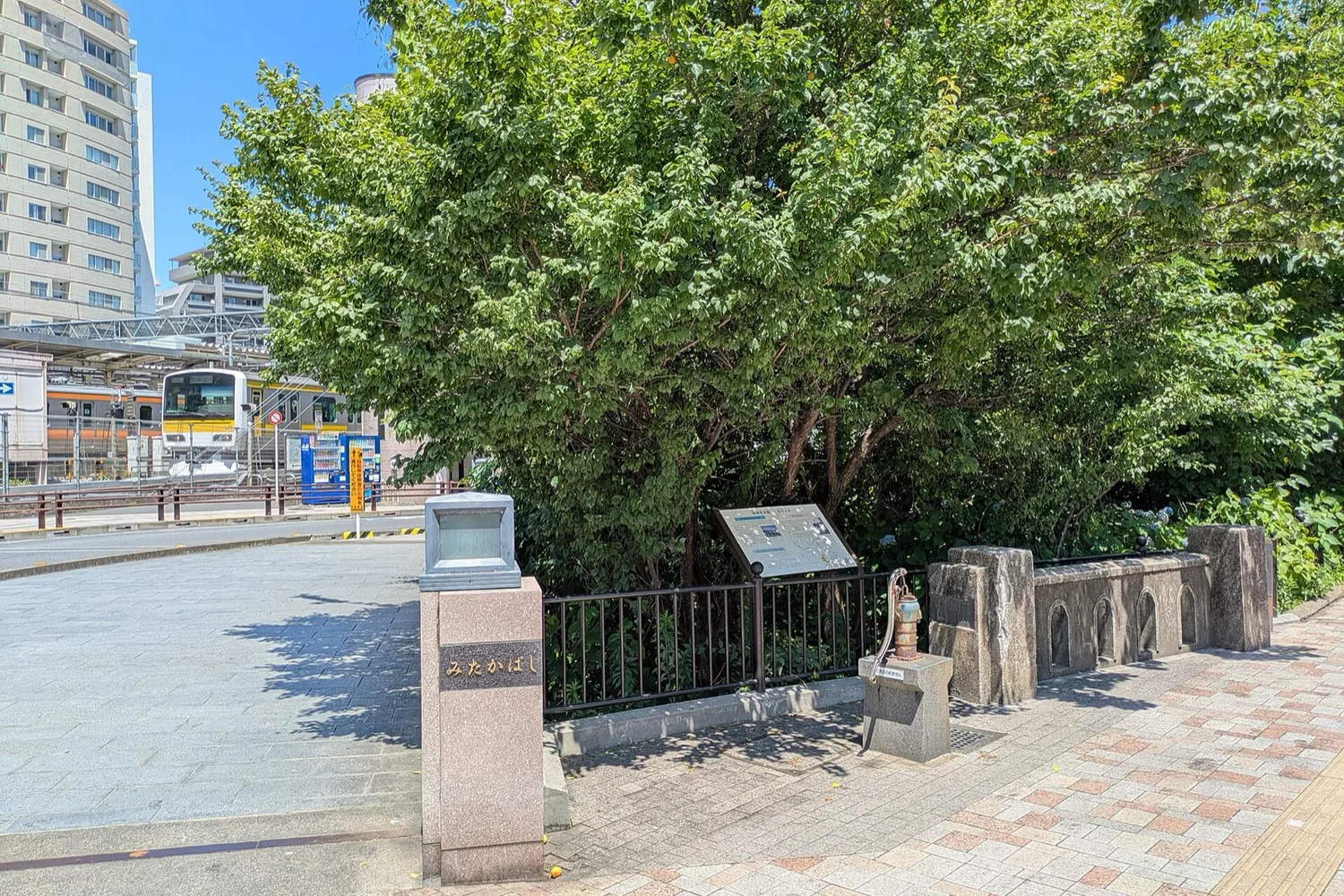
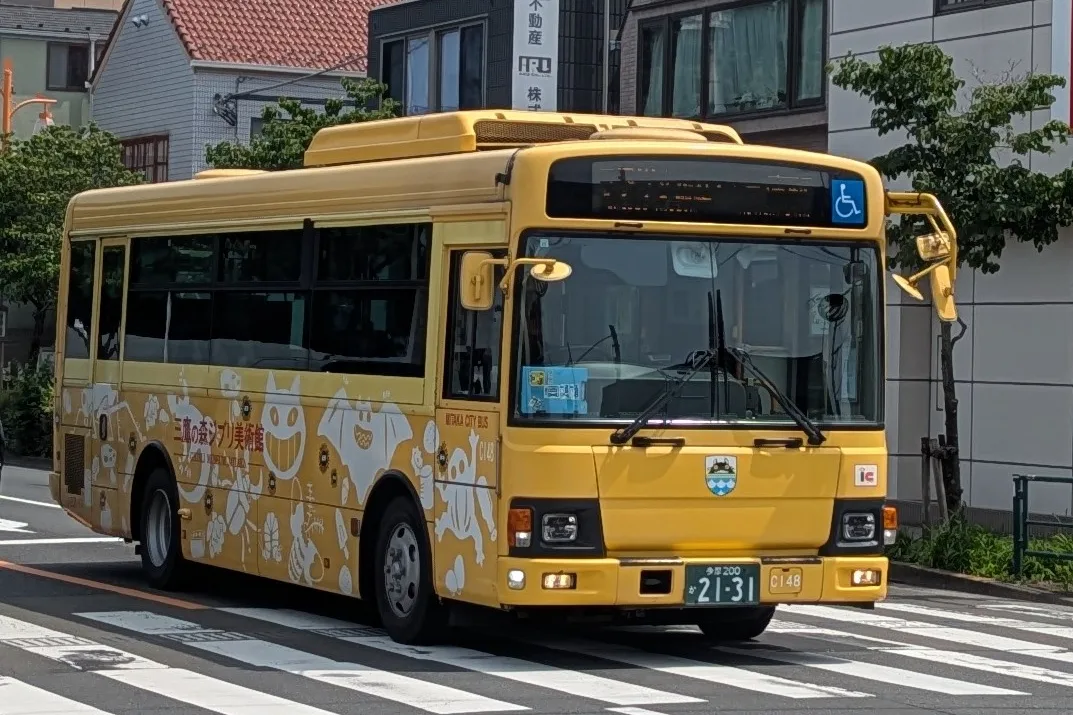
| Getting there | About 15 minutes’ walk from the south exit of JR Mitaka Station (JR Chuo Line), or a short ride on the community bus from the same exit (adult fare 230 yen). About 15 minutes’ walk from Kichijoji Station or Inokashira-koen Station. |
| Address | 1-1-83 Shimorenjaku, Mitaka-shi, Tokyo (東京都三鷹市下連雀1-1-83, inside the western part of Inokashira Park). Official website: ghibli-museum.jp |
What I would do
At the Ghibli Museum, I would book the day the month’s tickets open, keep the phone in my pocket, and hold the film ticket up to the light before getting lost in the building.
We have visited the Ghibli Museum. The practical information was checked against the official sources below on 28 October 2026.
- Ghibli Museum, Mitaka (Japanese and English) — tickets, prices, opening calendar, the ticket system from November 2026, rules inside the museum, the rooms and the films, and directions: ghibli-museum.jp
- Photographs: the museum walls (the lead image), the gate and Totoro at the fake reception by Maarten Heerlien (CC BY 2.0, cropped); the fake reception and the tower among the trees by 経済特区 (CC BY-SA 4.0, cropped); the rooftop garden and the walls and tower by Fotointheworld (CC BY 4.0, cropped); the Tamagawa Aqueduct at Mitaka Station by Mikagekawase (CC BY 4.0, cropped); the community bus by Suikotei (CC BY 4.0, cropped); all via Wikimedia Commons. No photographs were taken inside the museum.
More in Tokyo
- Shibuya Crossing and Shibuya Sky — For the crossing seen from an open roof, with little more than your phone in your pocket
- Senso-ji and Asakusa — For the dragon carved under the Kaminarimon lantern, and the lit grounds after five
- Harajuku and Meiji Shrine — For a forest planted with broad-leaved trees instead of cedar, then a crepe on Takeshita Street
- Tokyo Skytree and Tokyo Tower — For one tower to look out from and one to look at, up its outdoor stairs
- Akihabara — For starting in Radio Kaikan, where figures share the building with vacuum tubes
- Where to Stay — For choosing where to sleep by what you want to see after dinner and before breakfast
Explore other areas
- Hokkaido — Sapporo
- Kanto — Hakone, Tokyo · You are here
- Hokuriku — Kanazawa
- Koshin-Tokai — Fuji Five Lakes
- Kansai — Nara
- Chugoku — Hiroshima
- Kyushu — Fukuoka
- Okinawa — Naha
